
Custom Storage Cabinets: From Design to Mass Production
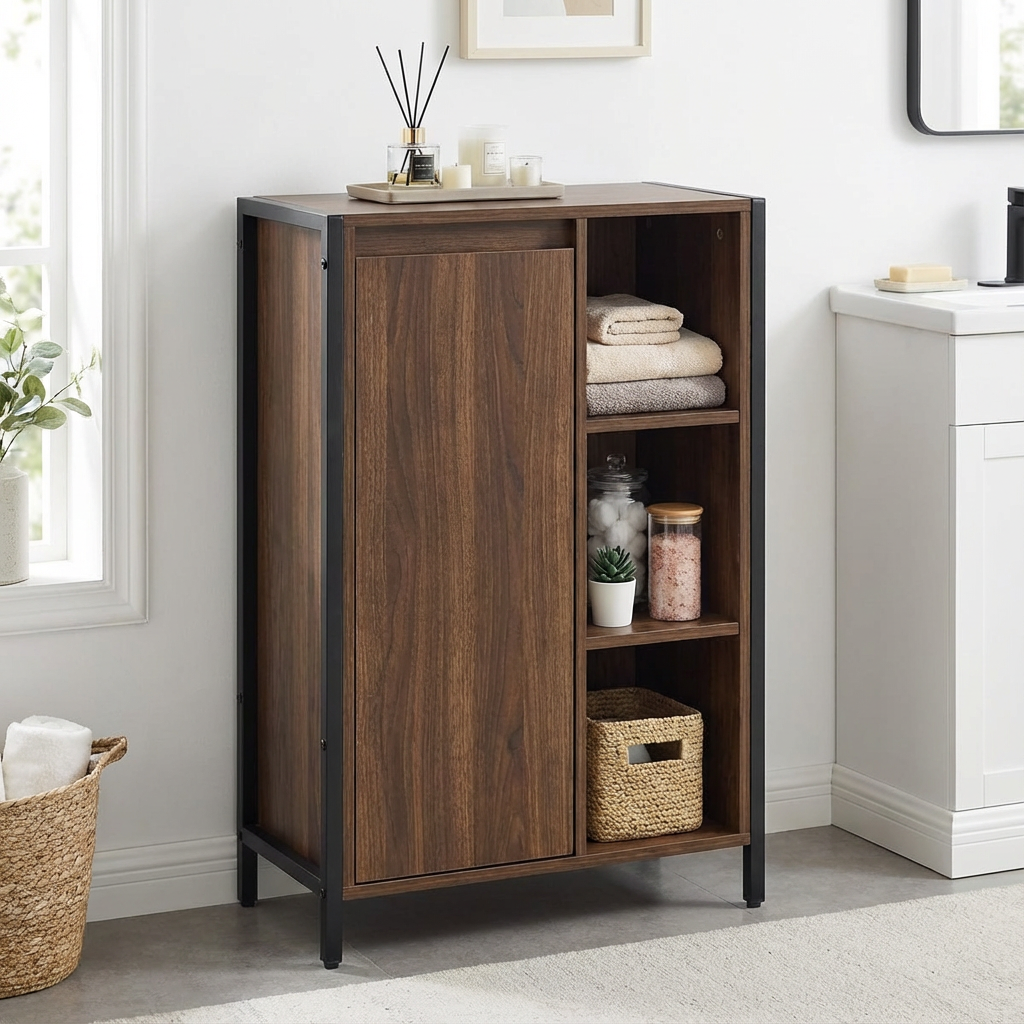
In today’s competitive home furniture supply chain, custom storage cabinets have become a key growth category for B2B buyers, importers, and private label sellers. Within this segment, bathroom storage products—especially the bathroom storage cabinet and tall bathroom storage cabinet—are gaining long-term traction across Europe and North America due to urban living trends and rising demand for organized, space-efficient interiors.
Building Reliable Custom Bathroom Storage Programs
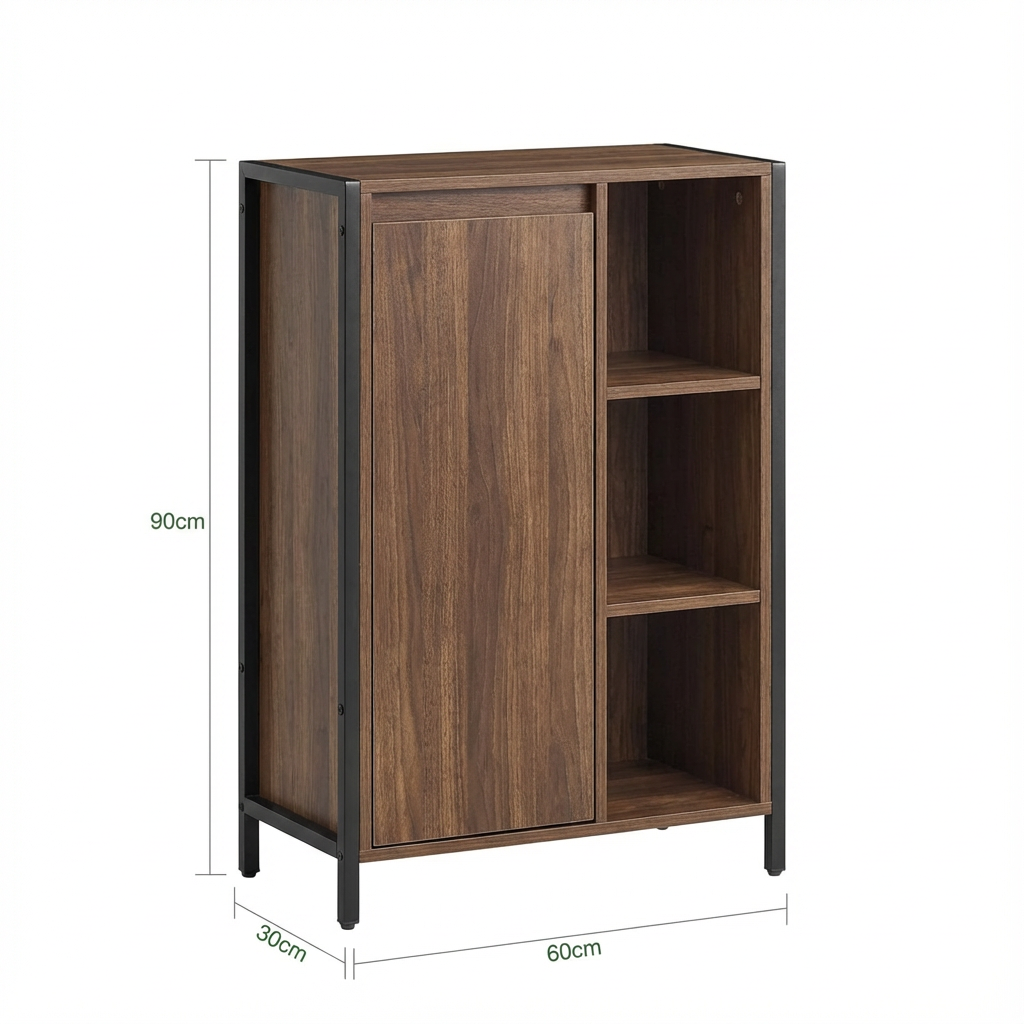
From initial concept to full-scale production, a successful bathroom storage project requires close alignment between design, engineering, and manufacturing. Whether developed as a bathroom storage cabinet, tall bathroom cabinets, tall bathroom storage cabinet, or a flexible bathroom storage unit, customization done right allows importers and private label brands to scale confidently.
1. Why Bathroom Storage Cabinets Are Ideal for Custom Programs
Bathrooms are functional spaces with clear storage pain points. As a result, bathroom storage solutions are among the most repeatable and scalable SKUs for importers. A well-developed bathroom storage unit can serve multiple applications:
Daily household storage for toiletries and towels
Vertical organization in compact bathrooms
Complementary storage for vanity or sink units
For B2B buyers, the ability to customize a bathroom storage cabinet without redesigning the full structure offers strong cost control and faster market response.
2. Design Phase: Translating Market Needs into Structure
The design stage is where most custom bathroom storage projects are defined. Importers typically focus on:
Footprint and height optimization
A tall bathroom cabinet or tall bathroom storage cabinet maximizes vertical space while maintaining a slim footprint—ideal for apartments and hotels.
Neutral design language
Clean lines and balanced proportions allow a bathroom storage cabinet to adapt to multiple private label styles.
Modular internal layouts
Adjustable shelves and compartment flexibility help a single bathroom storage unit meet varied consumer needs.
3. Engineering and Structural Validation
Once design concepts are approved, engineering validation becomes critical. Professional buyers evaluate:
Panel thickness and load-bearing performance
Stability of tall bathroom cabinets under daily use
Back-panel reinforcement to prevent long-term deformation
A structurally sound tall bathroom storage cabinet reduces after-sales risk and protects brand reputation in competitive online channels.
4. Material Selection and Finish Control
Material choice directly impacts durability and pricing. For mass production of bathroom storage products, importers usually prefer:
Engineered wood panels with consistent density
Moisture-resistant surface finishes
Neutral color options suitable for multiple markets
A bathroom storage cabinet designed with stable materials performs better in humid environments and reduces warranty claims.
5. Prototyping and Pre-Production Testing
Before mass production, custom bathroom storage units go through sample testing to verify:
Assembly accuracy and installation flow
Door alignment and shelf stability
Packaging protection for long-distance shipping
This phase ensures the bathroom storage cabinet is production-ready and scalable.
6. Mass Production and Quality Control
In large-volume manufacturing, consistency matters more than speed. Importers expect:
Standardized production processes
In-line quality checks at key stages
Final inspection focused on structure, finish, and packaging
For tall bathroom cabinets, strict quality control is especially important due to height and stability requirements.
7. Packaging and Logistics for Global Distribution
Efficient packaging is essential for international buyers. A well-designed bathroom storage unit typically features:
Flat-pack construction to optimize container loading
Protective corner and edge solutions
Clear assembly instructions for end users
A tall bathroom storage cabinet engineered for logistics reduces total landed cost and improves customer satisfaction.