
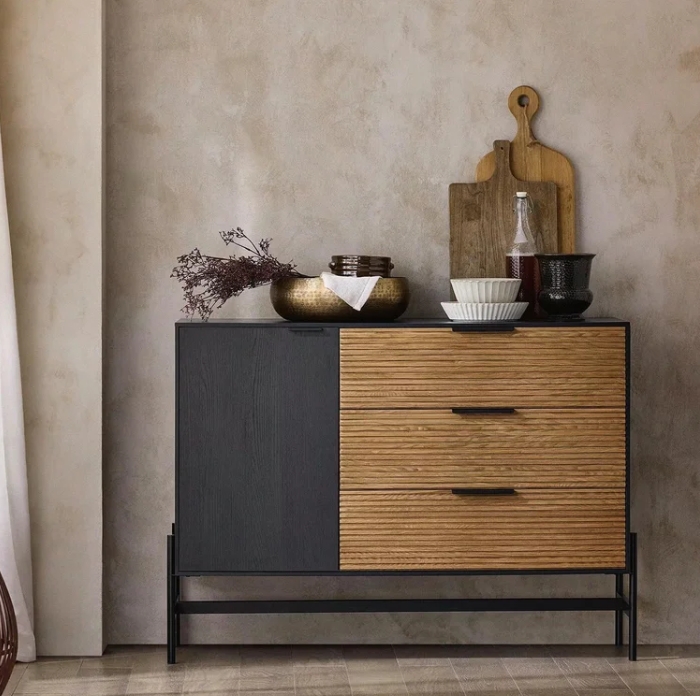
OEM Storage Cabinet Solutions for Private Label Brands
In today’s competitive home furniture market, OEM manufacturing has become a strategic pillar for private label brands. Among the fastest-growing categories, the pantry cabinet stands out as a high-demand, high-repeat item across Europe and North America. For B2B buyers, importers, and online sellers, sourcing the right kitchen pantry cabinet or kitchen pantry storage cabinet is no longer just about appearance—it is about scalability, consistency, and brand adaptability.
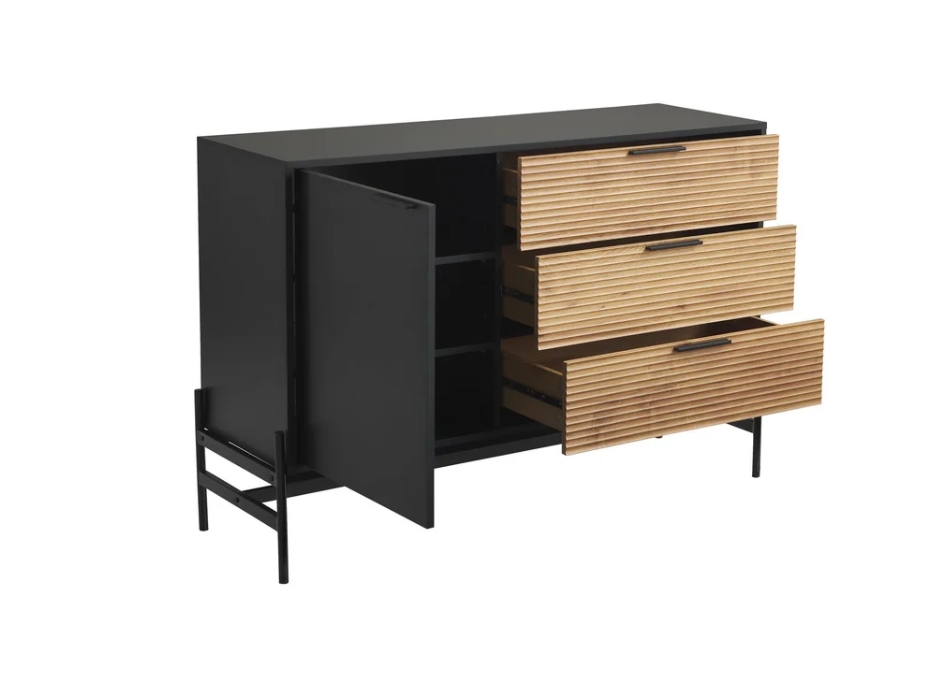
Building Scalable OEM Pantry Cabinet Programs
For private label brands and importers, a successful pantry cabinet combines space efficiency, structural reliability, and customization potential. Whether positioned as a kitchen pantry cabinet, kitchen pantry storage cabinet, pantry storage cabinet, or narrow pantry cabinet, the right OEM solution supports long-term sales and brand expansion.
1. Why Pantry Storage Cabinets Are Ideal for Private Label Programs
A pantry storage cabinet offers strong cross-market appeal. It can be positioned as:
A kitchen pantry cabinet for food and appliance storage
A narrow pantry cabinet for apartments and urban homes
A multi-purpose storage solution for utility or dining spaces
For private label brands, this flexibility reduces development risk and allows one core product to support multiple listings and regional strategies.
2. Space Efficiency Drives OEM Demand
One of the most requested formats is the narrow pantry cabinet. Importers increasingly target designs that fit compact kitchens without sacrificing capacity. Typical OEM priorities include:
Slim footprints suitable for tight kitchen layouts
Vertical storage maximizing shelf count
Stable structure despite reduced width
A well-designed kitchen pantry storage cabinet that balances slim proportions with durability performs consistently across online and offline channels.
3. Structural Design: What Importers Evaluate First
Behind every successful pantry cabinet is solid engineering. Professional buyers focus on:
Reinforced side panels and back panels
Adjustable shelving for varied storage needs
Secure door alignment for long-term use
A kitchen pantry cabinet with proven structural reliability minimizes after-sales issues and protects the private label brand’s reputation.
4. Materials and Finish Options for OEM Customization
OEM pantry storage cabinet programs often require controlled material selection to meet target pricing:
Engineered wood panels with stable density
Durable surface finishes suitable for kitchen environments
Neutral color palettes that align with multiple brand identities
By offering configurable finishes, manufacturers allow the same kitchen pantry storage cabinet structure to serve different private label collections.
5. Branding and Private Label Readiness
For private label buyers, a pantry cabinet must be brand-ready from day one. This includes:
Custom packaging artwork and carton markings
Instruction manuals aligned with brand tone
SKU differentiation for narrow pantry cabinet variations
These details help importers scale faster without redesigning the core kitchen pantry cabinet.
6. Packaging and Logistics Considerations
From an OEM perspective, logistics efficiency is critical. Importers expect:
Flat-pack pantry storage cabinet designs
Optimized carton sizes for container loading
Protective packaging to reduce transit damage
A narrow pantry cabinet engineered for shipping efficiency significantly lowers total landed cost.
7. Compliance and Market Compatibility
A professional OEM kitchen pantry cabinet program must align with target market expectations:
Stability and safety standards
Consistent quality control processes
Documentation readiness for import markets
Meeting these requirements makes a pantry cabinet easier to introduce into new regions.