
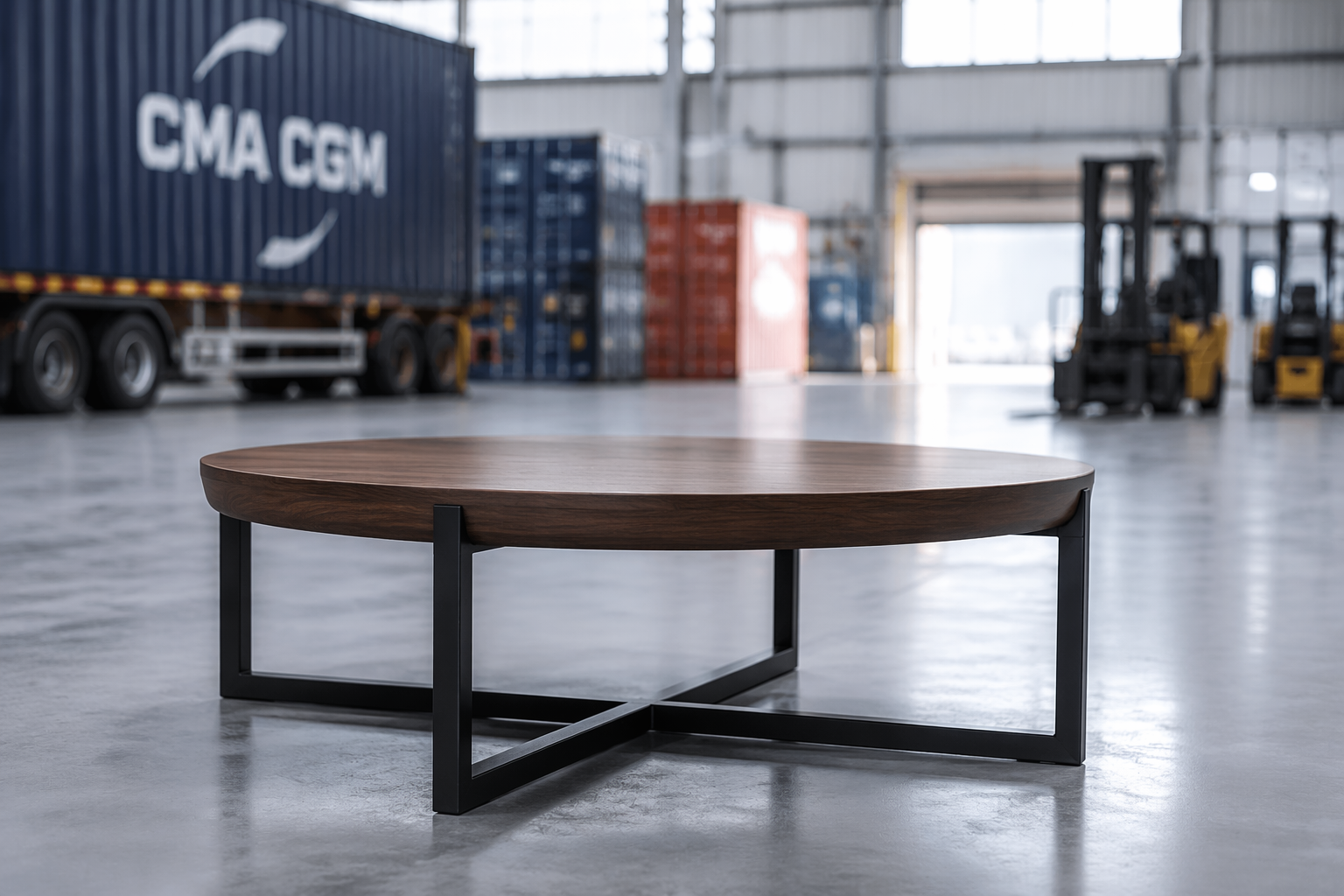
Navigating European Freight Challenges in Furniture Procurement
For European commercial furniture buyers, inventory management relies heavily on maritime transit predictability. When importing a high-volume coffee table line, supply chain efficiency involves more than simple unit costs. Shifting port schedules at major hubs like Rotterdam, Antwerp, and Hamburg require tactical planning at the manufacturing phase. B2B procurement professionals must select products that balance aesthetic market demands with strict dimensional shipping requirements to protect profit margins.
European Market Shifts and Maritime Logistics Benchmarks
Sourcing trends across Western and Central Europe show a clear preference for space-saving, multi-functional home solutions. According to industry estimates, European e-commerce furniture sales now make up over 28% of total regional market volume, increasing the need for direct-to-consumer parcel delivery setups. Concurrently, maritime freight costs remain volatile due to transit adjustments around international corridors. This environment makes structural volume optimization a key priority for corporate furniture buyers.
Volumetric Efficiency: Flat-Pack Engineering and Container Yields
Minimizing Dead Space in European Sea Freight
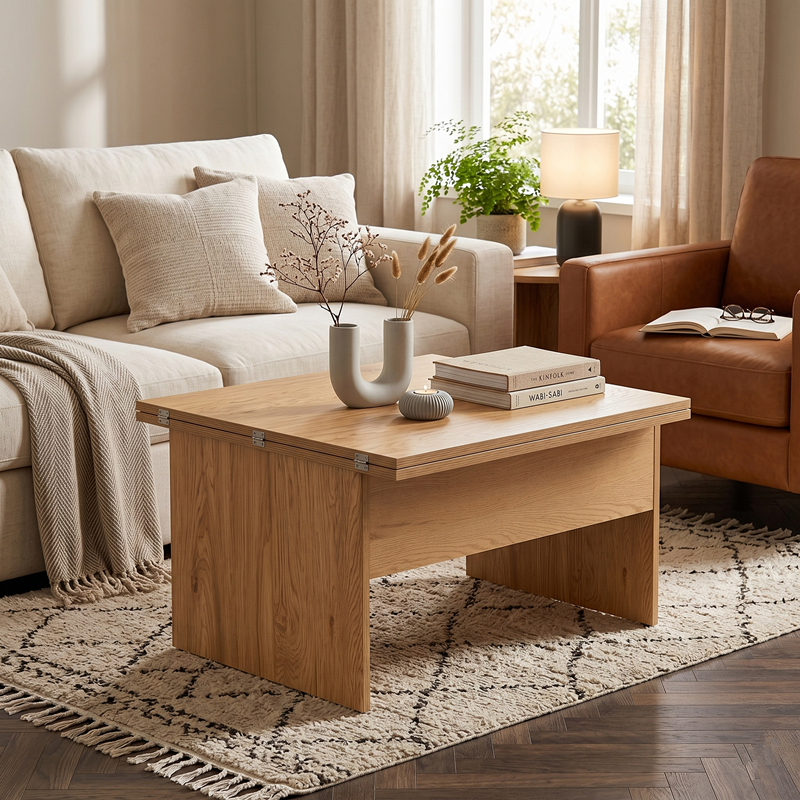
Ocean freight rates depend heavily on volume, making traditional pre-assembled furniture too expensive for competitive wholesale distribution. Engineering a commercial wood coffee table with a knockdown (KD) flat-pack structure directly answers this logistics challenge. By shipping items disassembled, factories reduce outer carton volume by up to 70%, allowing procurement teams to fit more product into standard 40ft HQ containers.
+-----------------------------------+--------------------+------------------------+
| Product Structural Configuration  | Average CBM / Unit | Est. Units per 40ft HQ |
+-----------------------------------+--------------------+------------------------+
| Pre-Assembled Coffee Unit     | 0.285 m³      | ~230 Pieces      |
| Modular Flat-Pack Design     | 0.075 m³      | ~880 Pieces      |
+-----------------------------------+--------------------+------------------------+
Frame Geometry and Nesting Configurations
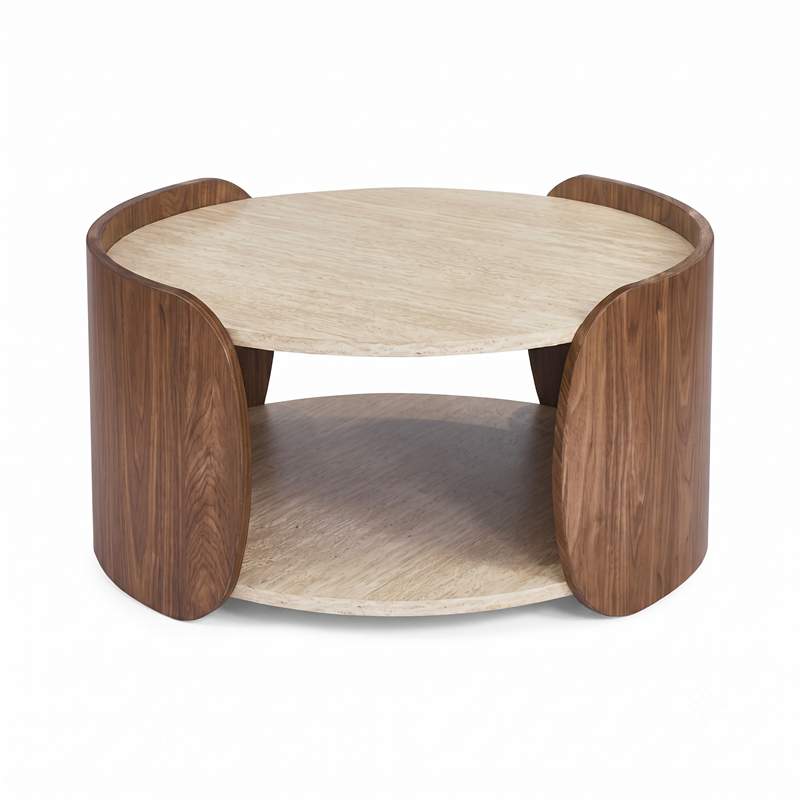
Choosing a round coffee table nesting set offers smart design advantages for both consumer utility and container packing. The smaller accent piece fits entirely within the frame of the main round cocktail table, eliminating wasted volumetric space inside the export shipping carton. This conscious approach to geometry enables retail brands to offer versatile two-piece product packages without doubling their sea freight logistics spend.
Structural Materials and European Customs Compliance
Adhering to E1 Particle and Fiberboard Standards
Importing wooden products into the European Union requires strict compliance with regional chemical and environmental legislation. A low-cost modern coffee table line must utilize E1-grade engineered panels—such as Medium-Density Fiberboard (MDF) with a durable melamine laminate layer—to meet strict formaldehyde emission caps. Sourcing certified materials helps commercial distributors avoid customs border hold-ups and expensive product recalls.
Steel Base Finishes and Chemical Protection
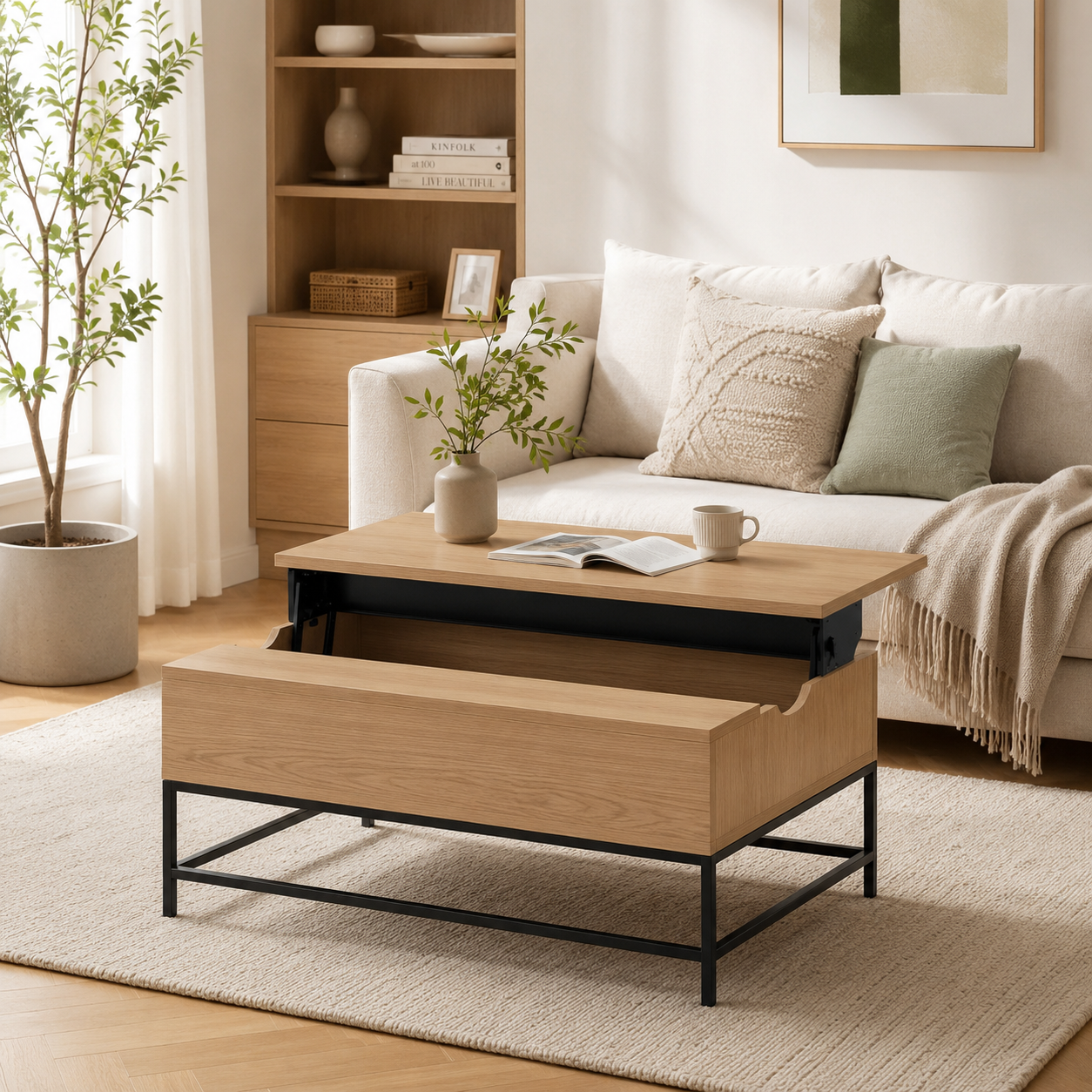
Combining engineered wooden tops with a robust carbon steel tubular base frame creates a durable product well-suited for long-haul maritime transport. Industrial manufacturing processes use precision robot welding and an electrostatic powder-coating line to protect the metal. This specialized outer layer forms a barrier against moisture and salt-spray oxidation during long sea voyages, ensuring inventory arrives in pristine condition.
Evaluating Factory Packaging Standards for Last-Mile Logistics
When assessing an OEM/ODM manufacturing partner for long-term B2B supply contracts, transit damage protection is just as important as production capacity. Experienced export suppliers execute rigid product validation tests before shipping container loads
ISTA 10-Point Drop Testing: Packaging layouts undergo a rigorous 10-point drop sequence to confirm that protective foam corner bumpers can survive real-world fulfillment center handling
. Weight Class Standards: According to standardized testing protocols, any packaged product under 21 lbs drops from a height of 30 inches to check structural durability
. Flexible Production Runs: Working with factories that offer minimum order quantities (MOQs) between 100 to 200 pieces per item provides the flexibility needed to test new regional styles
.
Frequently Asked Questions
Q: Why is flat-pack engineering essential for importing a coffee table line into Europe?
A: Flat-pack packaging minimizes dead space inside shipping containers, significantly reducing the logistics cost per unit. This compact structure also protects components during long sea voyages and fits efficiently into existing e-commerce fulfillment networks.
Q: How do material certifications impact the customs clearance of a wood coffee table?
A: The European Union enforces strict environmental regulations on wood composite materials. Sourcing a wood coffee table built with certified E1-grade MDF or particle board ensures compliance with formaldehyde emission caps, preventing border delays.
Q: What layout benefits do nesting round coffee table sets offer for wholesale buyers?
A: A nested round coffee table or round cocktail table set allows smaller components to pack cleanly inside larger frames. This structural design minimizes outer carton dimensions, optimizing your total shipping volume.
Q: Can frame finishes on a modern coffee table withstand moisture during ocean transit?
A: Yes, high-efficiency factories apply an electrostatic powder coating to the carbon steel tubes. This heavy-duty surface treatment seals the metal against oxygen and humidity, preventing rust during sea transport.
Strategic Sourcing Opportunities
If you are evaluating suppliers for an upcoming living room inventory expansion