
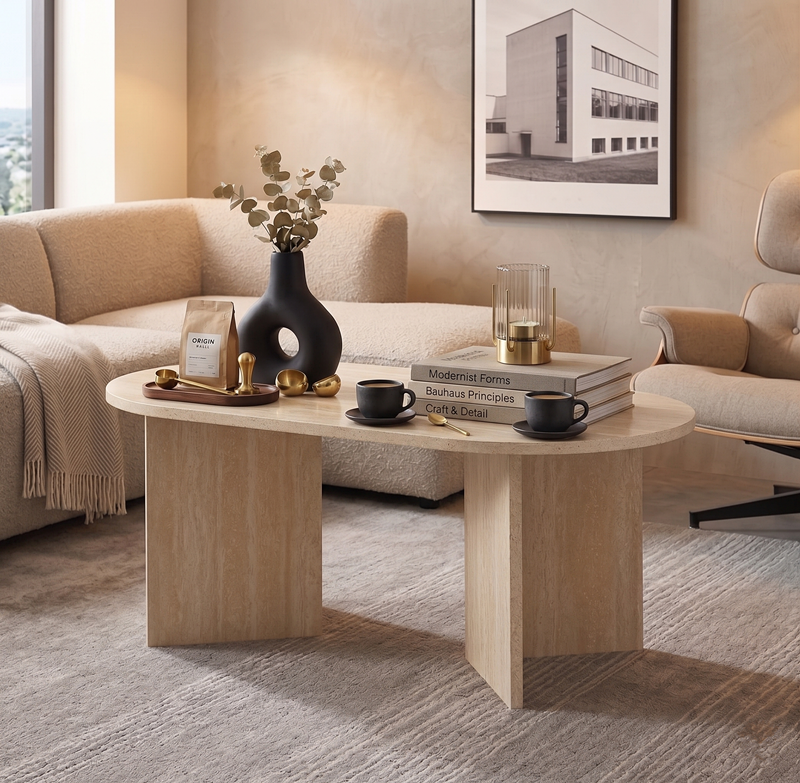
Navigating the B2B Inventory Dilemma for Living Room Collections
For rapidly expanding furniture brands and e-commerce retailers across regions like the Netherlands and Germany, managing the balance between cash flow and stock availability is a constant challenge. Launching a new modern coffee table line traditionally required deep capital commitments due to rigid, high-volume production demands from overseas factories. This initial inventory barrier often drains capital that could otherwise fund targeted marketing campaigns, customer acquisition, or digital platform growth. Finding a commercial equilibrium between manufacturing economies of scale and conservative initial order sizes is crucial to scaling a business sustainably.

Understanding Current Market Pressures and Capital Efficiency Metrics
The global furniture supply sector has transformed significantly due to rapid shifts in consumer taste and fast digital product lifecycles. According to recent industry estimates, international shipping container freight disruptions and fluctuating warehousing costs have squeezed retail operating margins by roughly 12% over consecutive cycles. Furthermore, e-commerce data suggests that platforms updating their catalog designs twice per year experience up to a 35% higher repeat purchase rate compared to businesses relying on static product configurations. These commercial realities mean standard industrial container-load mandates for unproven wood coffee table designs present a substantial financial risk for agile organizations.
Strategic Advantages of Flexible MOQs for Modern Coffee Table Iterations
┌────────────────────────────────────────────────────────┐
│        THE STRATEGIC MOQ ADVANTAGE       │
├───────────────────────────┬────────────────────────────┤
│  Traditional Sourcing  │  Flexible MOQ Sourcing  │
├───────────────────────────┼────────────────────────────┤
│ • 500+ Units Per Style  │ • 100–200 Units Per Style │
│ • High Upfront Capital  │ • Conserved Cash Flow   │
│ • Severe Overstock Risk  │ • Rapid Market Testing   │
│ • Stagnant Product Lines │ • Dynamic Design Updates  │
└───────────────────────────┴────────────────────────────┘
Preserving Working Capital Through Initial Test Orders
By partnering with a reliable solution provider that offers flexible production runs of 100 to 200 units per style, expanding home brands can target higher capital velocity
Rapid Prototyping and Low-Risk Style Diversification
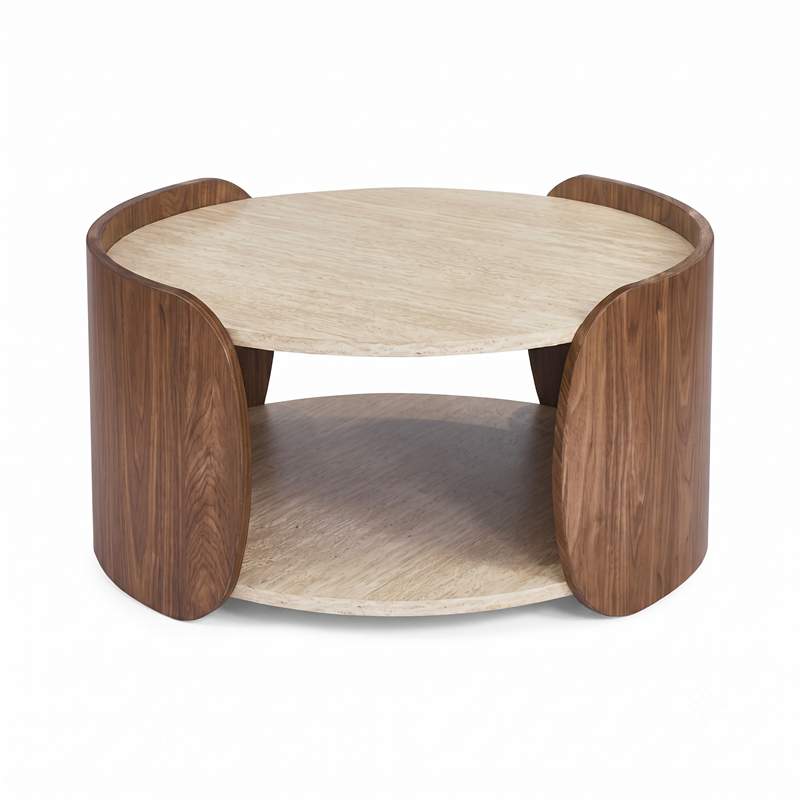
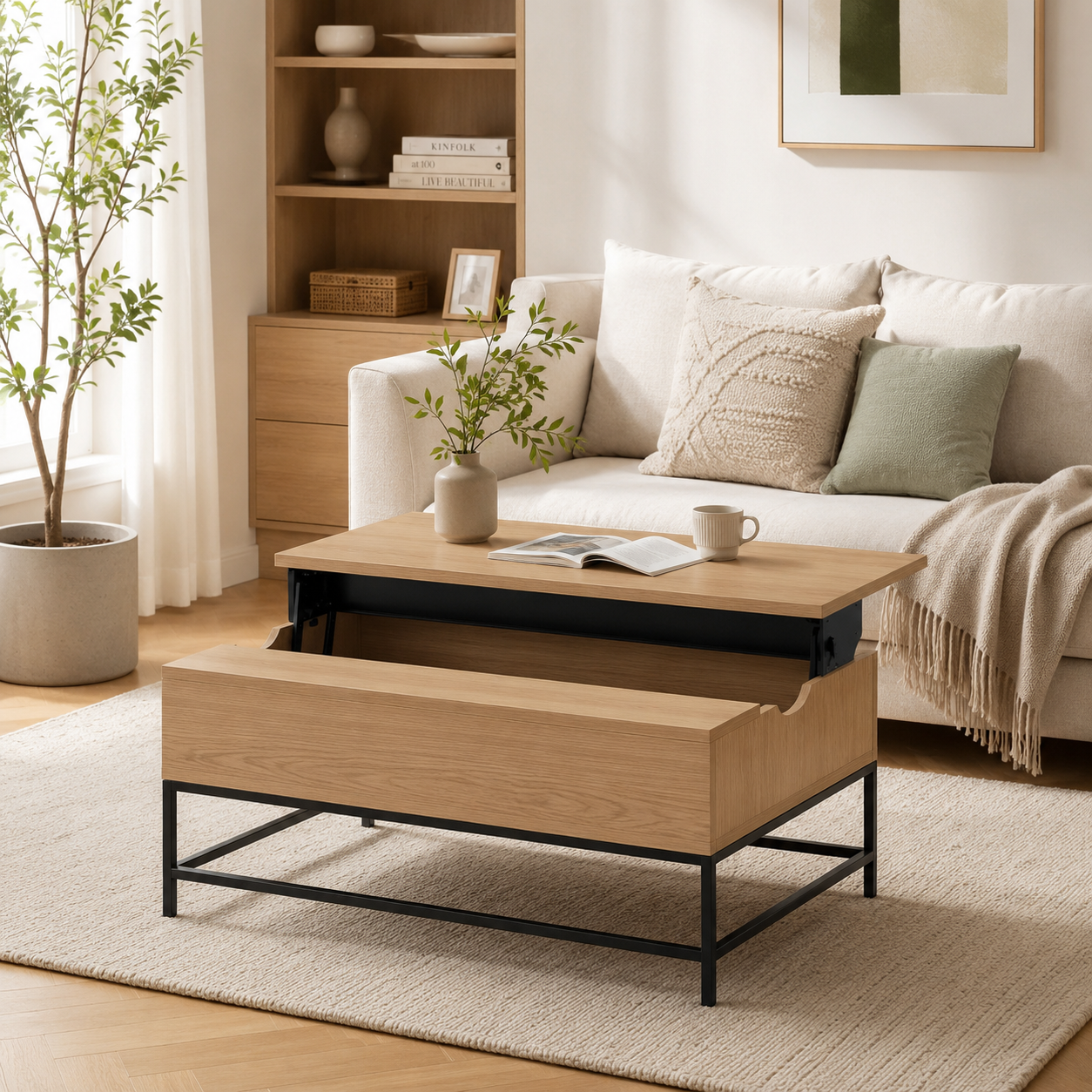
A flexible volume approach enables brands to introduce diverse structural variations, such as a geometric round coffee table or a low-slung round cocktail table, without facing extreme inventory liabilities. Utilizing versatile core materials like E1-grade MDF paired with high-durability melamine finishes allows an agile partner to execute swift automated edge-banding adjustments across a production run
Optimizing Container Logistical Footprints with Flat-Pack Assembly
Maximizing bottom-line margins relies heavily on minimizing spatial dimensions throughout the international shipping journey. Selecting a coffee table built around a knockdown (KD) flat-pack structural frame drastically reduces individual packaging volume, which optimizes total 40HQ container loading metrics
Actionable Criteria for Evaluating B2B Sourcing Partners
When evaluating a prospective supplier's readiness to handle lower-volume production, commercial buyers must focus on specific engineering and infrastructure indicators rather than generic marketing promises.
Integrated Shared Components: Determine if the factory utilizes standardized steel gauge dimensions or matching powder-coating processes across multiple product lines to maximize material usage
. Automated Tooling Workflows: Verify the presence of advanced production machinery, such as robotic laser-cutting tools and CNC engraving systems, which minimize machine downtime during product changeovers
. Independent Quality Gates: Ensure the partner executes strict, multi-stage inspection steps—including raw material validation, trial black-frame assembly, and post-packing analysis—regardless of total order volume
. KD Packaging Standards: Confirm that flat-pack furniture configurations undergo rigorous 10-point drop testing to guarantee safe transit down to the final consumer's doorstep
.
Sourcing FAQ for Emerging Furniture Retailers
Q: Why do traditional factories enforce high MOQs for a standard wood coffee table?
A: Traditional factories rely on long production runs to offset intensive manual setup times, material waste during calibration, and fixed manufacturing overhead. Advanced facilities overcome this by using automated CNC equipment and standardized raw materials to maintain efficiency even on smaller batches
Q: Can a round coffee table be safely customized under a low-volume sourcing arrangement?
A: Yes, custom parameters including custom sizing, surface wood-grain finishes, and specialized hardware colors remain viable under a flexible MOQ framework
Q: How do knockdown flat-pack structures impact overall shipping costs for online sellers?
A: Knockdown structures minimize dead space inside cartons, significantly increasing the total number of units that fit into a standard shipping container
Accelerate Your Living Room Product Launch
Navigating inventory thresholds is a critical factor in scaling a modern furniture brand. If you are currently evaluating agile manufacturing solutions for an upcoming coffee table collection, our team is ready to provide structural layout advice, comprehensive manufacturing specifications, and initial sample evaluations tailored to your target market