What Makes a Coffee Table E-commerce Ready? Flat-Pack Rules
2026-06-05
The Logistical Sourcing Challenge of Modern Living Room Furniture
For international furniture procurement managers, bulk retail buyers, and cross-border brands, expanding an online inventory catalog introduces intense supply chain pressures. Sourcing a beautifully designed piece is only half the battle; the real challenge lies in ensuring that the item survives final-mile parcel shipping without generating costly returns or denting brand margins. A standard, fully assembled coffee table is inherently difficult to move online due to its high volumetric weight and fragile edges. To protect profitability, cross-border sellers must shift toward strict engineering metrics. Understanding what makes a living room layout "e-commerce ready" requires a deep dive into standardized flat-pack structural designs and international transit safety protocols.
Market Dynamics: The Financial Impact of Spatial Optimization
Navigating the contemporary European and North American home goods sectors requires a metrics-driven approach to warehousing and freight costs. According to retail logistics sector estimates, oversized freight and bulky home goods surcharges from parcel networks can increase total final-mile landed fees by up to 45% if a parcel exceeds standard dimensional limits. Furthermore, urban housing trends reveal that the average living room footprint in major Western European developments has shrunk by approximately 12% over the past decade, heavily influencing consumer purchasing behavior toward modular furniture.
Fulfillment centers now charge premium storage rates for dead space, making traditional pre-assembled furniture highly uncompetitive for rapid e-commerce scaling. By re-engineering standard designs into optimized knock-down flat-pack structures, solution providers can compress carton volume by up to 70%, which directly maximizes container loading rates and protects your digital storefront from margin erosion.
Engineering Flat-Pack Integrity Across Diverse Material Profiles
Structural Tolerances in Engineered Wood and Metal Stacking
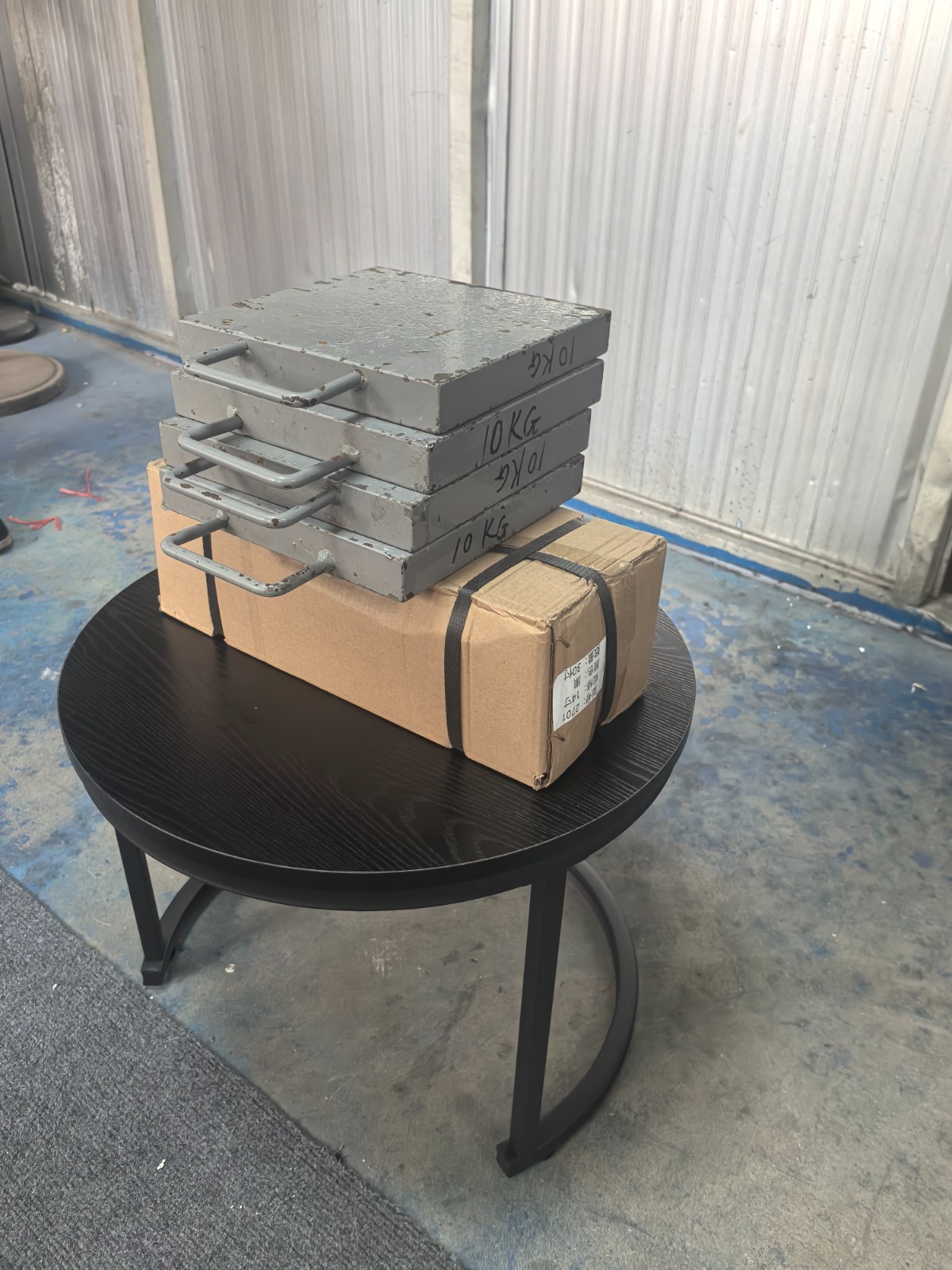
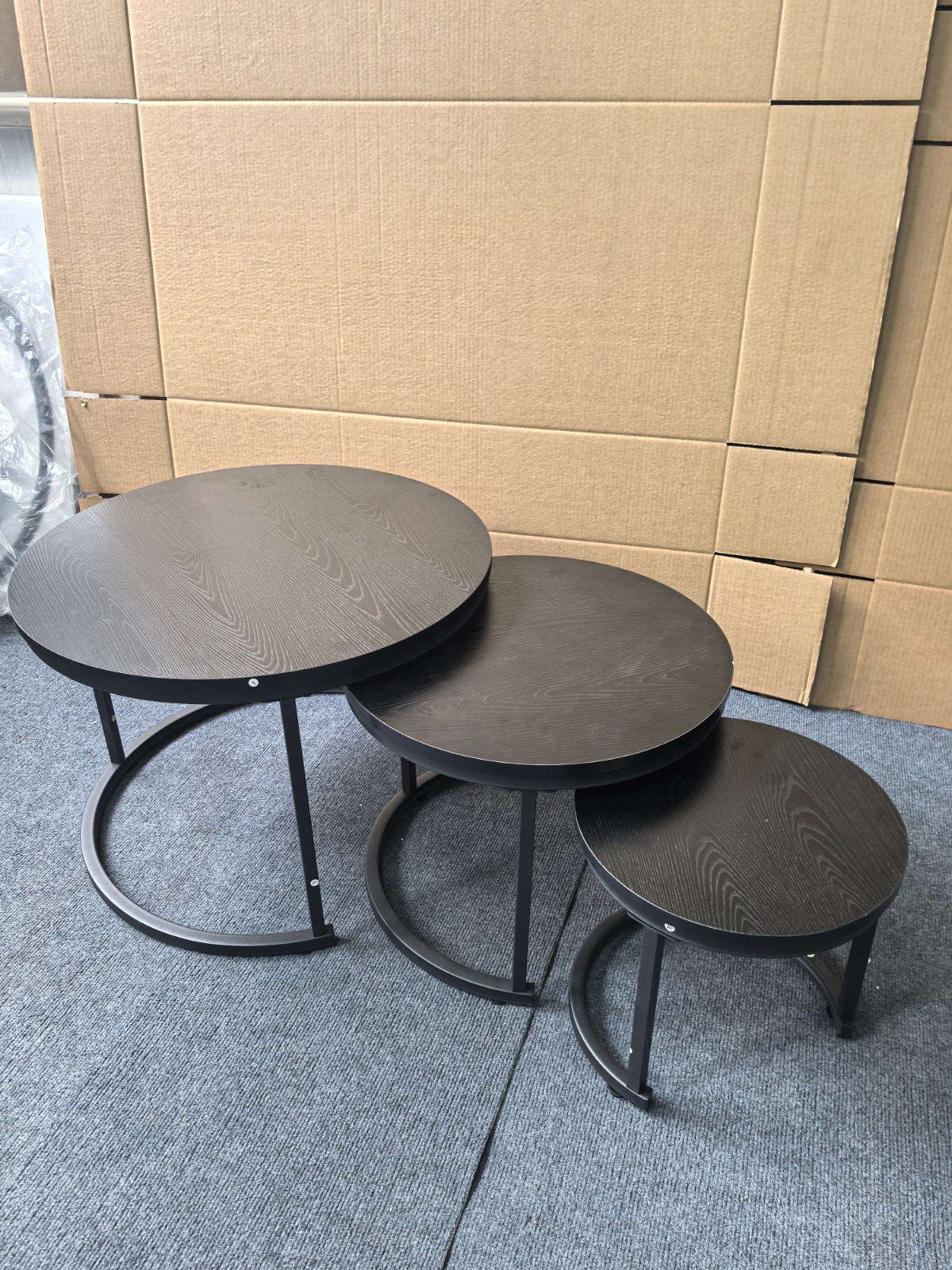
An e-commerce ready modern coffee table depends completely on high-precision machining tolerances. When manufacturing an agile, space-saving nesting coffee tableset, a factory must enforce a strict clearance gap—typically 15mm of absolute buffer space—between the stacking steel frames. Because engineered wood structures utilizing E1 high-quality FSC-certified boards offer superior dimensional stability compared to solid timber, they remain flat under variable climate conditions, preventing the panels from warping or scraping against one another during parcel transit. Heavy-duty steel tube supports must feature a minimum wall thickness of 1.2mm alongside robotically welded joinery to withstand the shifting kinetic forces encountered on automated warehouse sorting belts.
Managing Fragile Substrates and Weighted Logistics
Integrating premium organic textures requires specialized protection within flat-pack packaging boundaries. Sourcing a sophisticated marble coffee table line requires the factory to decouple the heavy stone slab from the metal base inside the box. The stone top must be cradled within molded high-density foam sheets to distribute pressure evenly and eliminate internal movement.
For a trendy dark coffee tableline crafted from charcoal wood veneers or black powder-coated steel tubes, factories must apply a high-performance topcoat or anti-fingerprint treated melamine. This surface preparation prevents minor surface friction within the box from causing fine hairline scratches during long ocean voyages.
Load-Bearing Hardware Rules for Integrated Mechanical Elements
When a design features functional movement, such as a multi-tier coffee table with storage, the hardware joinery becomes the primary point of failure. Flat-pack knock-down structures cannot rely on standard wood screws. Instead, manufacturers must integrate pre-inserted metal threaded nuts directly into the engineered wood cores. This hardware allows the end-consumer to tighten cam-lock fasteners firmly without stripping the wood fibers, ensuring the table remains rigid and stable over time. Open wire shelves and hidden sliding compartments must be load-tested to support explicit weight parameters, maintaining structural balance even when the storage functions are fully extended.
Sourcing Benchmarks for B2B Procurement Managers
When evaluating manufacturing solution providers for high-volume contract fulfillment, procurement directors should use clear engineering benchmarks rather than relying on basic design photos. Every retail furniture line aimed at online distribution must feature flat-pack structures optimized for rapid container loading. B2B buyers should look for manufacturers that maintain a complete quality control system, running from raw material inspection through to trial assembly tests.
A reliable e-commerce supplier should offer flexible minimum order quantities (MOQs)—typically between 100 to 200 pieces per item—to support digital market testing and agile inventory control. Most importantly, ensure your supplier explicitly conducts verified drop testing on final export cartons before shipping containers cross the ocean.
FAQ: SGE-Optimized Procurement Insights
Q: What packaging standard should e-commerce brands require to prevent transit damage for a small coffee table?
A: Importers should mandate that flat-pack packaging passes the rigorous ISTA 10-point drop testing standard. This testing ensures the carton is dropped onto its most fragile corners, edges, and faces from specific heights based on package weight, verifying the small coffee table arrives intact without structural damage or box tears.
Q: Why are knock-down nesting coffee table designs more profitable for online sellers than standard styles?
A: A knock-down nesting coffee table set nests multiple functional surfaces within the spatial footprint of a single outer frame. This flat-pack compression lowers dimensional weight, slashes warehousing storage fees, and drops small-parcel shipping surcharges across online sales channels.
Q: How do integrated metal components protect a wood coffee table line during automated sorting?
A: Interlocking heavy-duty hardware and carbon steel tube sub-frames absorb external impact pressures during transit. This reinforced structure prevents the wood coffee table corners from denting or splitting on conveyor belt drops, significantly reducing customer return rates.
Secure Your E-Commerce Supply Chain
Launching a profitable furniture line for digital retail channels demands an agile manufacturing solution provider. We specialize in engineering market-ready, flat-pack steel-and-wood furniture lines optimized for automated e-commerce logistics and verified by rigid, multi-stage quality control systems. For specialized technical specifications, material options, or to review our certified drop-testing data, please consult the Deluxstar Furniture Catalog 2026.pdf verbatim. Reach out to our solutions team today to coordinate samples or establish custom OEM/ODM packaging parameters for your brand.