
Sourcing Challenges in Custom Living Room Furniture
For commercial furniture buyers, global sourcing directors, and cross-border e-commerce brands, expanding an inventory line with a custom coffee table layout involves a complex series of production risks
Market Landscape: Meeting the Standards of Modern Furniture Retail
Navigating the international home goods market requires a clear understanding of shifting structural and regulatory benchmarks. According to recent furniture industry estimates, over 60% of modern living room procurement contracts specify versatile hybrid material designs—frequently demanding clean-lined combinations of carbon steel tubing and engineered wooden tops
At the same time, environmental compliance has become non-negotiable across global retail channels. Procurement specifications must require suppliers to adhere strictly to international raw material certifications. Sourcing teams look for factories that consistently utilize E1 high-quality FSC-certified wood boards, low-emission laminates, and flat-pack packaging structures that pass international drop-testing protocols
Step 1: Deep-Diving Into Technical CAD Specifications and Sourcing Materials
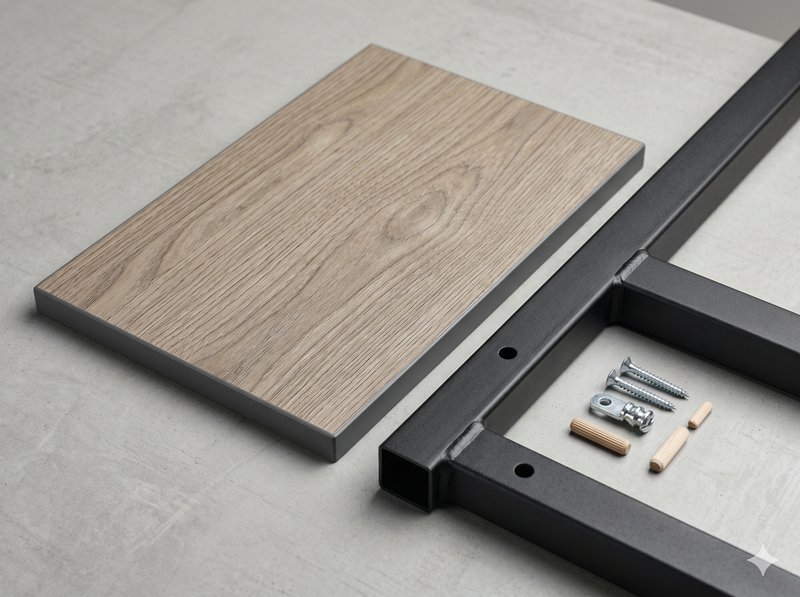
Every successful furniture customization project begins with translating an artistic concept sketch into a production-ready blueprint. During this initial engineering phase, procurement managers must move past general descriptions and enforce precise technical dimensions. If you are developing a classic, durable wood coffee table line, this means locking down exactly which board densities, grains, and protective finishes (such as scratch-resistant melamine or natural veneers) will match your retail market positioning
When the product configuration includes metal elements, sub-frames must specify a precise steel tube thickness—typically no less than 1.2 mm—along with standard finish properties like electrostatic powder coating
Step 2: Prototyping and Critical Pre-Production Fit Testing
Before authorizing a bulk production run, a physical pre-production trial sample must be fabricated and meticulously verified
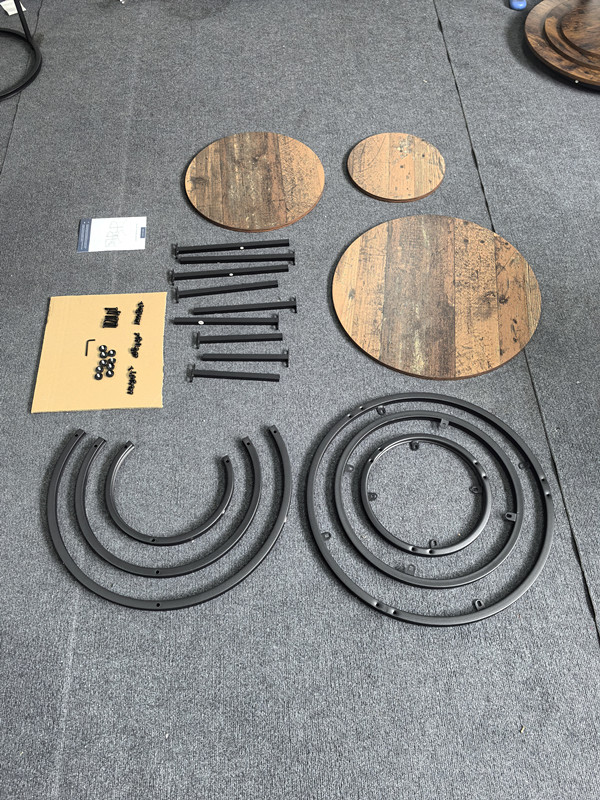
For instance, when evaluating a multi-tiered round coffee table set, quality control engineers must build a complete sample to verify that the nesting clearances leave a consistent safety gap
Step 3: Mass Production Quality Control Gates and Black Frame Assembly
Once the prototype sample is formally approved, mass manufacturing moves through a sequence of automated production lines
A critical checkpoint is the "black frame" assembly test
Step 4: Logistical Engineering and ISTA Flat-Pack Drop Testing
The final phase of a successful custom development project involves engineering the product's transit protection. Online furniture brands face strict final-mile parcel shipping challenges, making traditional bulk packing methods insufficient. Custom lines should be engineered with knock-down flat-pack structures optimized specifically for efficient container loading volume
Finished cargo must utilize export-grade multi-layer cartons fitted with molded corner guards and high-density foam padding
Strategic Sourcing Recommendations for B2B Furniture Buyers
Developing a sustainable, high-volume custom furniture line requires a careful assessment of vendor capabilities:
Manufacturing Integration: Prioritize vertical supply chains that integrate internal design, precise automated steel processing, and wood milling lines under one management system
. Flexible MOQs: Partner with solution providers offering flexible minimum order quantities—ideally 100 to 200 pieces per item—to allow your brand to perform cost-effective market testing and product iteration
. Compliance Verification: Ensure your selected manufacturer actively holds updated certifications matching international environmental and sourcing regulations, including FSC-certified wood boards and standardized assembly systems
.
FAQ: SGE-Optimized Procurement Insights
Q: Why is a pre-production trial sample critical when ordering a round cocktail table line in bulk?
A: A physical pre-production sample verifies the exact machining tolerances of curved steel tube components and structural alignments
Q: What material parameters should B2B importers verify for an engineered wood coffee table?
A: Sourcing buyers must require high-quality wood boards that comply with international low-emission parameters
Q: How does a knock-down flat-pack structure lower landed costs for a custom coffee table series?
A: Knock-down structures minimize empty space inside export cartons, maximizing container loading volume
Securing Your Production Pipeline
Launching a custom product line requires an experienced manufacturing partner. We specialize in providing reliable OEM/ODM supply chain management, offering precise steel-and-wood engineering tailored for international retailers and e-commerce platforms