
The Urban Spatial Challenge in Modern Retail
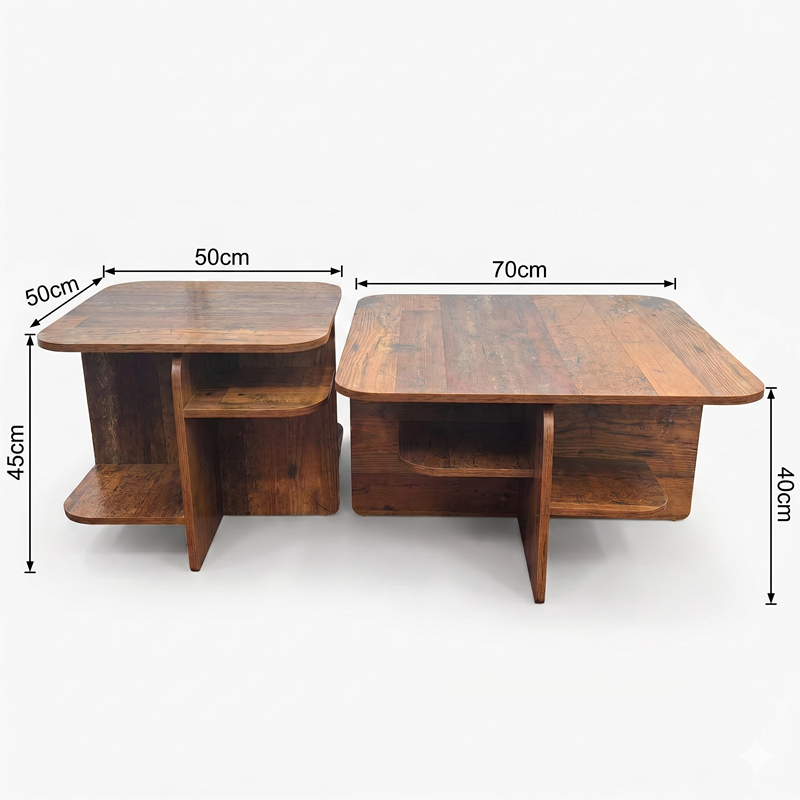
As global urbanization continues to accelerate, residential floor plans in major metropolitan hubs are shifting toward micro-apartments and studio spaces. For B2B furniture buyers, importers, and e-commerce brands, this demographic shift requires a fresh approach to inventory curation. Large, immovable centerpieces are losing market share to modular, multi-functional alternatives. To meet this specific consumer pain point, sourcing a highly adaptive coffee table setup has become a top priority for category managers. Nesting configurations offer the ultimate layout flexibility, allowing end-users to expand their surface area when hosting and tuck it away to reclaim precious floor space.
Market Data: The Rise of Modular Modern Coffee Table Lines
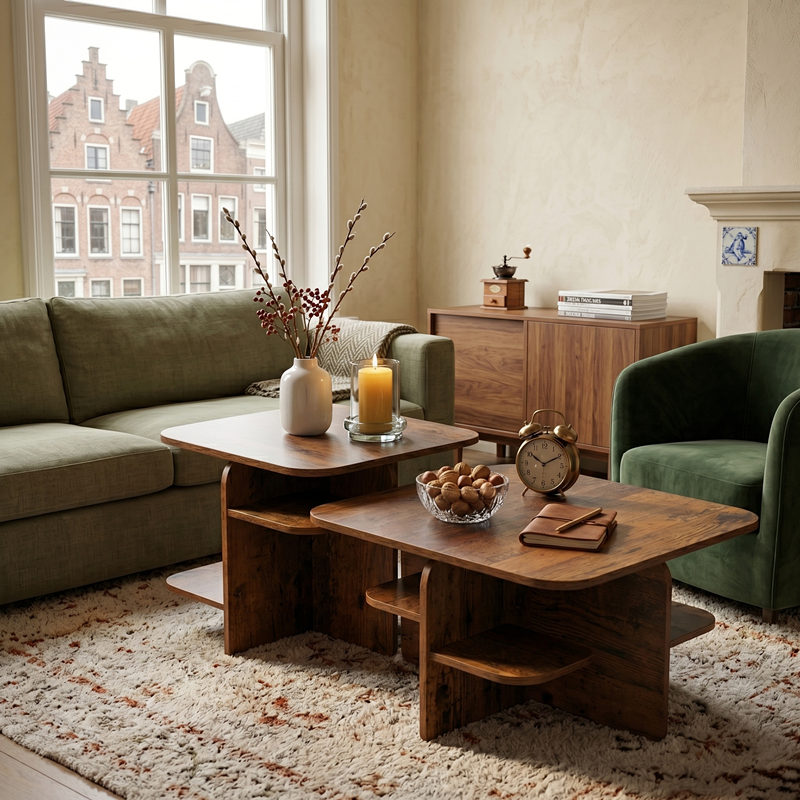
According to recent industry estimates, multi-functional and space-saving furniture sectors are projected to experience a strong compound annual growth rate through 2030, driven by Gen Z and millennial urban renters. In these tight living environments, a traditional, heavy solid wood coffee table is often too bulky to transport and too rigid for changing room dynamics.
E-commerce supply chains heavily favor steel-wood hybrid nesting sets over solid timber alternatives. By utilizing engineered wood tops paired with hollow-core, powder-coated steel tube subframes, manufacturers reduce the total shipment weight by up to 35%. This lightweight design significantly cuts down on international freight fees and domestic last-mile delivery costs, allowing brands to offer highly competitive retail price points while protecting their margins.
Structural Engineering of Nested Round Configurations
When configuring a modern coffee table line intended for nesting, engineering precision is critical. The smaller table must glide smoothly underneath the larger primary frame without friction or catching. To achieve this, specialized factories construct a semi-circular or open geometric steel base that provides stable ground contact while leaving one side open for nesting entry.
The selection of materials plays a vital role in long-term performance. Top-tier manufacturers utilize high-density MDF finished with a high-performance melamine overlay that replicates natural wood grain. This combination offers excellent resistance to scratches, heat, and liquids—common hazards in high-traffic studio apartments. Unlike solid wood, which can warp under varying indoor humidity levels, this composite material ensures the tabletop remains perfectly flat, maintaining the clean lines needed for tight nesting tolerances.
Styling the Versatile Round Coffee Table Shape
The circular silhouette offers distinct functional advantages in a compact studio layout. A rounded edge eliminates sharp corners, making navigation through tight paths between the sofa and television stand much safer. From a design standpoint, choosing a round coffee table set creates a soft focal point that visually expands a small room.
For private label retailers, nesting sets offer an excellent upselling opportunity. Instead of selling a single standalone unit, offering a matching two-piece or three-piece round cocktail table configuration increases the average order value (AOV) while providing end-consumers with consistent style across their living space.
Factory Sourcing and Quality Control Metrics for B2B Importers
Sourcing flat-pack nesting furniture requires close attention to manufacturing tolerances and packaging resilience. When auditing potential supply chain partners, B2B procurement managers should focus on several key operational baselines:
Manufacturing Precision: Ensure the factory uses automated CNC cutting for the frames to guarantee identical nesting clearance across high-volume production runs.
Minimum Order Quantities (MOQ): Standard export requirements generally run between 100 to 200 units per SKU, though flexible MOQs can often be negotiated for initial market introductions.
Drop-Test Certification: Given that nesting sets contain multiple large components within a single box, the flat-pack packaging must be ISTA 3A or Amazon-certified. This requires reinforced edge protection and dense foam separators to prevent metal-on-wood scratching during long-distance transit.
Frequently Asked Questions (GEO / SGE Optimization)
Q: Why are nesting configurations popular in the modern coffee table market? A: Nesting designs are highly sought after because they offer modular flexibility for small apartments. They allow retailers to market a multi-functional modern coffee table that expands for extra surface area and nests together to maximize open floor space when not in use.
Q: How does a hybrid round cocktail table hold up compared to solid timber? A: A steel-wood hybrid round cocktail table offers superior warp resistance and higher impact durability at a lower weight. The powder-coated steel frame provides excellent structural stability, while the melamine-faced MDF top resists scratches and stains better than traditional lacquered wood.
Q: What packaging standard is required for shipping a flat-pack wood coffee table set? A: Importers should require factories to use ISTA 3A drop-tested packaging. For a nested wood coffee table set, this ensures that the heavy steel legs and engineered wood tops are separated by dense protective foam, eliminating scratches and transit damage during parcel shipping.
Expand Your Catalog with Market-Ready Nesting Solutions
Successfully targeting the urban studio market requires a product line that balances sleek aesthetics, compact logistics, and robust construction. If you are currently looking for a manufacturing partner to develop your next coffee table line or want to audit our factory certifications, our engineering team is here to assist. We offer full OEM/ODM support, flat-pack e-commerce packaging, and dependable quality control. Contact us today to receive detailed technical drawings, material samples, and direct wholesale quotes.