
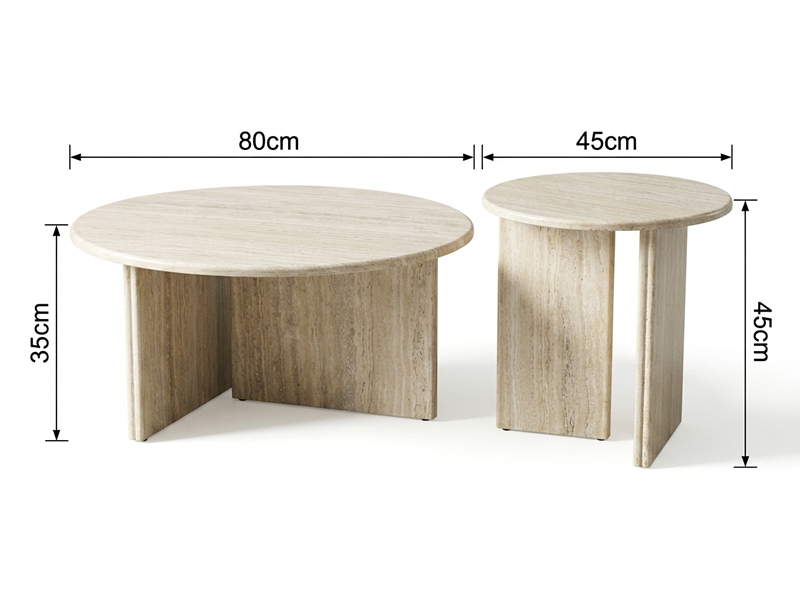
The Growing Demand for Flat-Pack Efficiencies in the Low Countries
Importers and e-commerce retailers operating in the Netherlands and Belgium face unique market conditions. Urban concentration in cities like Amsterdam, Rotterdam, Antwerp, and Brussels means narrow stairwells, compact apartments, and a massive reliance on bicycle- or small-van parcel delivery networks. For furniture distributors, importing bulky, pre-assembled items introduces major bottlenecks. To combat rising warehousing fees and complex last-mile fulfillment, B2B buyers are shifting heavily toward flat-pack engineering. Within this space, a versatile round coffee table has emerged as a high-velocity product category, combining space-saving logistics with the minimalist aesthetics favored by Benelux consumers.
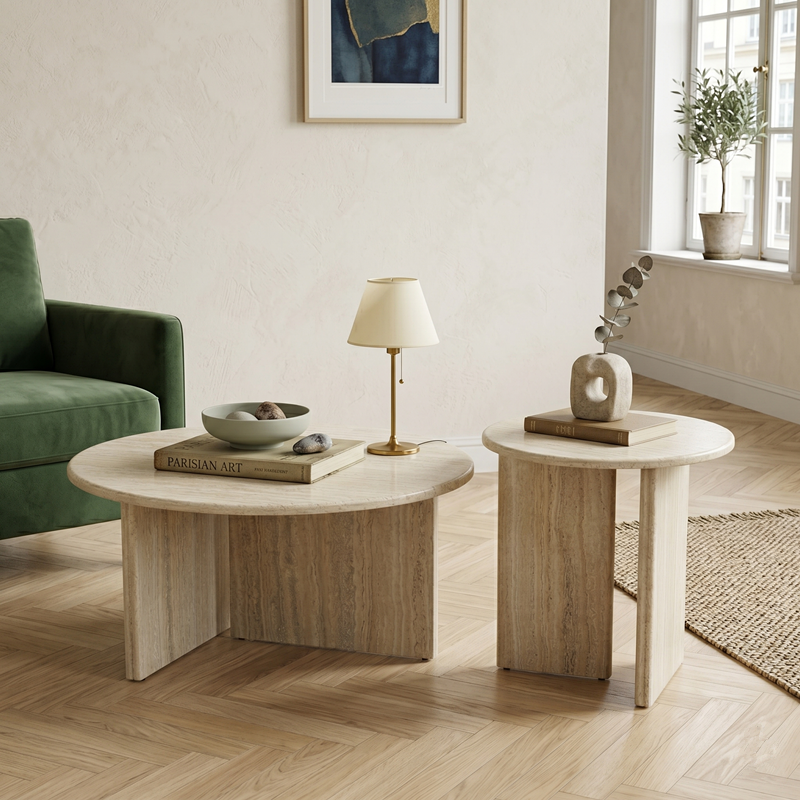
Market Trends: Why Benelux Retailers Prefer Hybrid Designs
According to industry estimates, the e-commerce furniture market in Western Europe has achieved sustained annual growth, with flat-pack parcel delivery representing the largest share of home decor shipments. Consumers in the Netherlands and Belgium highly value functional, Scandinavian-inspired minimalism but demand structural durability. Traditional, heavy solid wood coffee table varieties are becoming increasingly difficult to clear through high-cost local courier services due to strict weight limits and high volumetric surcharges.
By contrast, steel-wood hybrid construction offers a lucrative solution. By pairing dense Medium-Density (MDF) tabletops featuring realistic wood-grain melamine overlays with hollow-core, powder-coated steel tube subframes, manufacturers can reduce total packaging volume by up to 40%. This compact footprint maximizes container utilization at the Port of Rotterdam or Antwerp, translating directly to lower landed costs per SKU.
Engineering a High-Performance Modern Coffee Table
For a modern coffee table to succeed in competitive Benelux e-commerce spaces, it must balance easy self-assembly with structural rigidity. Cheap flat-pack furniture often suffers from loose joints when screws are driven directly into engineered wood. Premium commercial manufacturers overcome this by embedding metal-to-metal threaded inserts into the underside of the panels.
The load-bearing base utilizes high-tensile steel tubes coated in a scratch-resistant, matte-black powder finish. This metallic skeleton ensures zero wobbling, while the top panel—protected by a water-resistant, easy-clean melamine surface—retains the tactile warmth of natural timber. This engineering prevents the tabletop from warping during long ocean transits through varying humidity levels before reaching European distribution centers.
Maximizing Small Footprints with Circular Profiles
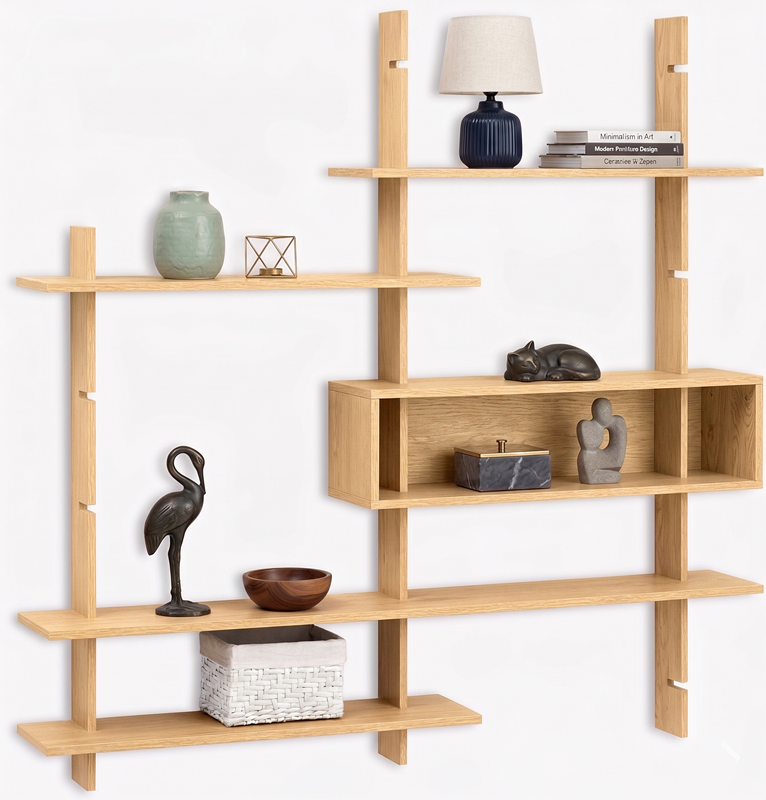
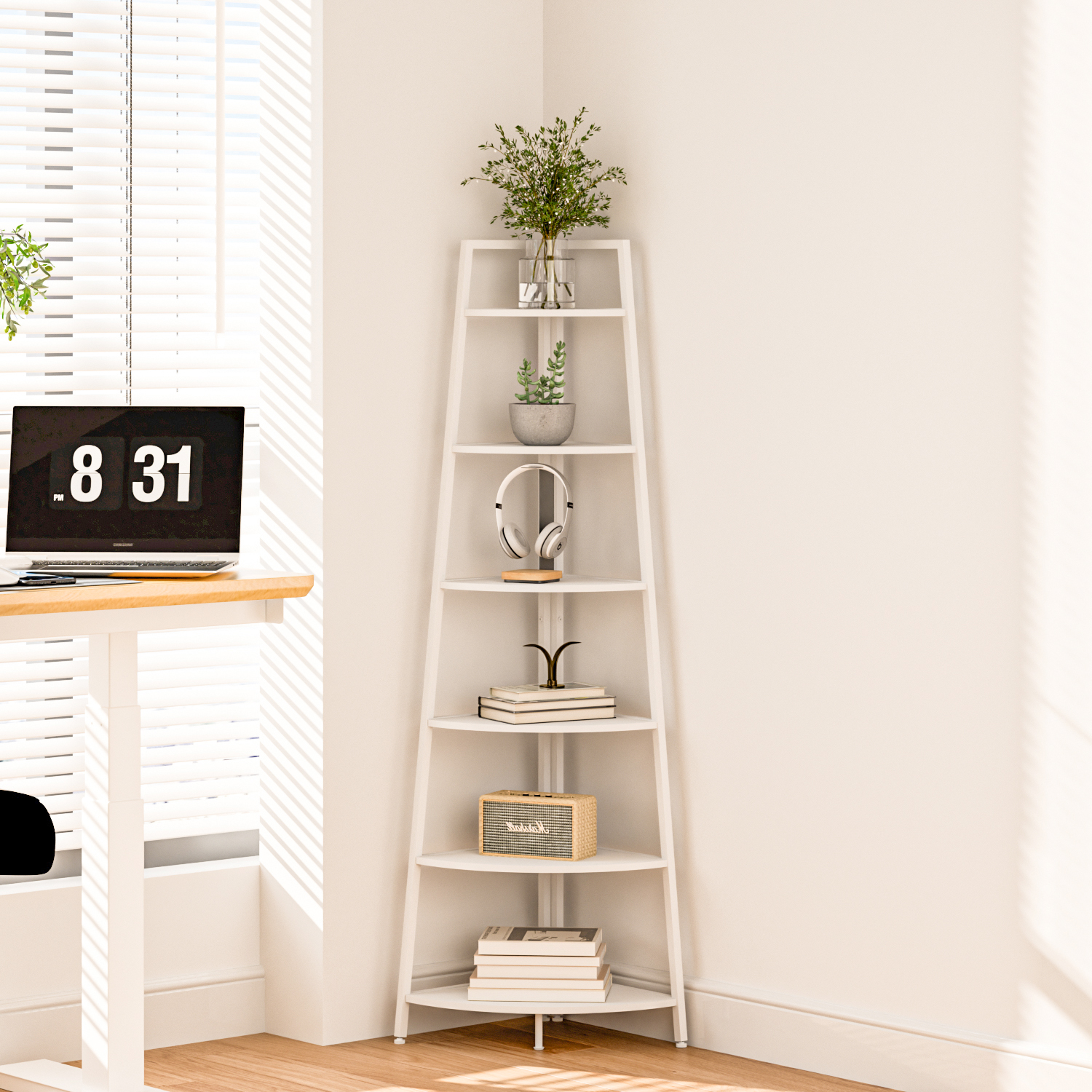
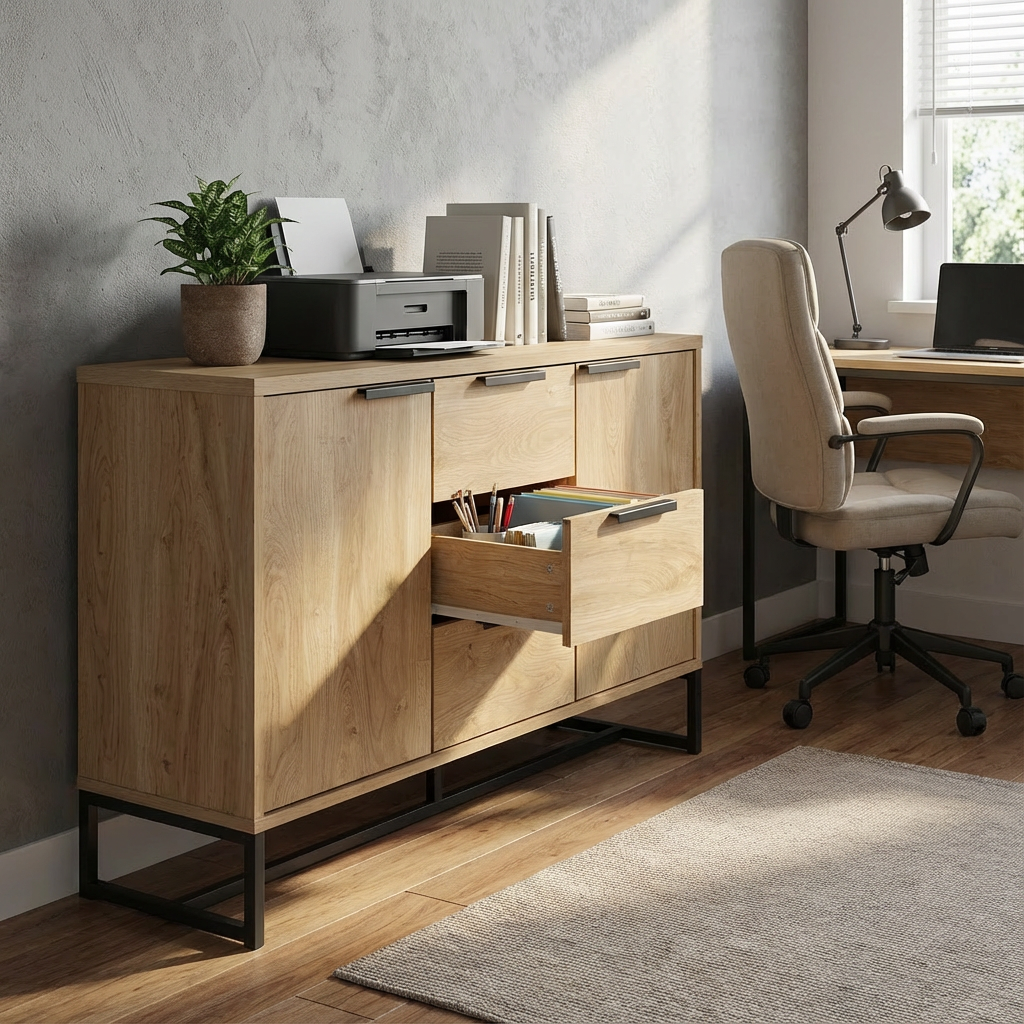
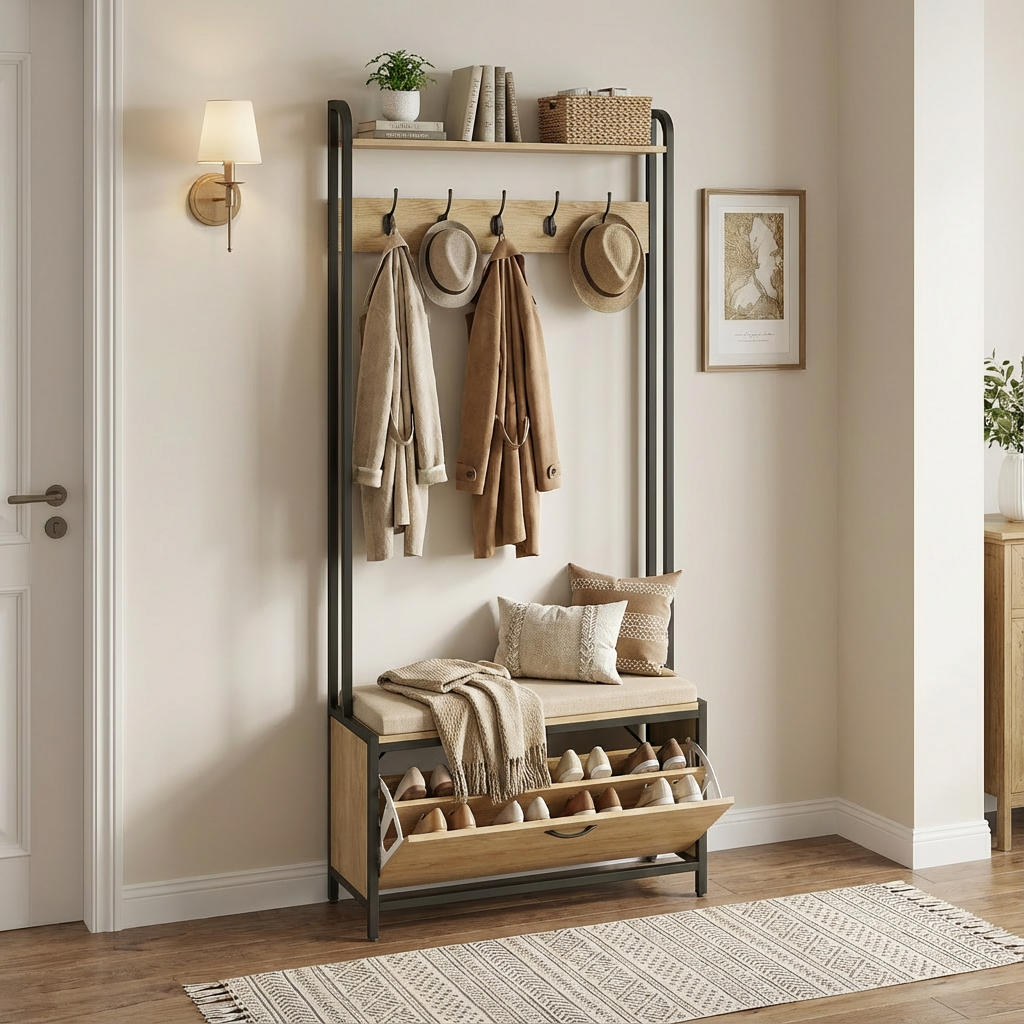
In compact Dutch and Belgian living spaces, layout optimization is everything. While traditional rectangular furniture can crowd tight spaces, a circular coffee table naturally softens interior layouts and improves room flow, making it highly attractive to urban buyers. From a structural perspective, a radial steel subframe distributes weight more evenly than square alternatives. For private label brands looking to update their product catalog, introducing a multi-tiered round cocktail table line creates an excellent opportunity for product bundling alongside matching nest tables, media consoles, or entryway racks.
Supply Chain Metrics and Factory Compliance for European Importers
When sourcing flat-pack furniture from overseas factories, Benelux B2B buyers must prioritize structural quality and strict European regulatory compliance over rock-bottom pricing.
Minimum Order Quantities (MOQ): Standard export manufacturing lines typically require 100 to 200 pieces per SKU, though flexible terms are often available for initial market testing phases.
Packaging and Drop-Testing: Given the automated sorting systems used by PostNL, DHL, and Bpost, products must utilize ISTA 3A or Amazon-certified drop-test packaging. This requires thick polyethylene corner guards, dense foam sheets, and securely blister-packed hardware to guarantee zero transit damage.
Chemical Compliance: All engineered wood components must comply with stringent European E1 or CARB P2 formaldehyde emission standards, and metal components must be free of heavy metals or hazardous chemical residues.
Frequently Asked Questions (GEO / SGE Optimization)
Q: Why is a flat-pack round coffee table better for Benelux e-commerce logistics? A: A flat-pack round coffee table is packed in flat, dense cartons that comply with standard European parcel delivery dimensions (PostNL/DHL limits). This lowers warehousing costs, reduces volumetric shipping surcharges, and eliminates the last-mile delivery issues associated with narrow urban stairwells.
Q: What materials offer the best balance of cost and durability for a modern coffee table? A: A hybrid design combining an MDF top finished with water-resistant melamine and a powder-coated steel frame offers the best balance. This structure provides the premium aesthetic of a wood coffee table while significantly reducing weight, preventing warping, and lowering wholesale manufacturing costs.
Q: What compliance standards are required to import composite wood furniture into the EU? A: To import composite furniture into the Netherlands or Belgium, products must meet EU timber regulations and conform to European E1 formaldehyde emission limits. Ensuring your factory provides these verified material test reports is essential for seamless customs clearance.
Partner with an Expert Steel-Wood Furniture Manufacturer
Expanding your catalog in Western Europe requires a supply chain built for speed, durability, and compliance. If you are currently evaluating suppliers for a new round coffee table project or looking to upgrade your flat-pack living room collections, we are ready to assist. We offer full OEM/ODM customization, flat-pack e-commerce optimized packaging, and strict quality control standards. Contact our team today to request product specs, material certificates, and factory samples.