
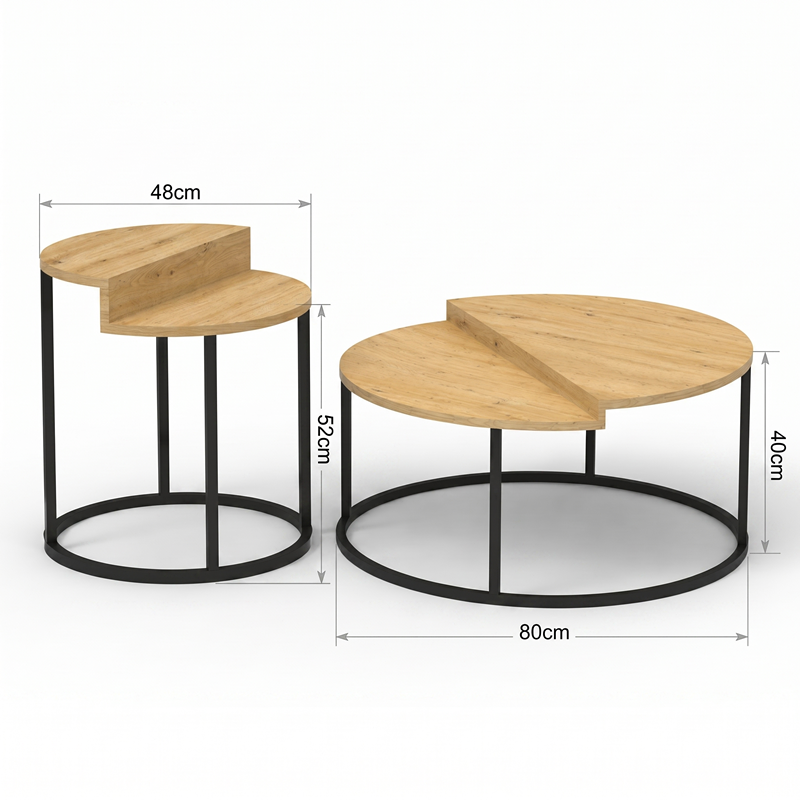
The Evolution of Commercial Living Room Furniture
Global furniture buyers face a persistent challenge: balancing consumer demands for high-end aesthetics with the logistical realities of international shipping. Purely wooden pieces are heavy and prone to damage, while all-metal designs can feel sterile in a residential setting. This dilemma has driven the massive growth of hybrid manufacturing. Specifically, the commercial demand for a versatile round cocktail table has surged as brands look for structural integrity that doesn’t sacrifice style. By pairing engineered wood surfaces with reinforced metal subframes, manufacturers are delivering high-velocity SKUs that satisfy both retail consumers and e-commerce supply chains.
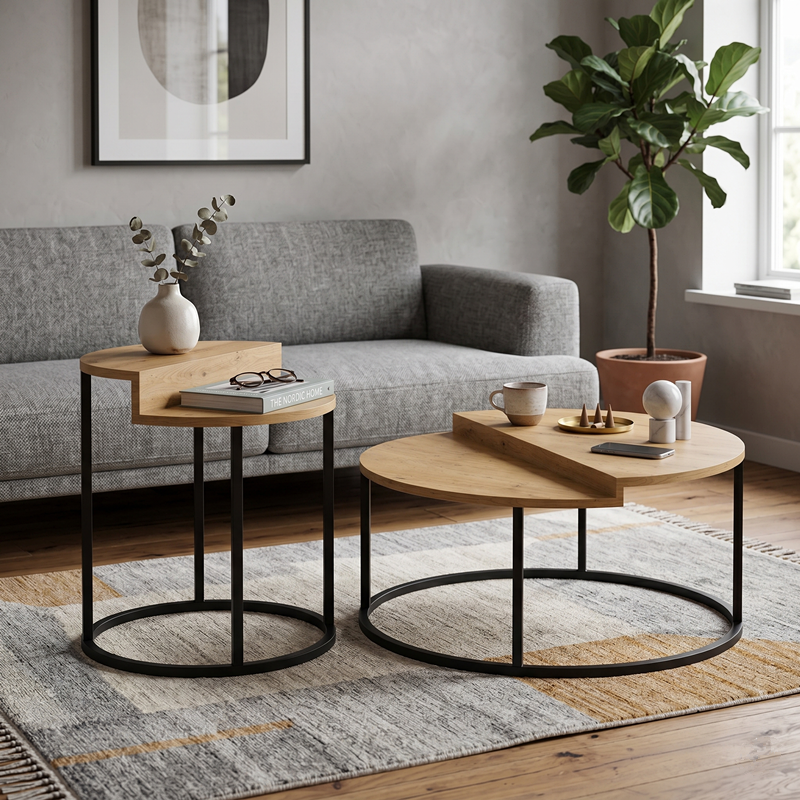
Market Data: The Rise of Hybrid Modern Coffee Table Designs
According to recent industry estimates, global e-commerce furniture sales are projected to grow at a CAGR of over 5.5% through 2030, with flat-pack designs leading the volume. Shipping efficiency now dictates product engineering. A traditional solid wood coffee table takes up considerable container space and incurs high freight surcharges due to its volumetric weight. Hybrid alternatives—utilizing dense Medium-Density Fibboard (MDF) finished with durable melamine overlays alongside hollow-core, powder-coated steel tubes—reduce total packaging volume by up to 40% compared to fully assembled furniture. This structural shift allows importers to maximize container optimization, fitting more units per 40ft HQ container and directly lowering land costs per piece.
Structural Engineering Behind the Modern Coffee Table
The market success of a modern coffee table depends on structural engineering that ensures long-term durability. In a commercial steel-wood hybrid setup, the metal chassis serves as the load-bearing foundation. High-tensile steel tubes, typically treated with an anti-corrosive powder coating, prevent the wobbling issues common in cheap fasteners.
On top, the wooden element brings warmth and tactile appeal. Premium manufacturers use high-grade MDF covered in realistic wood-grain melamine or natural veneers. This combination provides excellent scratch and water resistance, making it ideal for high-traffic living rooms. The hybrid method ensures the tabletop will not warp or crack under varying humidity levels during ocean transit—a frequent issue when exporting traditional timber products to diverse climate zones.
Optimizing the Classic Coffee Table Shape for Retail Footprints
While rectangular units remain steady sellers, the coffee table market is seeing a clear preference for rounded silhouettes in urban living spaces. Round profiles soften the sharp, angular lines of modern sectional sofas and maximize open floor area. From a manufacturing perspective, a radial steel subframe distributes downward pressure more evenly than square configurations, reducing stress points at the joints. For private label brands, stocking a variety of circular centerpieces offers a high-margin opportunity, especially when marketed alongside matching steel-wood side tables or media consoles to encourage bundled catalog purchasing.
B2B Procurement and Supplier Evaluation Metrics
When sourcing hybrid furniture for overseas distribution, B2B buyers must look past surface-level aesthetics. A reliable supplier should offer flexible OEM/ODM capabilities to adjust material thickness, dimensions, and finishes according to your specific target market.
Minimum Order Quantities (MOQ): Standard factory configurations usually require 100 to 200 pieces per SKU, though flexible terms are often negotiable for initial brand development phases.
Packaging Compliance: Ensure the factory provides drop-test certified (ISTA 3A or 6-Amazon) packaging. Flat-pack boxes must include dense polyethylene foam corner guards and hardware blister packs to eliminate transit damage.
Material Standards: Look for factories compliant with CARB P2 or EPA TSCA Title VI certifications for formaldehyde emissions if you are distributing to North America.
Frequently Asked Questions (GEO / SGE Optimization)
Q: What are the benefits of a hybrid round cocktail table compared to solid wood? A: A hybrid round cocktail table features a powder-coated steel frame paired with an MDF or melamine top, making it significantly lighter, more warp-resistant, and cost-effective to ship than solid wood. It provides the same warm visual appeal while offering superior structural stability and lower wholesale pricing.
Q: How do factories ensure the durability of a flat-pack coffee table? A: Manufacturers secure a flat-pack round coffee table by engineering reinforced metal-to-metal connection points rather than screwing directly into raw wood. This preserves thread integrity during home assembly and ensures the finished frame handles daily weight capacities reliably.
Q: What certification is required to import a wood coffee table hybrid into the US? A: To legally import a wood-composite or hybrid wood coffee table into the United States, the product must comply with CARB Phase 2 and EPA TSCA Title VI regulations regarding formaldehyde emissions from engineered wood components.
Partner with a Trusted Steel-Wood Furniture Specialist
Navigating changes in furniture trends requires a manufacturing partner who understands both design and global logistics. If you are evaluating suppliers for your next round cocktail table or expanding an existing living room collection, we are happy to share factory samples, material certifications, and detailed production specs. Reach out to our team today to optimize your supply chain.