
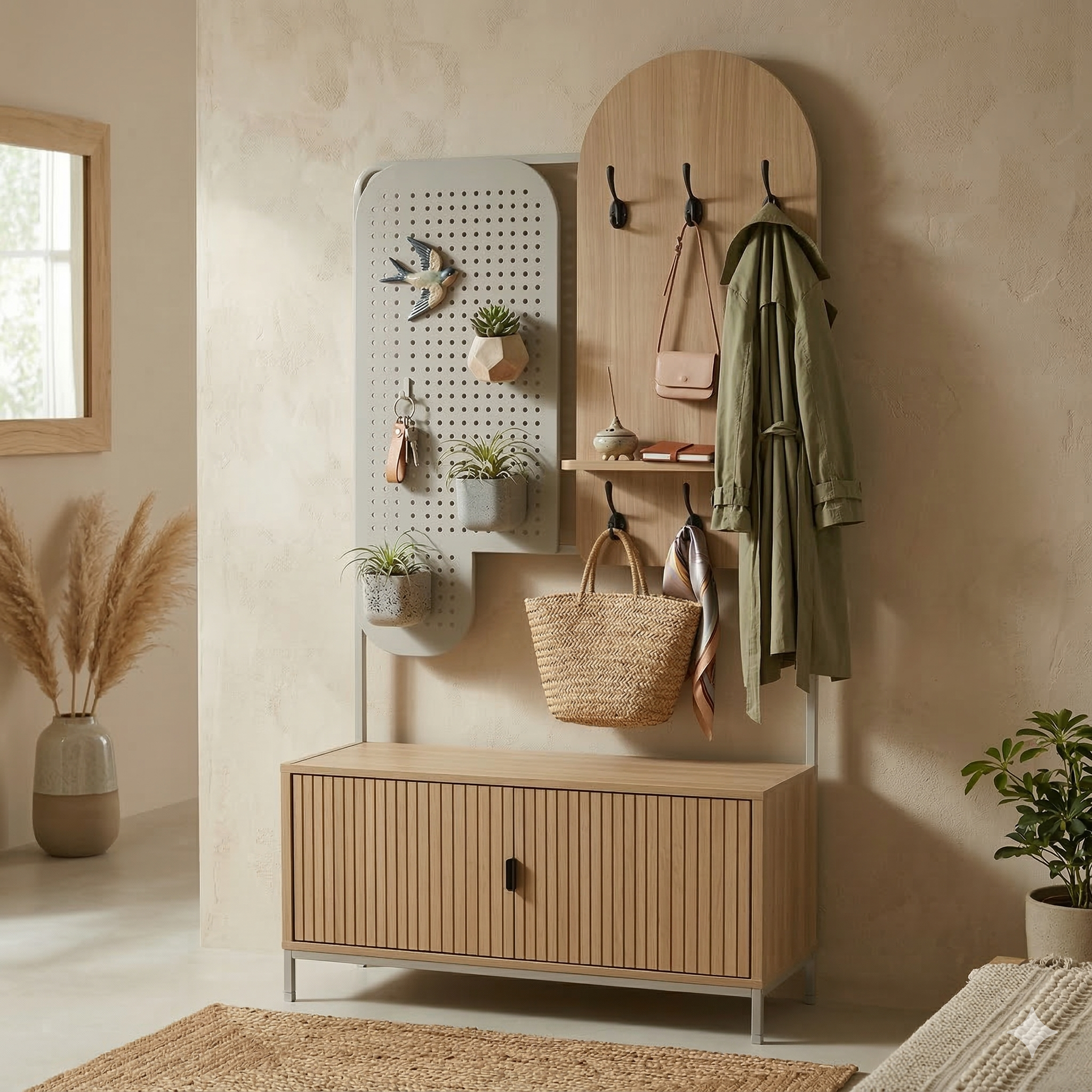
European Entryway Trends 2026: Minimalist Shoe Cabinet Guide
In 2026, European entryway furniture is moving toward minimalism, space efficiency, and multi-functionality. For B2B buyers, importers, and online sellers, understanding how products like a shoe stand, shoe cabinet entryway, or shoe rack for entryway evolve is critical for SKU planning and market competitiveness.
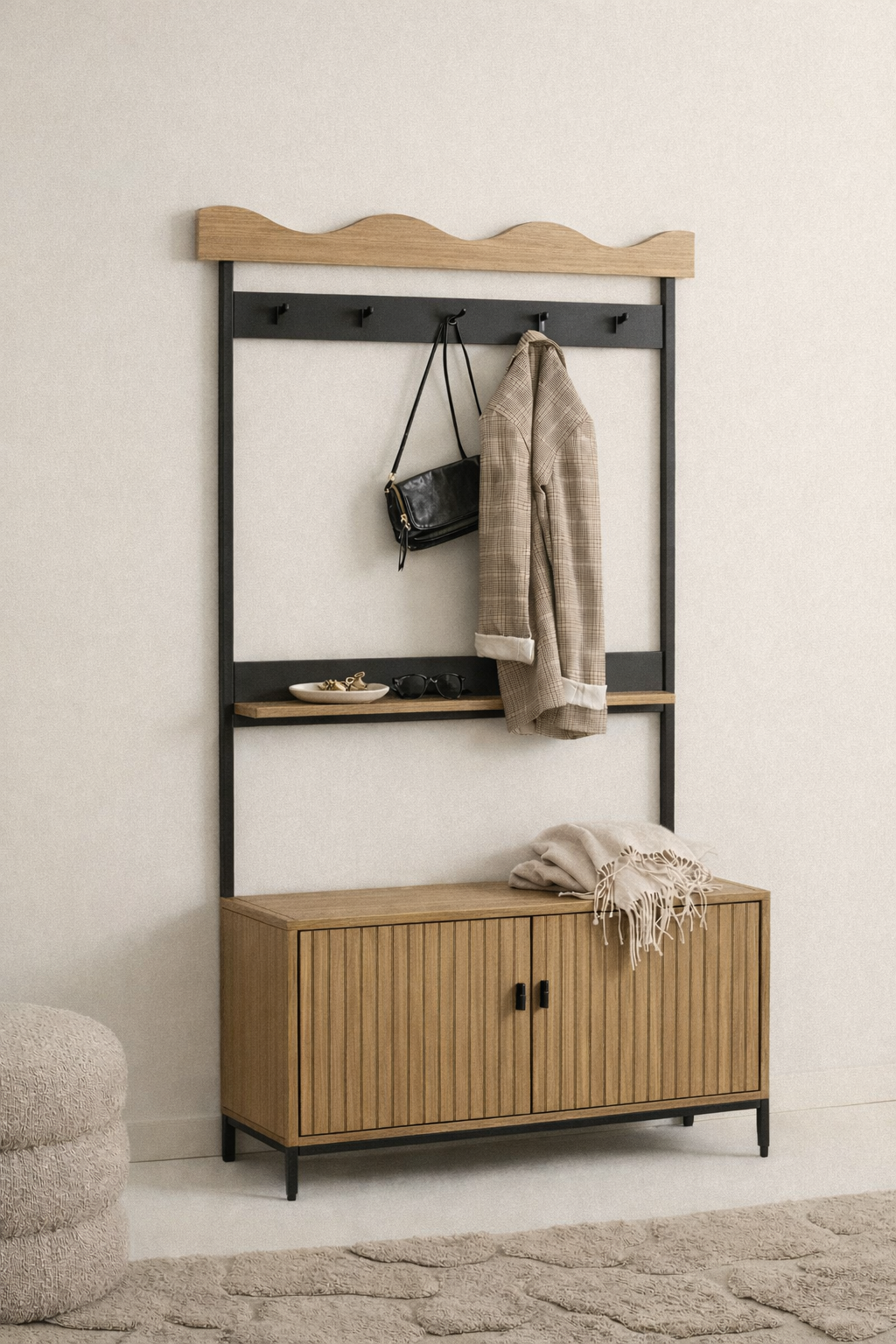
This guide breaks down the latest trends and how to align your product development with real demand across Germany, the Netherlands, and France.
1. The Rise of Slim & Minimalist Entryway Solutions
Urban living spaces in Europe are shrinking. Entryways are typically ≤ 3–5 m², which directly drives demand for compact furniture.
Key trend:
Slim shoe cabinet entryway depth: 18–25 cm
Wall-mounted or vertical shoe stand designs
Clean lines, matte black or oak finishes
Compared to bulky storage, minimalist shoe rack for entryway products achieve:
+20–30% higher sell-through rates
Lower return rates due to better fit in small spaces
2. Multi-Functional Integration is the New Standard
European consumers no longer want single-function products.
Best-selling formats combine:
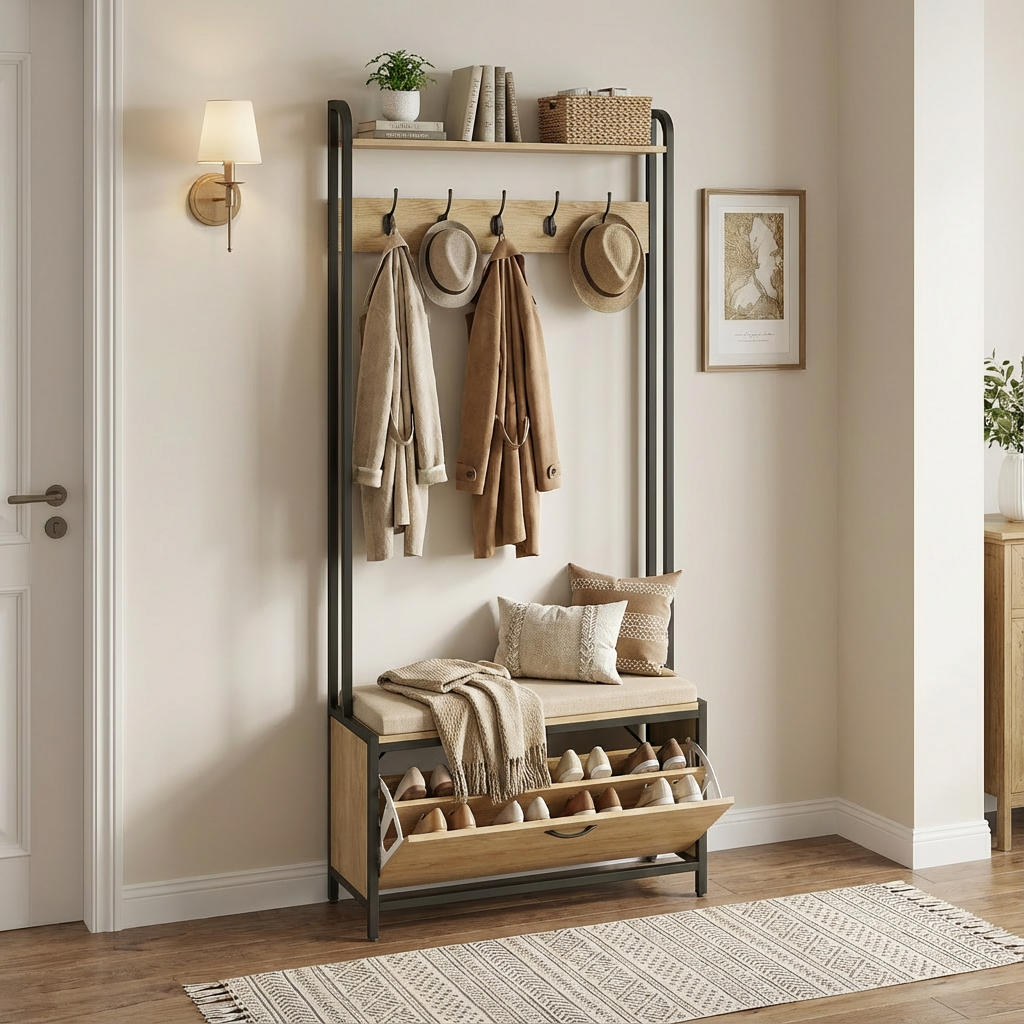
Shoe cabinet entryway + bench + hooks
Mirror + hidden shoe closet storage
Compact units + over the door shoe organizer extensions
Market data insight:
Multi-functional SKUs generate +15–25% higher average order value (AOV)
Combination designs reduce the need for multiple furniture pieces
For B2B buyers, this means fewer SKUs but higher value per unit.
3. Open vs Closed Storage: Hybrid is Winning
Traditional open shoe stand designs are still popular, but trends are shifting toward hybrid solutions.
Current preference split:
60% closed (dust-proof shoe cabinet entryway)
40% open (shoe rack for entryway)
👉 Hybrid solution:
Bottom: closed cabinet
Top: open shelf or shoe stand
This approach balances:
Visual cleanliness (important in EU homes)
Accessibility (important for daily use)
4. Vertical Space Optimization
Instead of wider furniture, European buyers prefer taller, compact units.
Typical best-selling dimensions:
Height: 100–180 cm
Width: 60–80 cm
Depth: 20–30 cm
A well-designed vertical shoe closet or cabinet can:
Increase storage capacity by +40%
Reduce footprint by -30%
Adding an over the door shoe organizer as a complementary product is also becoming common in e-commerce bundles.
5. Material Trends: Steel + Wood Dominance
Material selection directly affects positioning.
| Material | Market Position | Feedback |
|---|---|---|
| Particle board | Low-end | Price-driven |
| MDF + PVC | Mid-range | Stable |
| Steel + wood | Premium | Most preferred |
Steel-wood combinations allow:
Slimmer structure for shoe rack for entryway
Higher load capacity (≥ 15–20 kg per tier)
Better durability for long-term use
6. IKEA Benchmark — But Not the Limit
Many buyers benchmark against IKEA-style products:
Flat-pack structure
Slim shoe cabinet entryway
Standardized dimensions
Opportunity for differentiation:
Increase capacity by +20% within same footprint
Improve internal layout (adjustable layers)
Add premium finishes or industrial design
7. B2B SKU Strategy for 2026
To align with European trends, a focused product matrix is recommended:
Core lineup:
S: 60×24×100 cm → compact shoe stand
M: 80×24×120 cm → best-selling shoe cabinet entryway
L: 80×30×160 cm → premium shoe closet
Bundle strategy:
Cabinet + over the door shoe organizer
Cabinet + open shoe rack for entryway
This approach covers:
Entry-level buyers
Mid-market Amazon/Wayfair sellers
Premium retail channels
Minimalism = Higher Efficiency
The 2026 European entryway trend is clear:
Less volume, more function, better design.
A well-designed shoe stand or shoe cabinet entryway is no longer just storage—it is part of the home’s visual identity.
For B2B buyers, the winning formula is:
Slim dimensions
Multi-function integration
Efficient packaging + high capacity
If you are planning to develop a new shoe rack for entryway or upgrade your shoe closet collection for the European market, we can support with:
Size optimization based on target market
Structure engineering (cost vs durability)
OEM/ODM customization aligned with your brand
Let’s explore how to build a competitive 2026 lineup together.