
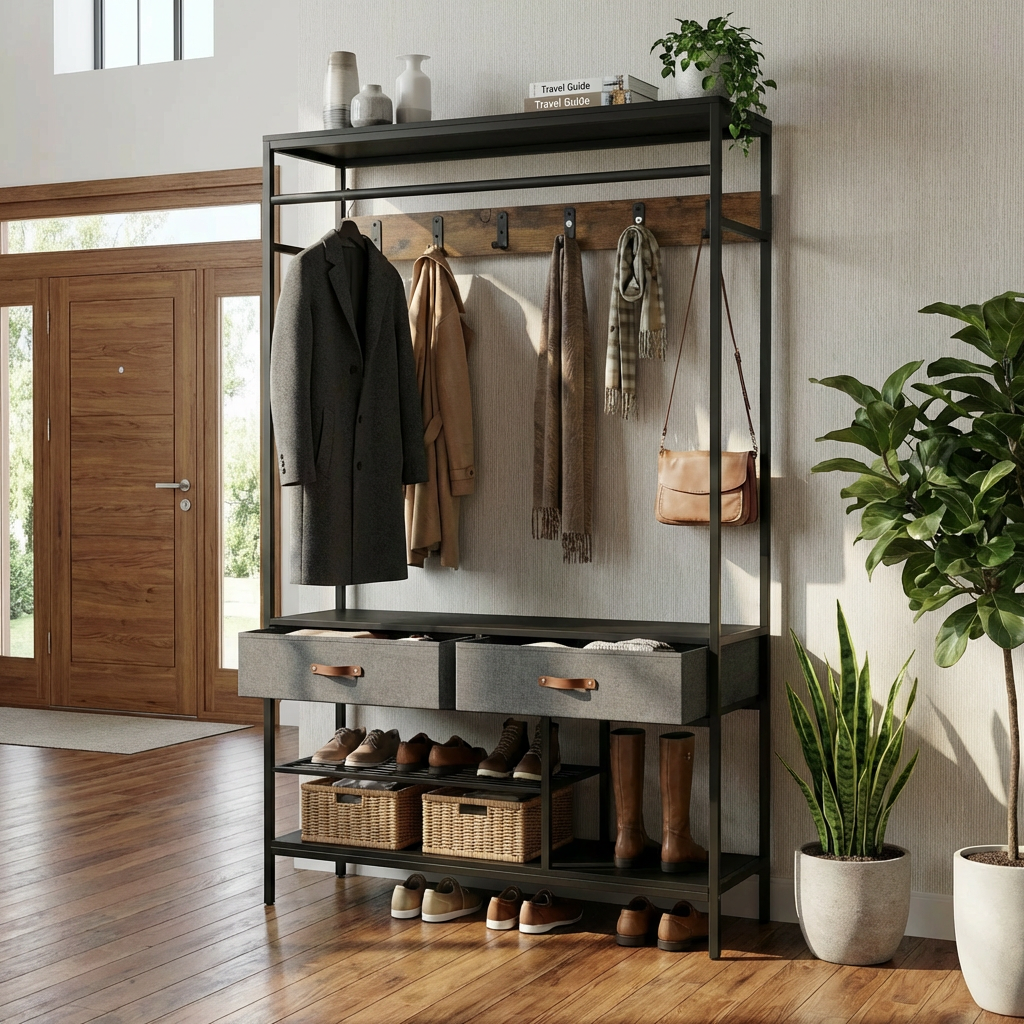
What Size Shoe Cabinet Do You Need? A Complete Guide
For B2B buyers, importers, and online sellers, choosing the right size for a shoe organizer or cabinet is not just about aesthetics—it directly impacts logistics cost, SKU efficiency, and customer satisfaction
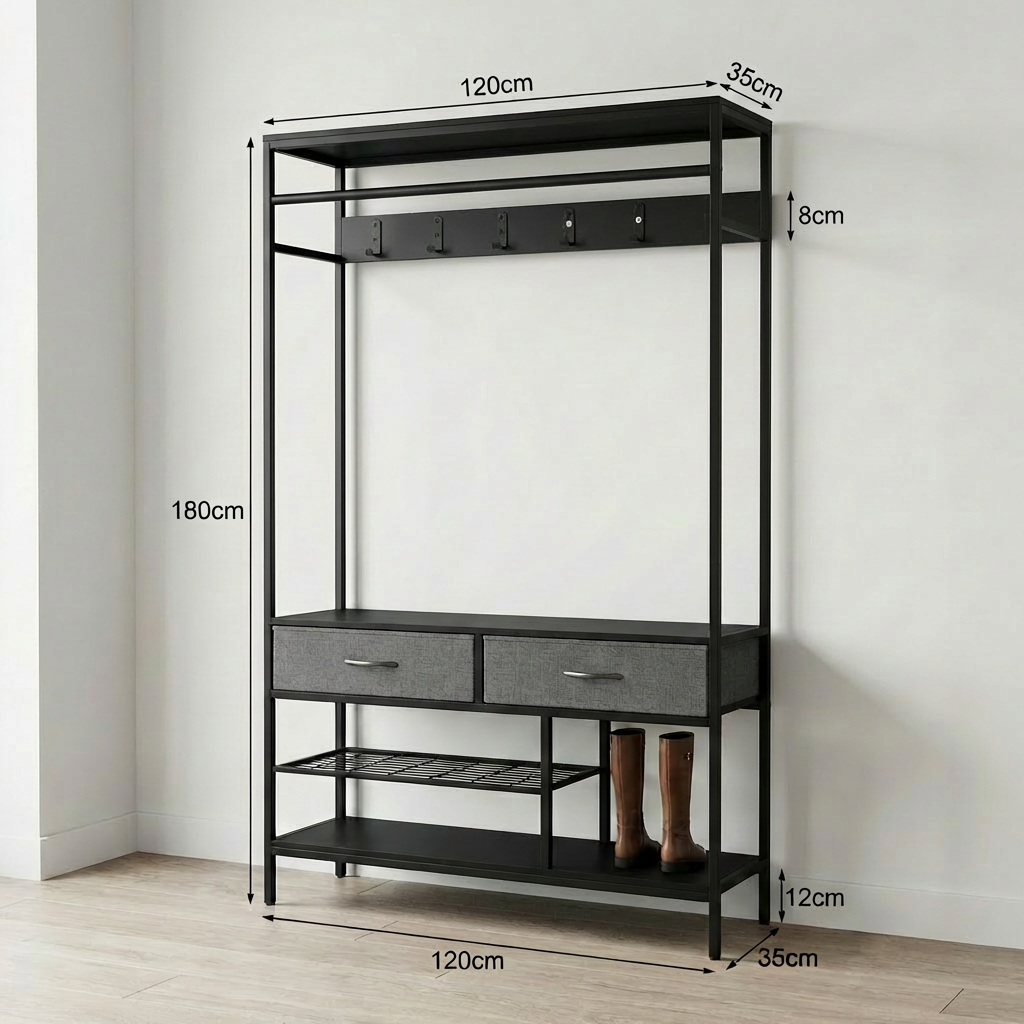
This guide breaks down how to select the optimal size for different markets and use scenarios, whether you're sourcing a shoe shelf, benchmarking an IKEA shoe rack, or developing an entryway shoe storage solution.
1. Understand Capacity vs. Footprint
A common mistake is focusing only on external dimensions. The real KPI is pair capacity per cubic meter (pairs/m³).
Typical benchmarks:
Slim flip-drawer cabinet (depth 18–25 cm): 12–24 pairs
Standard cabinet (depth 30–35 cm): 20–40 pairs
Open shoe shelf: 15–30 pairs depending on tiers
Large shoe organizer for closet: 30–60 pairs
👉 Efficiency formula (for buyers):
Capacity ÷ CBM = storage efficiency
A well-designed entryway shoe storage unit should reach ≥ 80 pairs/m³ for competitive markets like Germany and the Netherlands.
2. Depth: The Most Critical Dimension
Depth determines both usability and shipping cost.
| Type | Recommended Depth | Market Insight |
|---|---|---|
| Slim flip | 18–25 cm | Best for EU apartments |
| Standard cabinet | 30–35 cm | US & mid/high-end EU |
| Closet shoe organizer for closet | 40–50 cm | Walk-in closets |
Key insight:
European customers strongly prefer slim shoe organizer designs due to smaller entryways. Oversized depth (>35 cm) reduces sell-through in markets like the Netherlands.
3. Height & Tier Configuration
Instead of increasing width, vertical design improves efficiency.
Popular configurations:
3-tier flip cabinet → ~90–110 cm height
4-tier cabinet → ~120–140 cm height
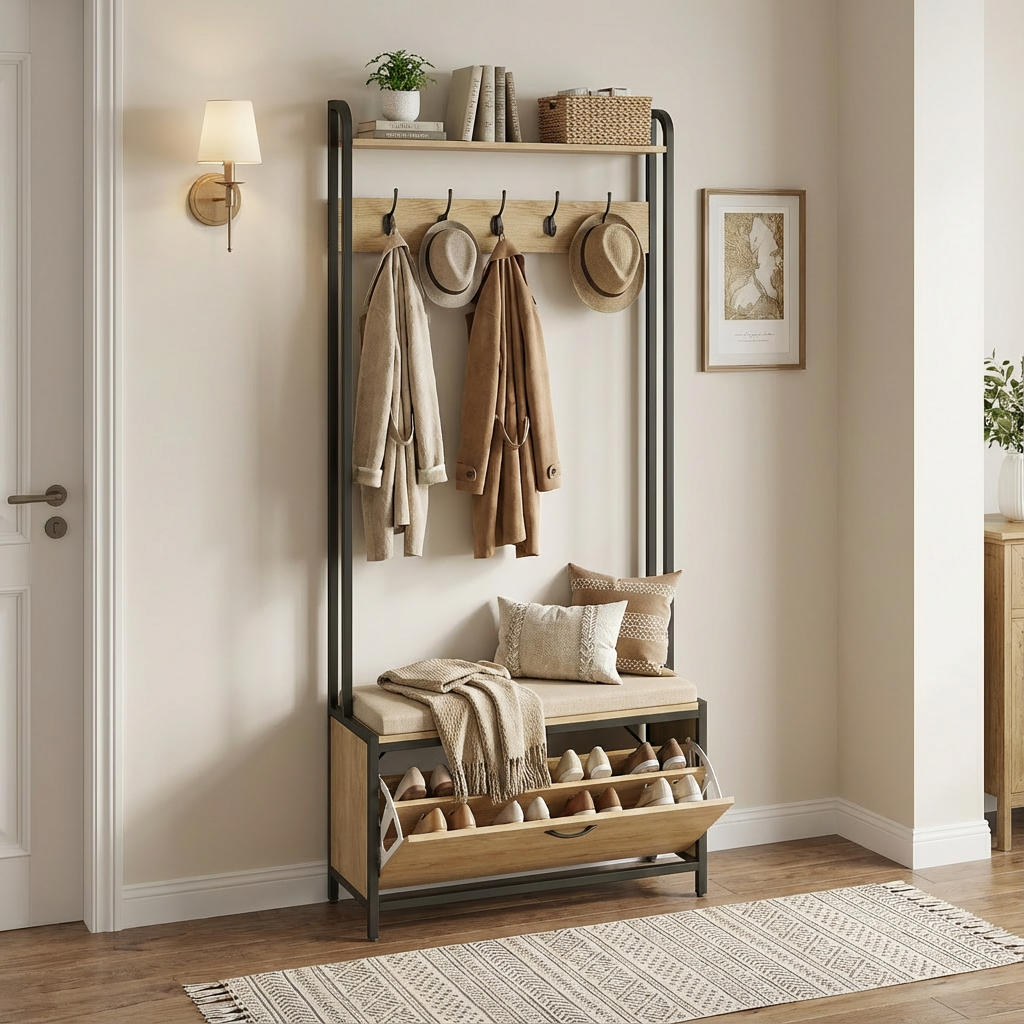
Combined entryway shoe storage (bench + hooks + cabinet) → 160–180 cm
Golden ratio for best-selling SKUs:
Height: 100–140 cm
Width: 60–100 cm
Depth: 20–30 cm
This size range balances:
Container loading efficiency
Last-mile delivery (parcel-friendly under 30kg)
Consumer usability
4. Width Optimization for Packaging
From a B2B perspective, width affects carton size and shipping cost.
Standard export-friendly widths:
60 cm → compact SKU (Amazon-friendly)
80 cm → best-selling universal size
100 cm → high-capacity premium segment
📦 Container optimization tip:
80 cm width cabinets often achieve +8–12% loading efficiency vs 75 cm non-standard designs.
5. Scenario-Based Size Selection
Entryway (High turnover market)
Depth: 18–25 cm
Width: 60–80 cm
Focus: space-saving + aesthetics
Best format: flip drawer shoe organizer
Closet / Bedroom Storage
Depth: 30–50 cm
Width: 80–120 cm
Focus: capacity & accessibility
Best format: open shoe shelf or modular shoe organizer for closet
6. Benchmarking Against IKEA-Level Products
Many buyers use IKEA shoe rack dimensions as a baseline:
Depth: ~22 cm (slim models)
Width: 80–100 cm
Flat-pack optimized
Opportunity for differentiation:
Increase capacity by +20–30% without increasing footprint
Add multi-function (bench + hooks + mirror)
Improve material (steel + MDF vs particle board)
7. Material & Structure Impact on Size
Different materials affect structural limits:
| Material | Max Recommended Width | Notes |
|---|---|---|
| MDF only | ≤ 80 cm | Risk of deformation |
| Steel + MDF | ≤ 120 cm | Best for B2B durability |
| Particle board | ≤ 100 cm | Cost-effective |
Your steel-wood structure allows:
Thinner panels
Higher load capacity
Better long-term stability
👉 This is a strong selling point for premium entryway shoe storage products.
8. Final Sizing Strategy for B2B Buyers
If you're building a product line:
Core SKU matrix:
S (60×24×100 cm) → entry-level
M (80×24×120 cm) → best-seller
L (100×30×140 cm) → premium
This structure covers:
80% of EU demand
70% of online platform searches (Amazon/Wayfair)
Multiple use cases: entryway + closet
Size = Sales + Logistics + UX
The right size is not just a design decision—it’s a commercial strategy. A well-balanced shoe organizer or shoe shelf improves:
Conversion rate
Customer satisfaction
Shipping efficiency
If you're planning to develop or upgrade your entryway shoe storage or shoe organizer for closet collection, we can support with:
Size optimization based on your target market
Structure engineering (cost vs durability balance)
OEM/ODM customization for your brand positioning
Feel free to reach out for tailored solutions or sample development.