
In modern apartments and compact homes, entryway storage has become an essential furniture category. Retailers, importers, and online furniture sellers are increasingly evaluating whether shoe racks or a shoe storage cabinet for entryway performs better in the market.
Both products address the same consumer need—organizing footwear—but they serve different spaces, lifestyles, and price segments. Understanding these differences helps buyers choose the right product mix for retail or e-commerce channels.
Shoe Cabinet vs Shoe Rack: Which One Is Better for Modern Homes?
1. Structural Differences Between Shoe Racks and Shoe Cabinets
The most obvious difference lies in structure.
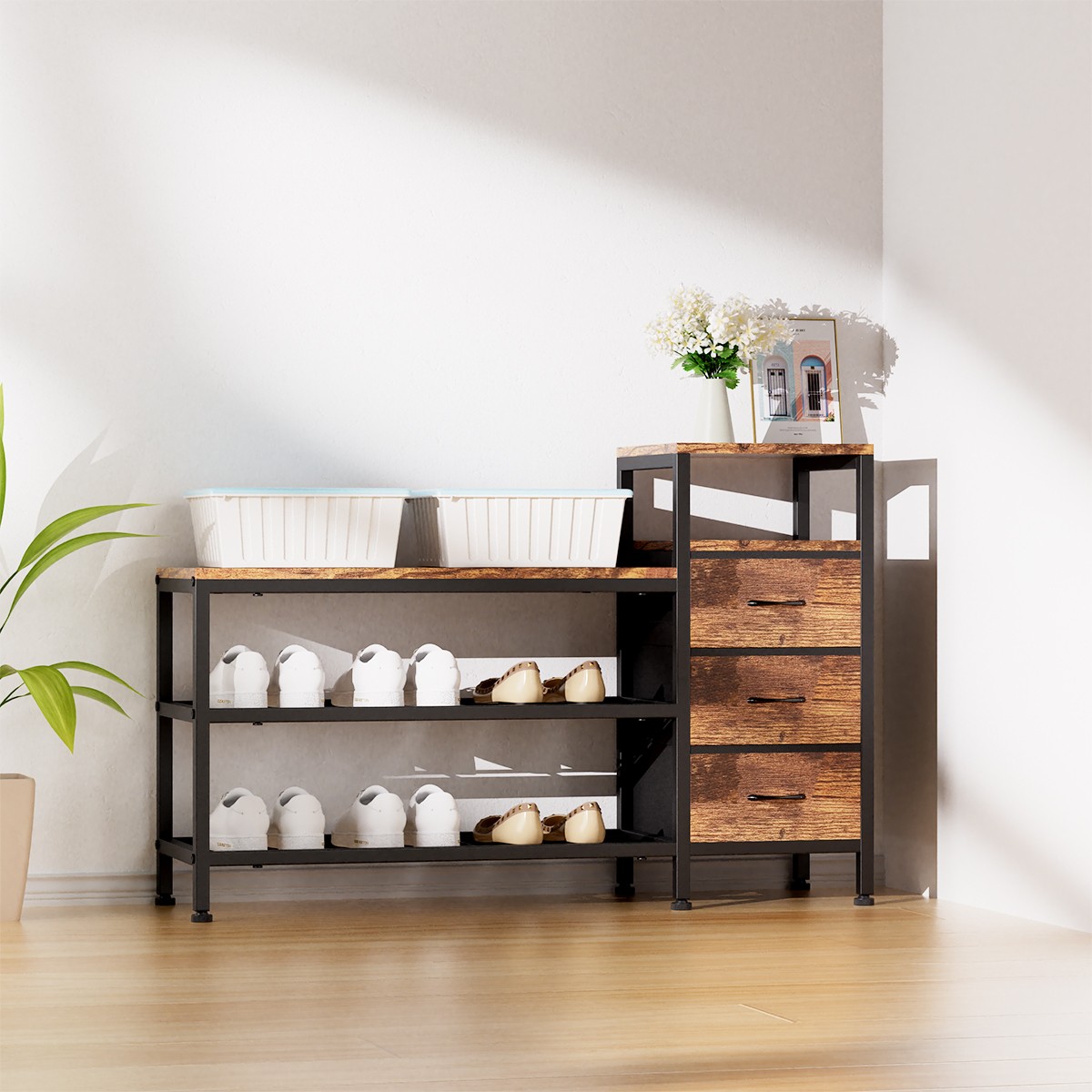
Shoe racks are typically open-frame storage units designed for quick access and flexible placement. Many models use lightweight materials such as steel tubing or engineered wood shelves.
Typical specifications for common shoe racks include:
| Parameter | Typical Range |
|---|---|
| Width | 60–90 cm |
| Depth | 25–35 cm |
| Height | 60–120 cm |
| Storage capacity | 8–20 pairs |
Because of their open structure, a small shoe rack can be placed in entryways, bedrooms, or closets.
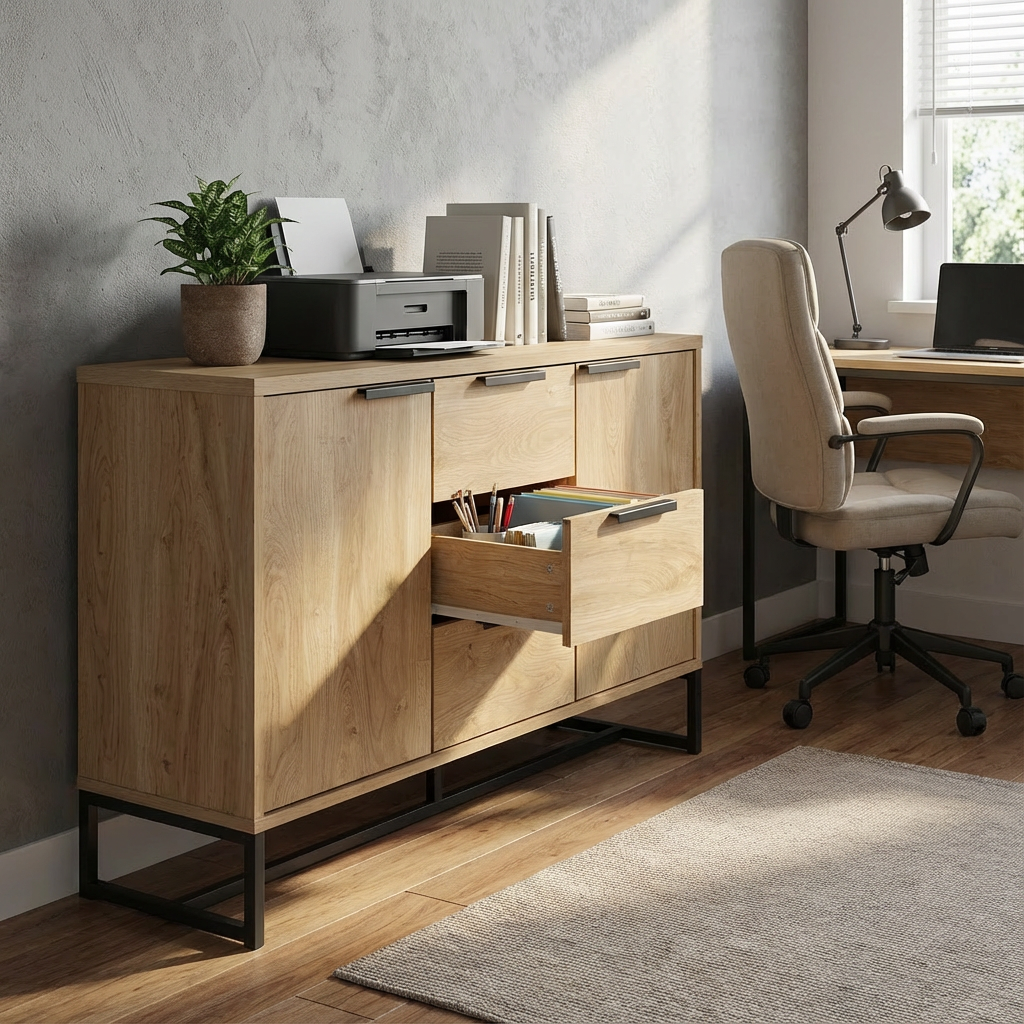
A shoe storage cabinet for entryway, on the other hand, features enclosed doors or flip drawers. These cabinets often have a slimmer profile (around 20–25 cm depth) and are designed to hide shoes while maintaining a clean hallway appearance.
For many urban homes, both solutions coexist: a shoe rack for closet for everyday rotation and a cabinet in the entryway for visual organization.
2. When Shoe Racks Are the Better Choice
For many households, shoe racks remain one of the most practical and cost-efficient solutions.
Easy Access and Ventilation
An open small shoe rack allows shoes to dry and ventilate naturally. This makes them particularly suitable for sports shoes, children's footwear, or frequently worn items.
Flexible Placement
Because of their lightweight design, a shoe rack for closet can be placed inside wardrobes or utility rooms without requiring significant space.
Lower Retail Price
Typical manufacturing costs for shoe racks are 20–35% lower than enclosed cabinets due to simpler structures and fewer panels.
This makes them attractive for budget-conscious consumers and entry-level furniture collections.
3. The Advantages of Shoe Storage Cabinets
While shoe racks offer convenience, cabinets provide a different set of benefits that appeal to design-focused buyers.
Cleaner Entryway Appearance
A shoe storage cabinet for entryway hides shoes behind doors, reducing visual clutter and improving hallway aesthetics.
Space Efficiency
Modern cabinets often use flip-drawer systems, allowing a depth of only 22–25 cm while still storing up to 12–16 pairs of shoes.
Higher Perceived Value
In retail environments, a well-designed cabinet can achieve 30–50% higher perceived value compared with basic small shoe rack products.
For furniture brands targeting modern interior styles, cabinet-based storage is often the preferred option.
4. Hybrid Entryway Solutions: Coat and Shoe Racks
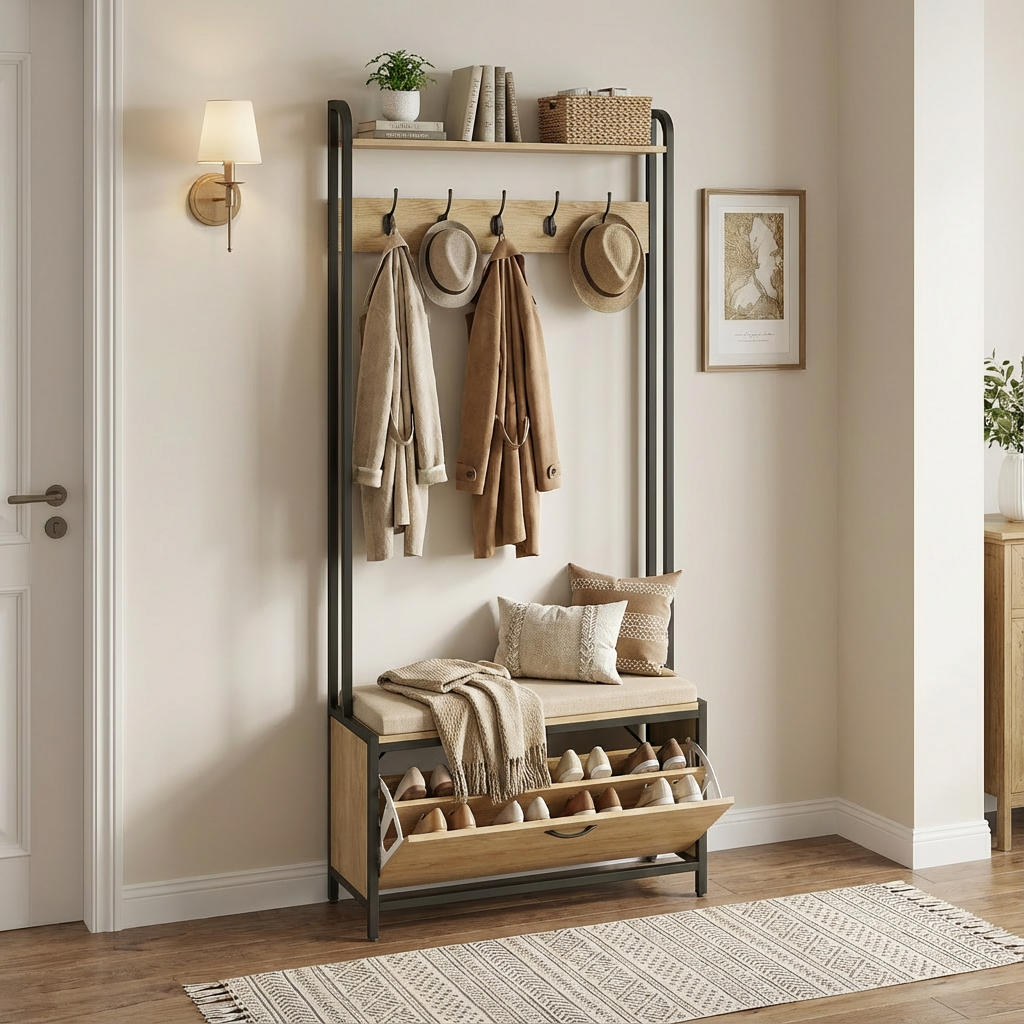
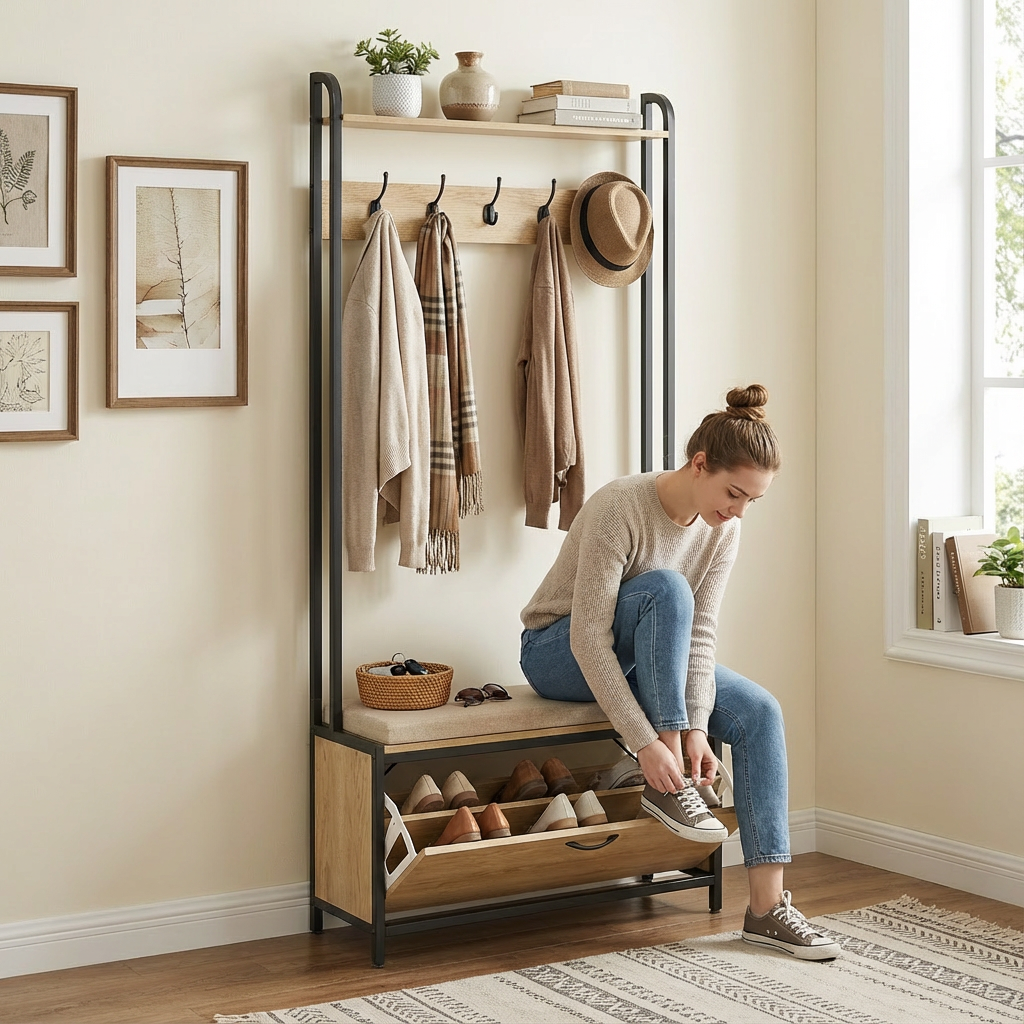
Another fast-growing category is the coat and shoe rack.
These products combine multiple functions into a single piece of furniture.
Typical features include:
hanging hooks for coats and bags
open shoe racks at the base
small storage shelves
bench seating
A standard coat and shoe rack typically measures:
| Component | Average Dimension |
|---|---|
| Width | 80–100 cm |
| Height | 170–185 cm |
| Depth | 30–40 cm |
These hybrid solutions are particularly popular in European apartments where maximizing vertical space is important.
For online sellers, a coat and shoe rack often performs well because it solves multiple storage needs with one product.
5. Market Trends for Entryway Storage Furniture
Global demand for entryway furniture continues to grow as urban living spaces become smaller.
Some key trends influencing product selection include:
Compact furniture design
Consumers prefer storage pieces under 30 cm depth.
Multi-functional storage
Products combining shoe racks, seating, or hanging storage are gaining popularity.
Flat-pack logistics
Furniture designed for flat packaging reduces shipping costs and improves e-commerce compatibility.
Durable materials
Steel-wood construction is increasingly common because it balances durability and modern aesthetics.
These trends apply to both small shoe rack designs and enclosed cabinets.
6. Which Product Should Furniture Buyers Choose?
For B2B buyers, the decision is rarely about choosing one product over another. Instead, successful furniture collections often include both.
Shoe racks are ideal for:
budget-friendly product lines
closet organization solutions
lightweight e-commerce items
A shoe storage cabinet for entryway works best for:
design-oriented markets
modern entryway furniture collections
premium storage solutions
Meanwhile, a coat and shoe rack fills the middle ground, offering versatility for smaller homes.
By offering multiple formats—shoe rack for closet, compact racks, and cabinet storage—retailers can address a broader range of consumer needs.
Both shoe racks and cabinet-style storage play important roles in modern entryway furniture.
Open racks provide flexibility, ventilation, and lower cost, making them suitable as a shoe rack for closet or compact hallway organizer. In contrast, a shoe storage cabinet for entryway offers a cleaner appearance and stronger design appeal for modern interiors.
For importers, distributors, and online furniture sellers, the most effective strategy is often a balanced product lineup that includes small shoe rack models, cabinet solutions, and multifunctional coat and shoe rack designs.
If you are planning to expand your entryway furniture collection, sourcing manufacturers capable of producing both shoe racks and cabinet-style storage can provide greater flexibility in product development and market positioning.