
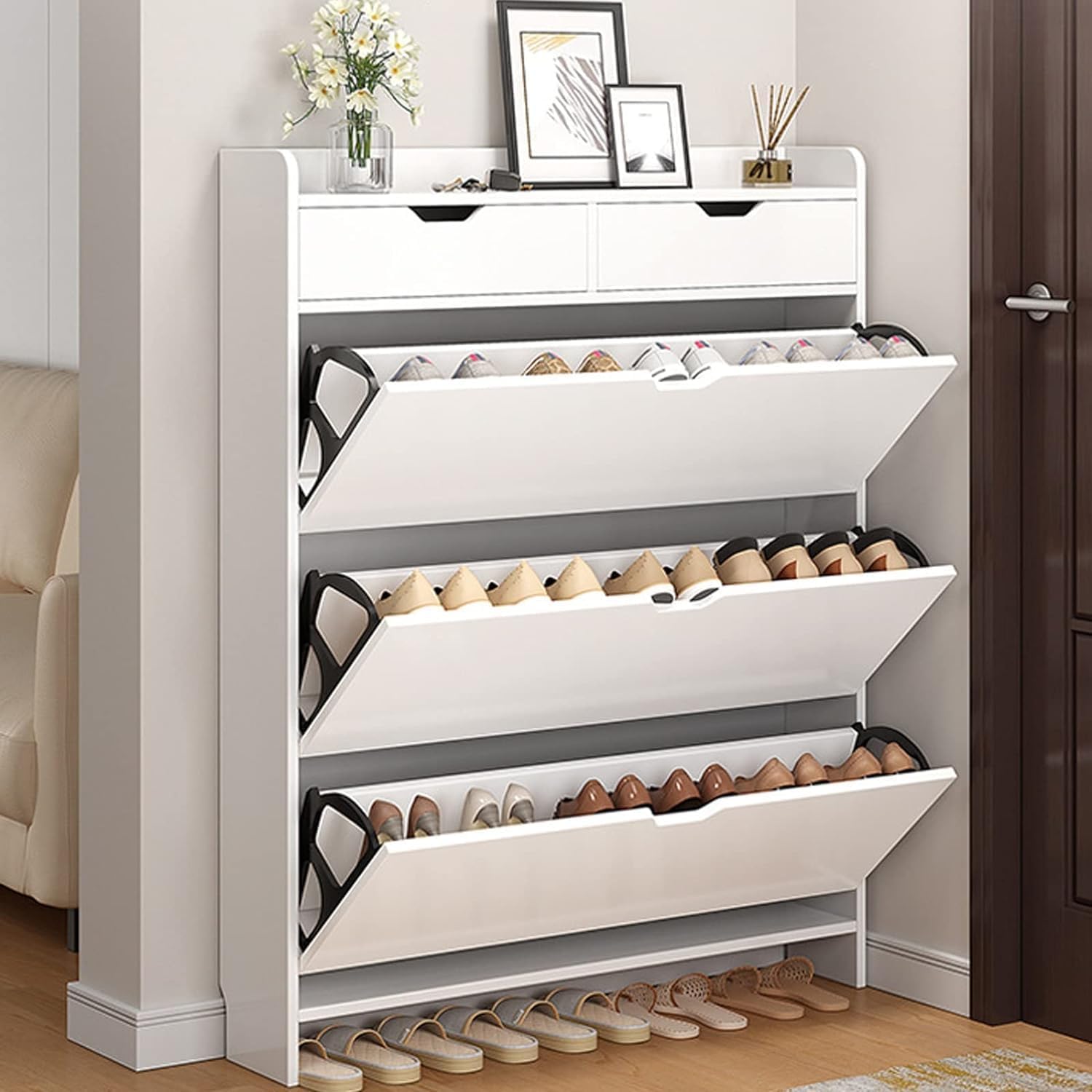
B2B Buying Guide: How Wholesalers Choose Reliable Shoe Cabinet Suppliers
In the global home furniture market, entryway and storage categories continue to show stable demand. Among them, the shoe cabinet has evolved from a basic utility item into a standardized, high-turnover product for wholesalers, importers, and online sellers.
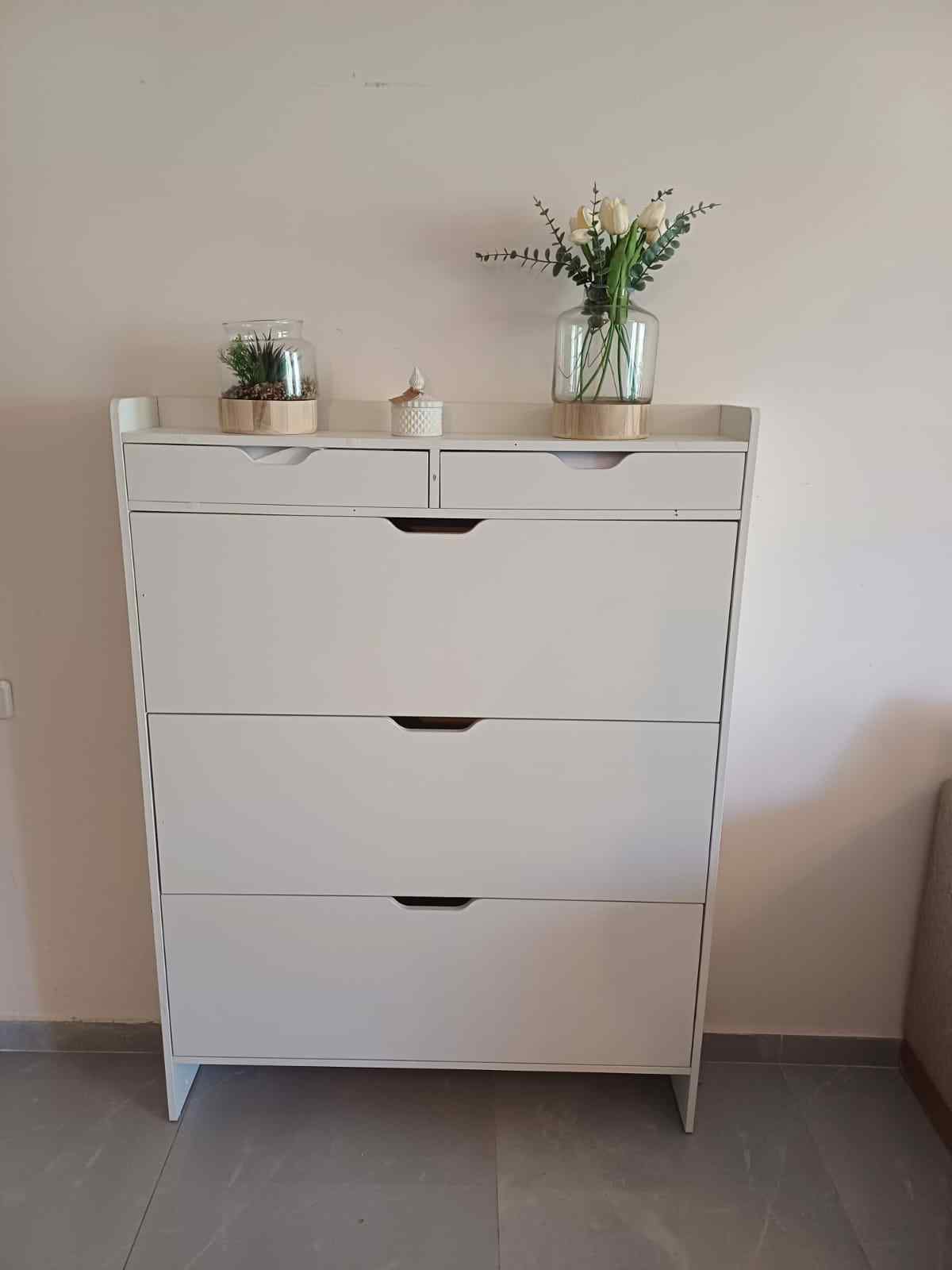
When buyers search for shoe storage solutions, comparisons often include mass-market references such as IKEA shoe cabinet or ikea shoe storage concepts. However, for B2B procurement, the real challenge is not design inspiration—but selecting a supplier that can deliver consistent quality, scalable production, and long-term cooperation.
1. Product Structure: What Defines a Competitive Shoe Storage Cabinet
From a B2B perspective, a reliable shoe storage cabinet must be engineered for both consumer use and commercial distribution.
Common technical parameters in European and North American markets include:
Cabinet width: 600–800 mm
Depth: 300–400 mm (optimized for entryway spaces)
Height: 900–1200 mm
Board thickness: 15–18 mm MDF or particle board
Load per shelf: 10–15 kg
A well-designed shoe cabinet balances slim dimensions with sufficient internal capacity, allowing retailers to position it as a space-saving solution without compromising durability.
2. Materials & Durability: Reducing After-Sales Risk
For wholesalers and online sellers, durability is not optional—it directly impacts return rates and customer reviews.
Professional shoe storage suppliers typically offer:
E1 / CARB P2 compliant boards
Powder-coated steel frames (0.8–1.2 mm thickness)
Hardware tested for 30,000–50,000 open/close cycles
Compared with entry-level ikea shoe cabinet products, B2B-focused manufacturers often reinforce internal structures to support higher load tolerance and long-term daily use.
3. Packaging & Logistics: Hidden Costs Buyers Should Evaluate
A competitive shoe storage cabinet is not only about the product itself, but also how efficiently it moves through the supply chain.
Key logistics benchmarks include:
Flat-pack rate: 100% KD structure
Carton drop test: ISTA 1A / 10-point drop
Single carton weight: ideally below 30 kg for parcel delivery
Suppliers who understand e-commerce logistics help buyers reduce damage rates and optimize container utilization—especially important for online sellers competing in price-sensitive markets.
4. OEM Capability: Scaling Beyond Standard Designs
Many buyers initially benchmark against ikea shoe storage designs, but differentiation becomes essential as competition increases.
A qualified OEM shoe cabinet supplier should support:
Adjustable cabinet widths and heights
Custom internal layouts (tilting shelves, fixed shelves, drawers)
Surface finish options (melamine, foil, veneer look)
This flexibility allows wholesalers and importers to build private label collections without redesigning the entire product structure.
5. Supplier Evaluation: Beyond Price Comparison
While pricing remains important, experienced buyers evaluate suppliers based on long-term reliability.
Key evaluation criteria include:
Stable material sourcing and QC procedures
Clear production lead times (typically 30–45 days)
Experience serving B2B channels rather than pure retail
A professional shoe storage cabinet supplier understands market compliance, packaging standards, and communication efficiency—factors that go far beyond unit cost.
Choosing the Right Shoe Cabinet Partner
The shoe cabinet category continues to deliver consistent demand across wholesale, import, and online channels. While ikea shoe cabinet products may influence consumer expectations, B2B buyers succeed by selecting suppliers who offer structural reliability, scalable customization, and supply chain efficiency.
For wholesalers and importers, a well-chosen shoe storage partner is not just a vendor—but a long-term asset in building competitive entryway furniture collections.
If you are reviewing shoe cabinet specifications or comparing OEM options for your market, exchanging technical requirements early can help streamline sourcing and reduce long-term risk.