
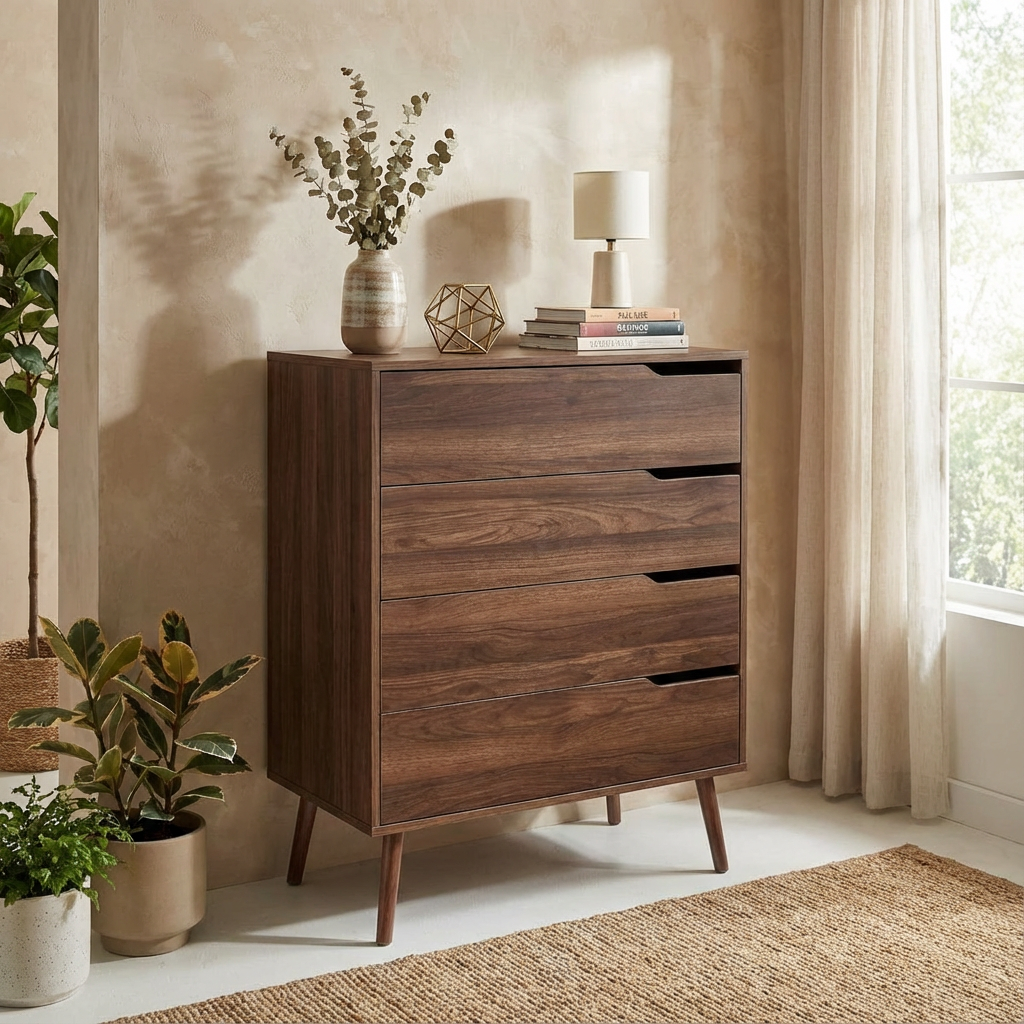
For importers, wholesalers, and online sellers, the storage cabinet is one of the most stable and scalable product categories in living room furniture. Demand remains strong across residential, rental, and project markets, driven by compact living, organization needs, and modular interiors. Whether it is a storage cabinet with doors, a storage cabinet with drawers, or a tall storage cabinet with doors, buyers who understand structure, materials, and logistics gain a clear competitive advantage.
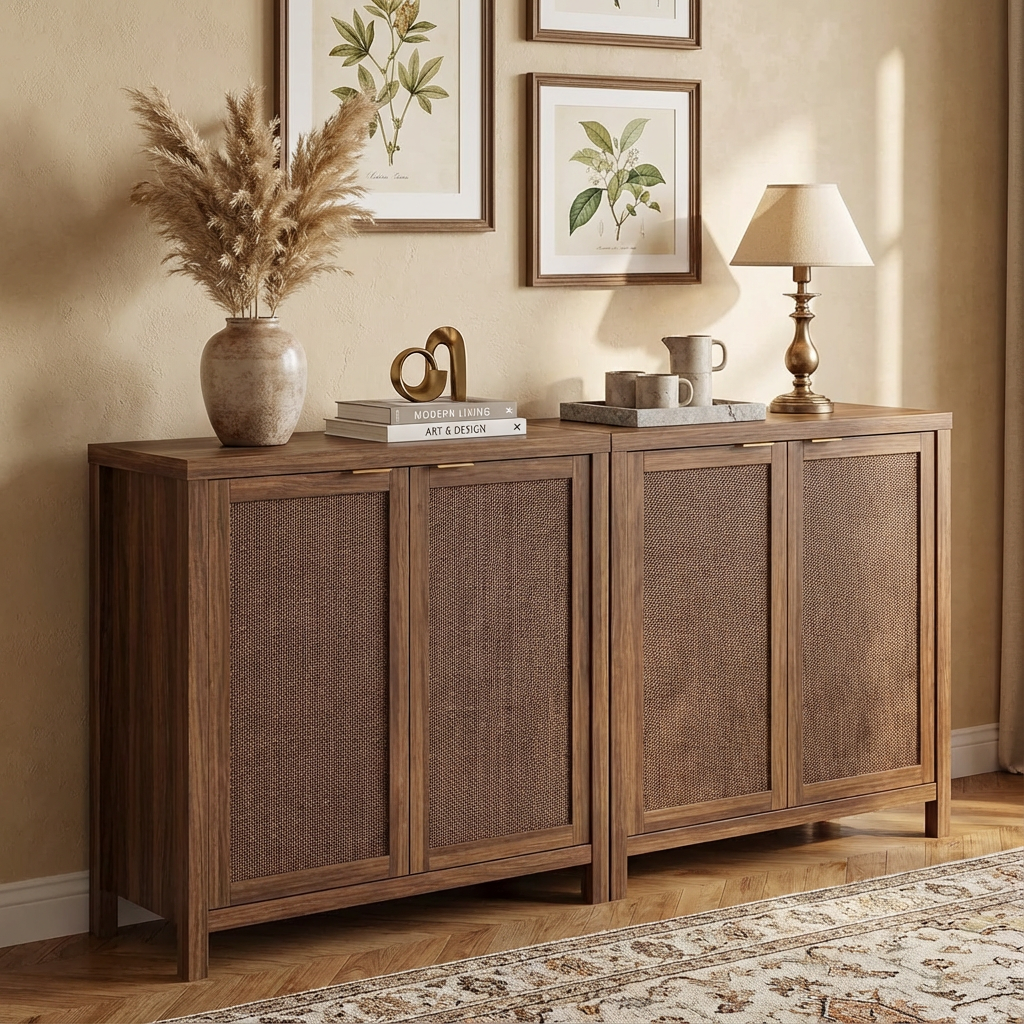
A successful storage cabinet range is built on smart structure, reliable materials, and efficient logistics. By selecting the right storage cabinet with doors, storage cabinet with drawers, or craft storage cabinet, B2B buyers can meet diverse market needs while maintaining consistent quality and supply stability.
1. Identify Market Position and End Use
Before sourcing any storage cabinet, importers should define the target market clearly.
Living room & entryway: Clean-lined storage cabinet with doors hides clutter and supports minimalist interiors.
Home office & hobby use: A craft storage cabinet with drawers and adjustable shelves suits creative users and home organizers.
Small apartments: Vertical designs such as a tall storage cabinet with doors maximize storage without increasing footprint.
Clear positioning helps wholesalers avoid overlapping SKUs and improves sell-through across channels.
2. Structure and Internal Configuration
A well-designed storage cabinet must balance appearance and functionality.
Doors vs. drawers: A storage cabinet with drawers offers better category separation, while doors create a cleaner exterior.
Shelf adjustability: Flexible shelving increases the usability of any storage cabinet with doors.
Vertical efficiency: A tall storage cabinet with doors adds capacity while keeping floor space minimal.
For B2B buyers, standardized structures also simplify mass production and packaging optimization.
3. Materials and Build Quality
Material choice directly impacts cost control and perceived value.
Engineered wood (MDF / particle board) is widely used for storage cabinet production due to consistency and finish quality.
Metal components improve durability, especially for hinges and drawer runners in a storage cabinet with drawers.
Solid wood accents (legs or frames) can elevate the look of a craft storage cabinet without major cost increases.
Stable materials reduce quality disputes and ensure smoother repeat orders.
4. Design Trends and Finish Selection
Design adaptability is essential for importers serving multiple regions.
Neutral finishes allow one storage cabinet design to fit various markets.
Minimalist profiles increase acceptance for both living rooms and offices.
Handle-free or concealed handles enhance the premium feel of a storage cabinet with doors.
A flexible design platform enables small custom changes without full redevelopment.
5. Packaging, Assembly, and Logistics
Operational efficiency is critical in B2B sourcing.
Flat-pack structure reduces shipping cost for every storage cabinet.
Clear assembly logic lowers return rates for online sellers.
Drop-tested cartons protect tall items like a tall storage cabinet with doors during transport.
Well-designed packaging protects margins as much as product pricing.
6. OEM / ODM Opportunities for Wholesalers
One major advantage of factory-direct sourcing is customization.
Modify drawer quantity in a storage cabinet with drawers.
Adjust height or depth for a tall storage cabinet with doors.
Customize finishes and branding for private-label storage cabinet programs.
These options allow wholesalers to differentiate their catalog while controlling risk.
If you are planning to develop or expand your storage cabinet collection, working with an experienced OEM/ODM manufacturer can help you shorten development cycles and improve long-term competitiveness.
Feel free to contact us to discuss your market requirements and explore tailored storage solutions.