
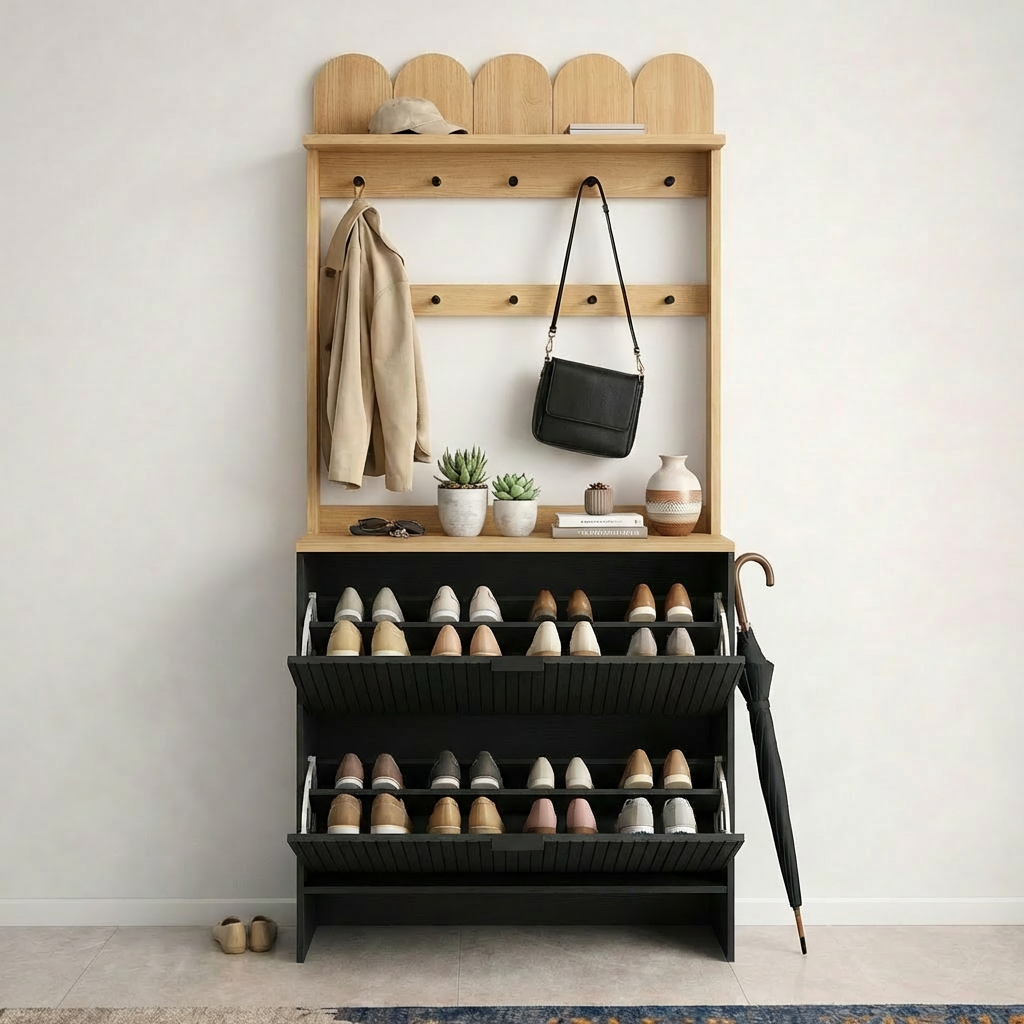
Small entryways are common in modern apartments across Europe and North America. For furniture retailers, importers, and online sellers, selecting the right shoe storage cabinet entryway solution can significantly improve both functionality and market appeal.
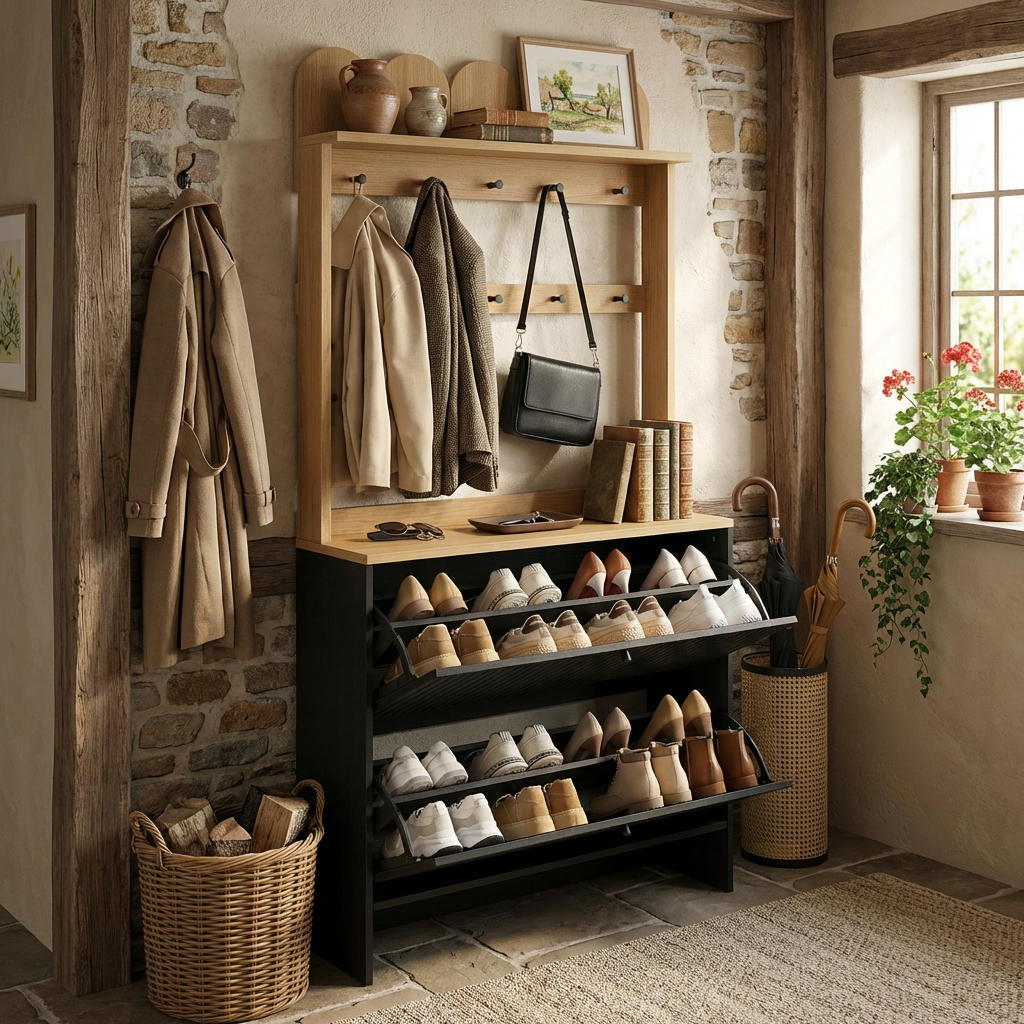
A well-designed entryway shoe storage cabinet not only organizes footwear but also enhances the visual structure of a hallway. When sourcing products for the market, buyers need to balance size efficiency, storage capacity, durability, and design trends.
How to Choose the Right Shoe Cabinet for Small Entryways
1. Understand the Space Constraints of Small Entryways
Small apartments often have entryways between 80–120 cm wide and 20–35 cm deep. Traditional furniture can quickly overcrowd the space.
For this reason, a compact shoe storage cabinet entryway design is typically preferred.
Key dimensions commonly used in successful products include:
| Parameter | Recommended Range |
|---|---|
| Cabinet width | 60–100 cm |
| Cabinet depth | 20–30 cm |
| Cabinet height | 90–120 cm |
| Storage capacity | 8–16 pairs of shoes |
A narrow entryway shoe storage cabinet with optimized internal compartments allows homeowners to maximize storage without sacrificing walking space.
For online furniture sellers, products within these dimensions consistently perform well because they address one of the most common consumer problems: limited hallway space.
2. Choose a Structure That Maximizes Storage
Different cabinet structures directly affect storage efficiency. Among the most popular formats are:
Flip Drawer Systems
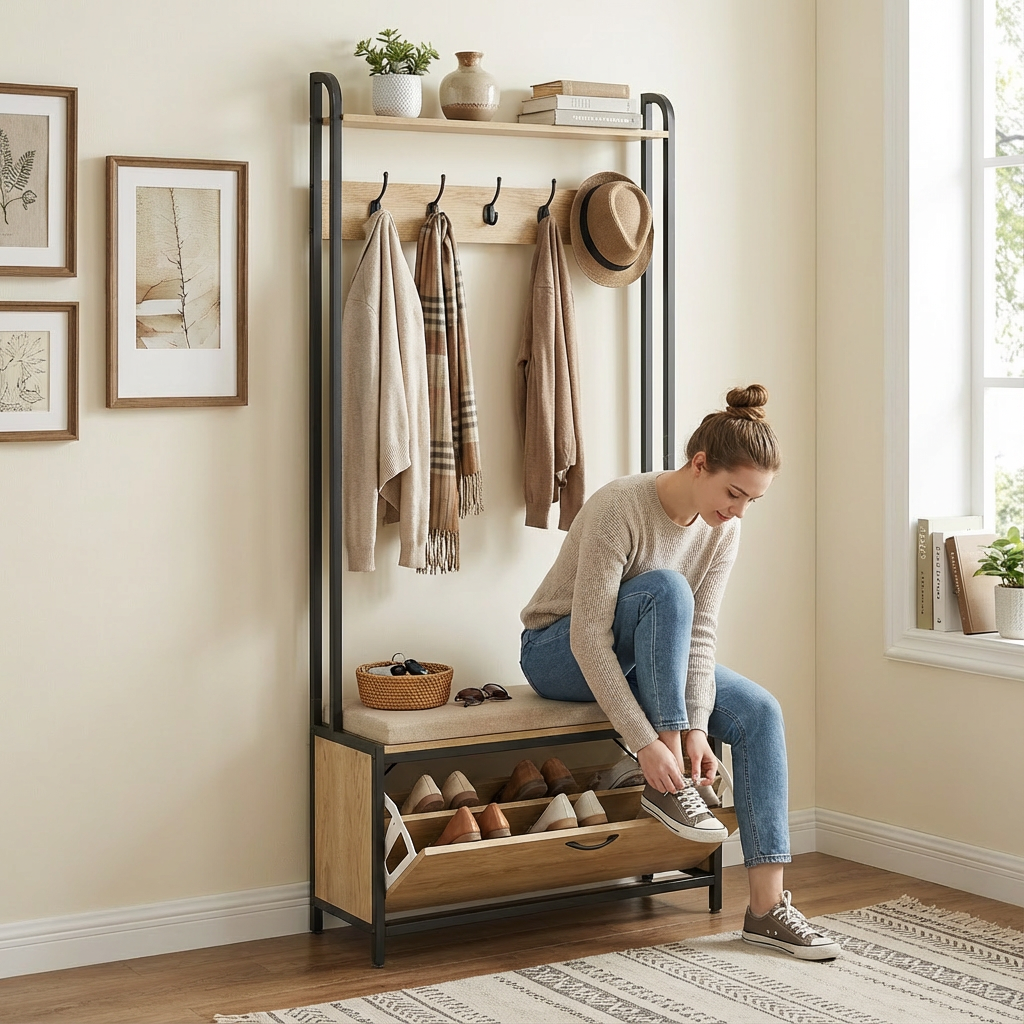
A flip system is widely used in modern shoe storage cabinet with doors designs. The angled internal compartments can increase capacity by 30–40% compared with traditional shelves.
Advantages:
space-saving depth (often under 25 cm)
quick access to footwear
cleaner appearance for modern interiors
Shelf-Based Cabinets
Traditional shelving works well in deeper cabinets (30–35 cm). However, these structures occupy more space and are less suitable for very narrow entryways.
Multi-Functional Designs
Many modern entryway shoe storage cabinet designs integrate additional functions such as:
coat hooks
storage shelves
decorative panels
small console surfaces
These hybrid solutions increase perceived value while maintaining compact footprints.
3. Select Durable Materials for Long-Term Use
Material choice affects durability, appearance, and shipping cost.
Many high-volume shoe storage cabinet entryway products today use steel-wood construction, which combines structural strength with modern aesthetics.
Typical material specifications include:
| Component | Common Specification |
|---|---|
| Frame | Steel tube 20×20 mm |
| Panels | MDF 12–15 mm |
| Finish | Melamine or PVC edge banding |
| Load capacity | 30–50 kg total |
This structure improves durability while keeping the product suitable for flat-pack e-commerce shipping.
For importers and online retailers, this approach reduces damage rates during transportation while maintaining a competitive retail price.
4. Prioritize Door Design for Entryway Aesthetics
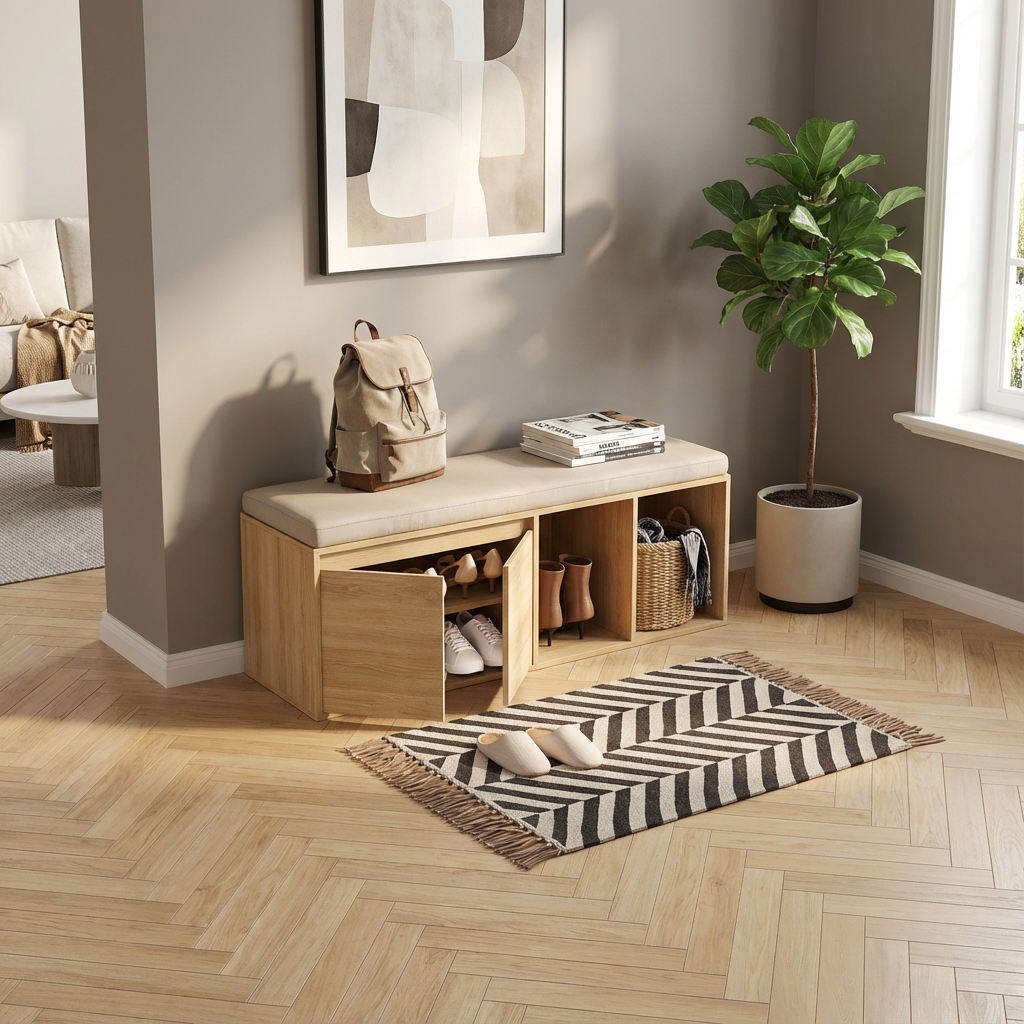
A shoe storage cabinet with doors helps maintain a clean and organized appearance in entryways.
Consumers often prefer enclosed cabinets because they:
hide visual clutter
reduce dust accumulation
create a cleaner interior design
Popular door styles include:
flat minimalist panels
vertical slatted doors
curved or wave decorative panels
These design details can significantly improve product differentiation in online marketplaces.
For example, adding subtle surface textures or modern handles can increase the perceived value of a shoe cabinate without significantly increasing manufacturing cost.
5. Design for E-Commerce Packaging and Logistics
For global furniture sellers, logistics efficiency is critical.
An ideal entryway shoe storage cabinet should be designed for flat-pack packaging.
Typical packaging parameters include:
| Metric | Target Value |
|---|---|
| Carton size | under 110 × 45 × 15 cm |
| Gross weight | 18–24 kg |
| Assembly time | under 30 minutes |
| Container loading | 900–1100 sets / 40HQ |
Products optimized for these parameters reduce shipping cost and improve customer satisfaction in online retail channels.
6. Follow Current Entryway Furniture Trends
The demand for modern shoe storage cabinet entryway designs continues to grow as consumers seek stylish storage solutions.
Current trends include:
Minimalist European design
Clean lines, matte finishes, and neutral colors such as oak, walnut, and black.
Slim storage solutions
Cabinets under 25 cm depth are increasingly popular in urban apartments.
Integrated entryway systems
Products combining a shoe storage cabinet with doors, coat rack, and shelf create a complete hallway solution.
For B2B buyers, these trends provide clear guidance when selecting new SKUs for the market.
7. Why Product Design Matters for Retail Success
In competitive furniture categories, small design improvements can significantly influence sales performance.
A well-designed entryway shoe storage cabinet can achieve:
20–40% higher perceived value
improved customer reviews due to better usability
lower return rates thanks to optimized dimensions
For retailers and online sellers, choosing the right shoe cabinate structure is not just about storage—it is about offering a practical solution for modern living spaces.
Choosing the right shoe storage cabinet entryway solution requires balancing space efficiency, storage capacity, durability, and design appeal.
For importers, distributors, and online sellers, the most successful products typically combine:
compact dimensions for small entryways
efficient internal storage systems
durable steel-wood construction
modern door designs that match current interior trends
A thoughtfully designed entryway shoe storage cabinet can transform a small hallway into an organized and stylish space while offering strong commercial potential in global furniture markets.
If you are exploring new shoe storage cabinet with doors designs for your product line, working with manufacturers that specialize in flat-pack furniture and customizable structures can help you adapt products to different markets and retail channels.