
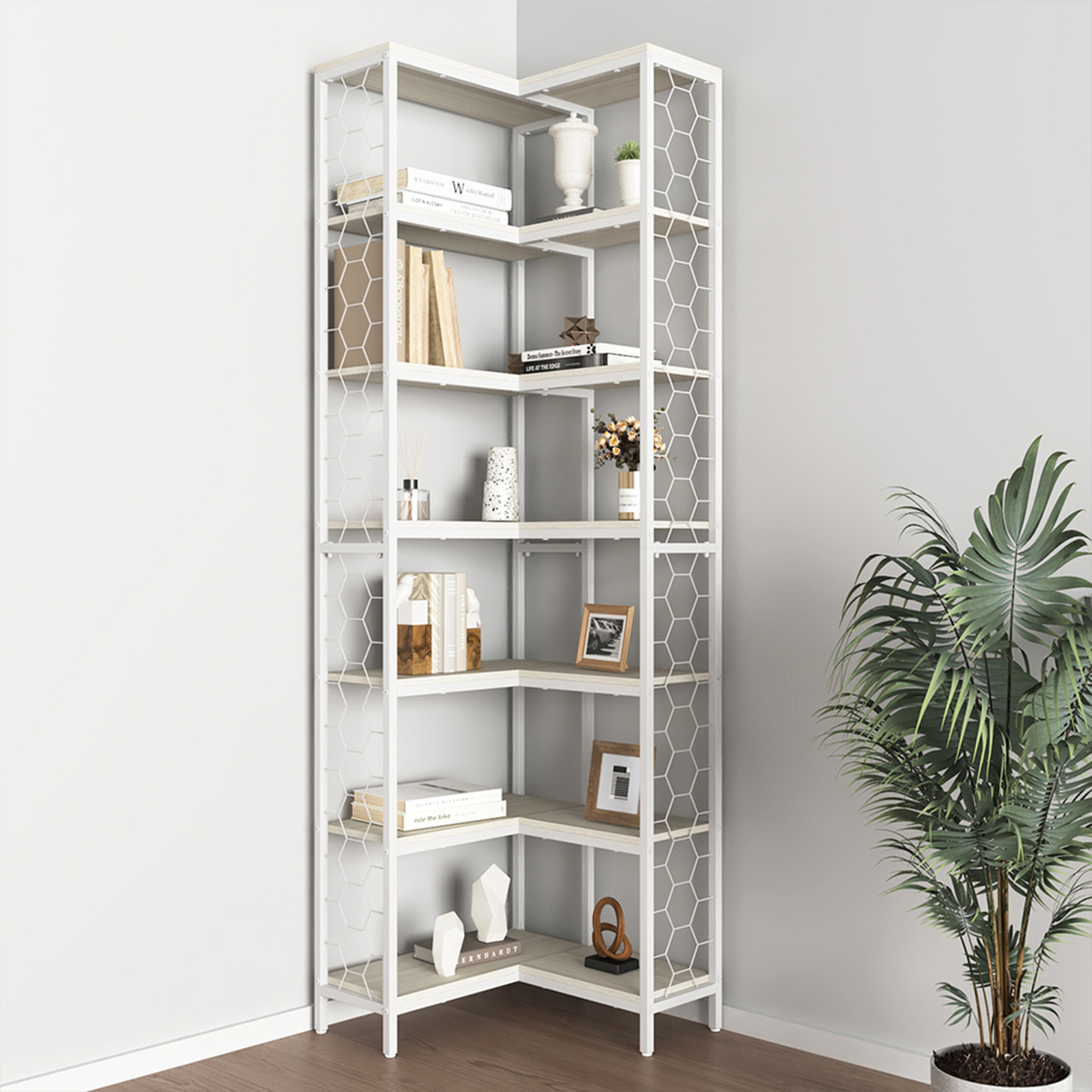
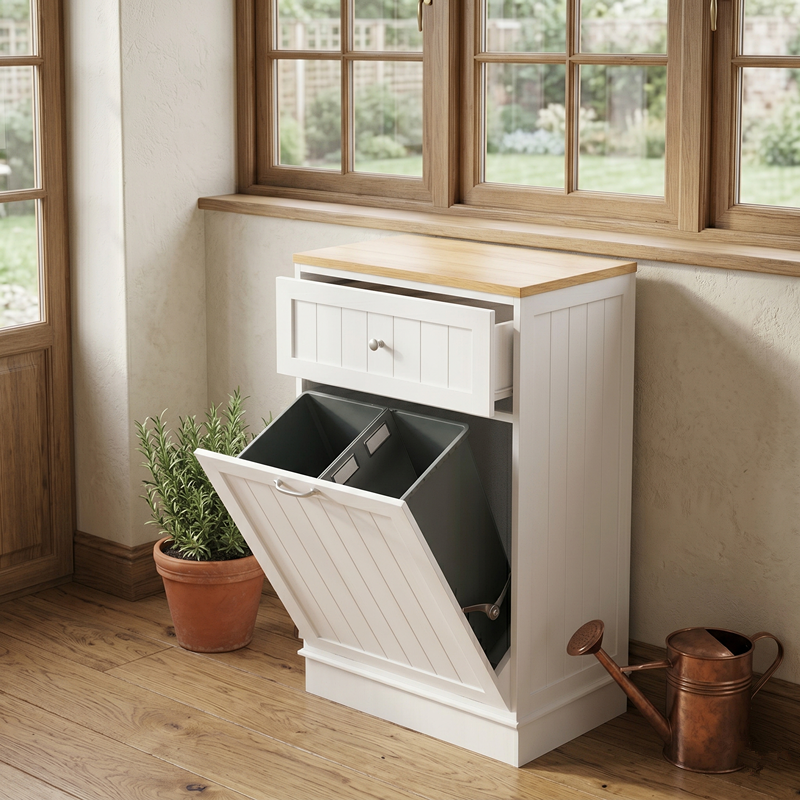
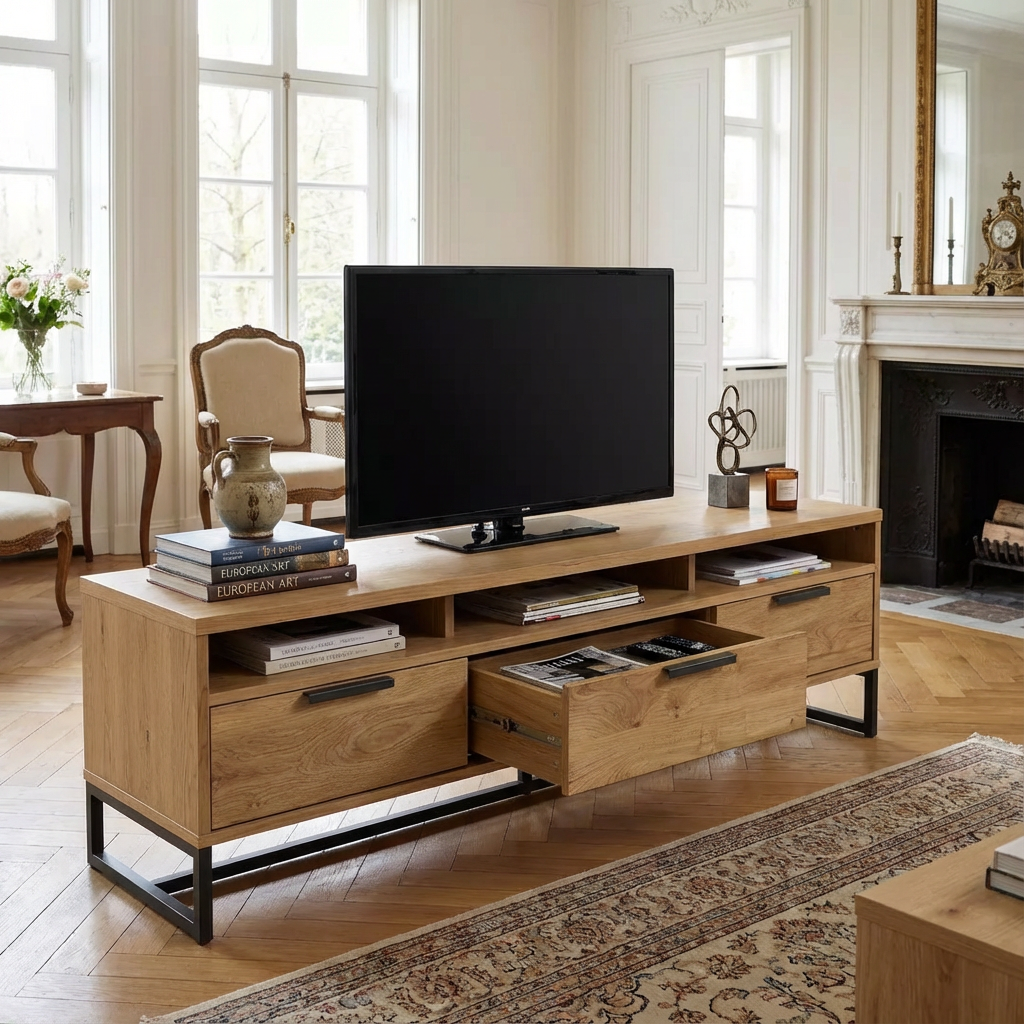
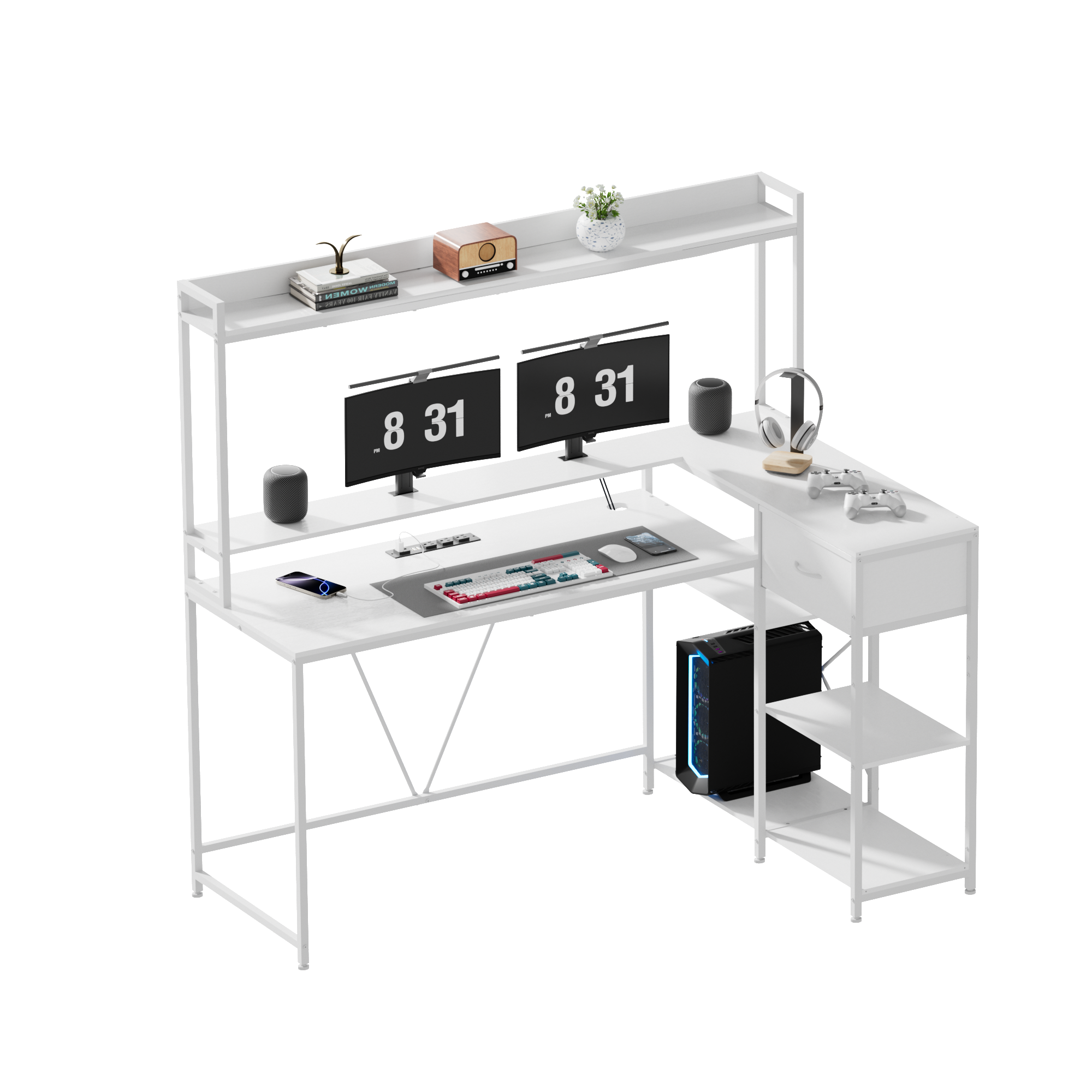
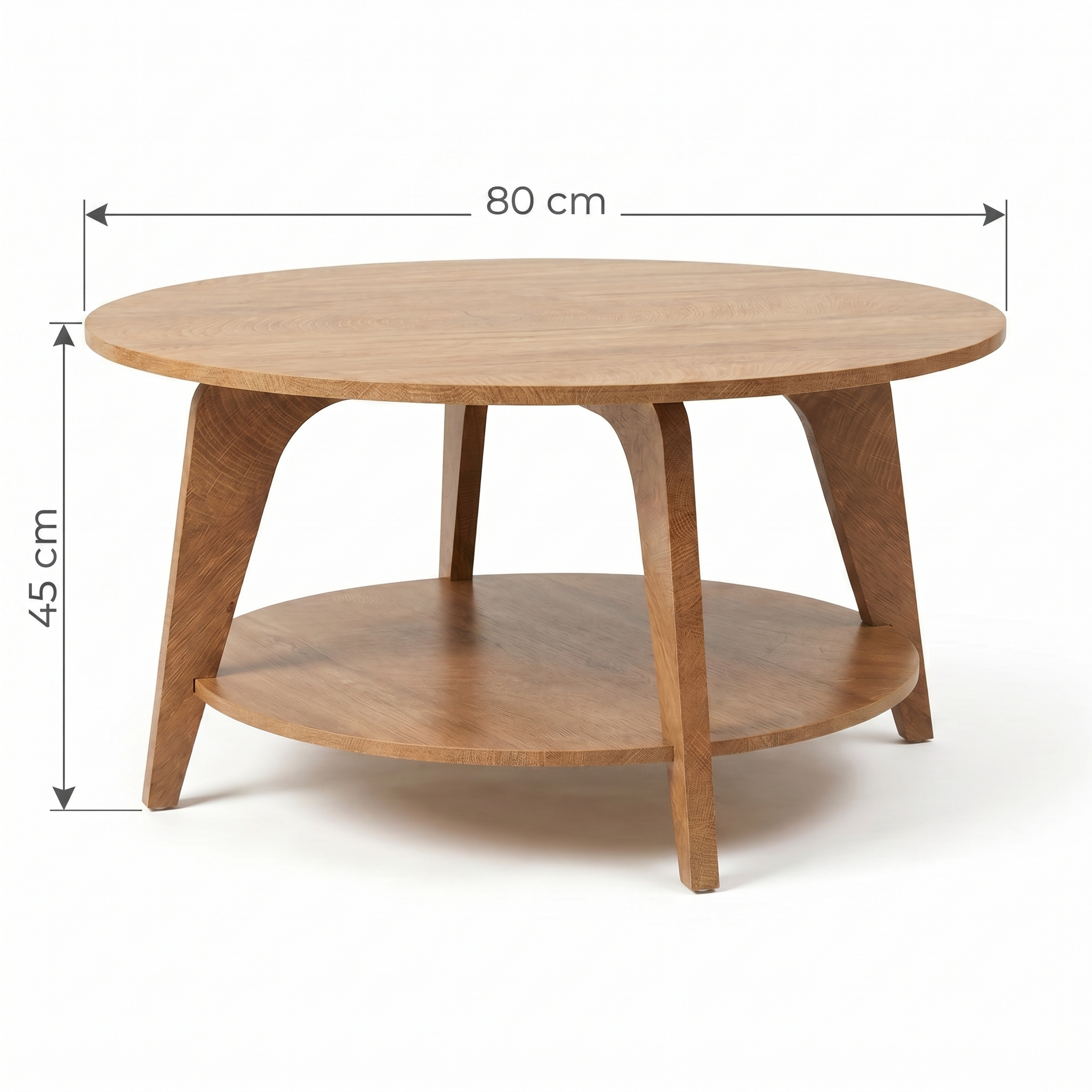
Modern Wood Coffee Table Trends: The 2026 Round Cocktail Table Evolution
The traditional living room layout is dead. Driven by skyrocketing urban real estate costs and the normalization of hybrid lifestyles, 2026 has witnessed a massive shift toward highly adaptable fluid environments. For B2B bulk buyers, furniture importers, and major e-commerce brands, this shift directly impacts procurement strategies.
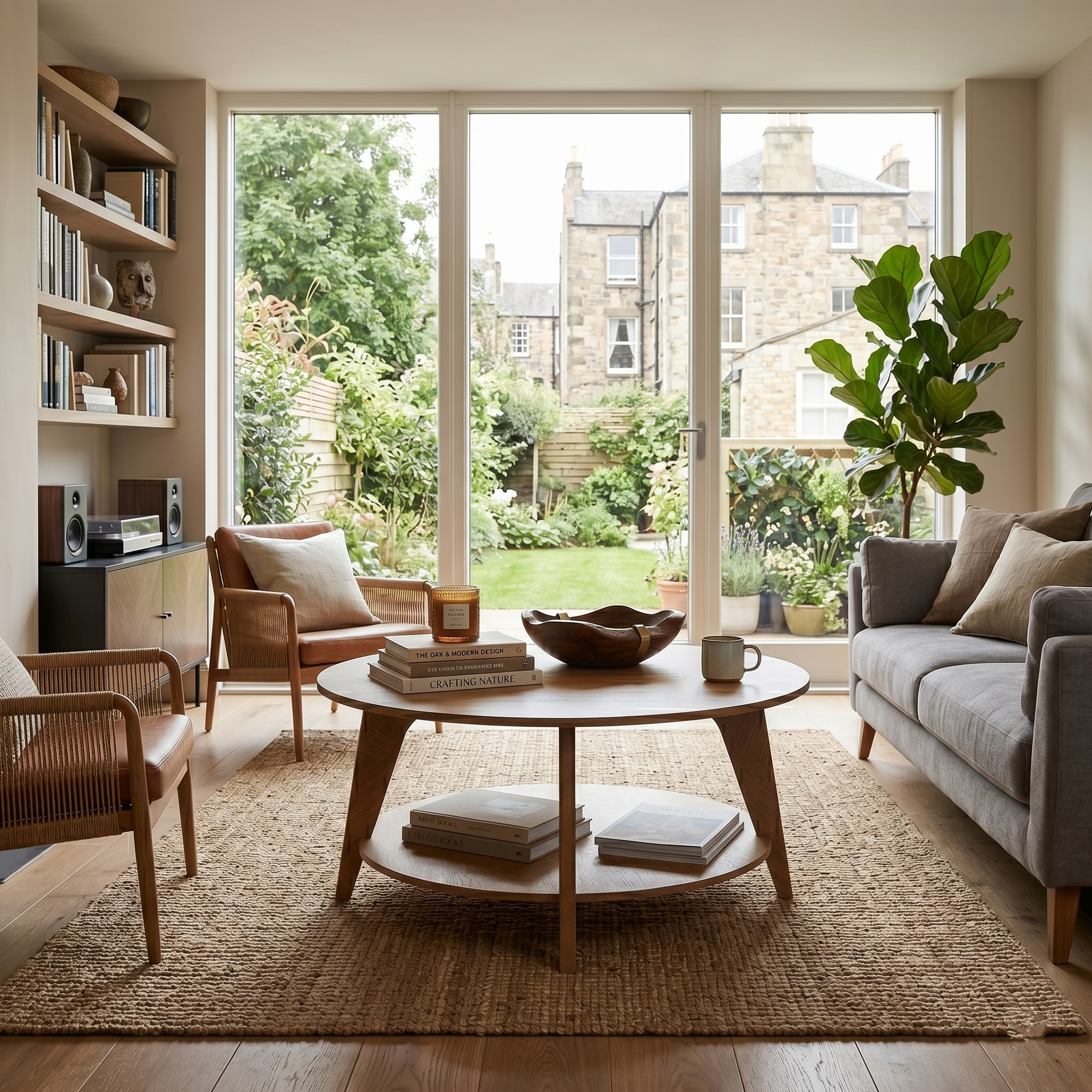
At the center of this spatial transformation is the central hub of the lounge: the coffee table. No longer just a static surface for magazines, the modern coffee table has evolved into a high-utility piece that dictates the functionality of the entire room.
1. The Multi-Functional Shift in Global Living Spaces
Modern floor plans require furniture to perform multiple roles throughout the day. A single commercial or residential lounge might serve as an executive home office at 10:00 AM, a casual meeting space at 3:00 PM, and an entertainment zone by 8:00 PM.
Data from global urban housing markets indicates that the average square footage of new apartments has decreased by 12% over the past five years. Consequently, e-commerce furniture retailers are reporting a 35% year-over-year increase in demand for multi-use, space-saving centerpieces.
When searching for the ideal focal point, a round coffee table is increasingly preferred over sharp rectangular alternatives. Geometric configurations without harsh corners optimize traffic flow in tight spaces by up to 18%, allowing more seamless movement in high-traffic residential and commercial lounges alike.
2. Engineered Wood: The Smart B2B Alternative to Solid Timber
While consumer aesthetics demand the warmth of timber, commercial reality dictates a balance of durability, price competitiveness, and scale. For high-volume e-commerce and international distribution, a traditional solid wood coffee table often introduces massive commercial risks: splitting under varying climates, warping during sea transit, and high production costs.
This is why premium melamine-faced MDF (Medium-Density Fiberboard) has become the gold standard for the modern coffee table market in 2026.
Commercial Material Performance Matrix (2026 Standards)
+-----------------------------+--------------------+-------------------+--------------------+
| Feature           | Melamine-Faced MDF | Solid Oak / Beech | Low-Grade Particle |
+-----------------------------+--------------------+-------------------+--------------------+
| Warp & Crack Resistance   | Exceptional (100%) | Vulnerable (Low) | Moderate      |
| Scratch & Heat Resistance  | High (Melamine)  | Low (Soft Wax)  | Low        |
| Weight-to-Volume for Freight| Optimized for KD  | Heavy / Bulky   | Poor Structural  |
| Average B2B Return Rate   | < 0.8%       | 4.5% (Climatic)  | 5.2% (Fragile)   |
+-----------------------------+--------------------+-------------------+--------------------+
By utilizing high-density MDF paired with advanced 3D melamine pressing technology, manufacturers can perfectly replicate luxury textures—such as natural oak, walnut, or concrete—while offering superior resistance to scratches, water rings, and daily wear. For B2B buyers, this engineering translates directly into lower product return rates and higher customer satisfaction.
3. Engineering the Ultimate Round Cocktail Table for E-Commerce
In upscale commercial hospitality and premium residential staging, designers frequently specify a round cocktail table over standard consumer models. The distinction lies in the engineering, proportions, and manufacturing precision:
E1/P2 Environmental Certification: High-end European and North American markets demand strict compliance. Utilizing Carb P2 and E1 grade MDF ensures your round cocktail table line meets all international emission standards, unlocking smooth custom clearance.
Seamless Edge Banding: Advanced PUR edge-banding technology ensures that the seam between the melamine surface and the MDF core is completely moisture-proof, eliminating the risk of edge peeling even in high-humidity regions.
Steel-and-Wood Structural Stability: Pairing a heavy-duty, powder-coated steel frame with a thick MDF top creates a striking contrast that aligns with current industrial and minimalist trends while ensuring a static load capacity exceeding 80kg.
4. Maximizing Cross-Border Profitability: Knock-Down (KD) Engineering
For online sellers and major importers, shipping air is the fastest way to lose margin. Sourcing a round coffee table engineered with a flat-pack, knock-down (KD) structure is essential for survival in today’s competitive digital landscape.
Container Optimization
A rigid, pre-assembled table wastes up to 65% of a shipping container's internal volume. In contrast, flat-packed melamine-and-steel tables minimize package thickness to under 10cm, allowing you to fit up to 1,200 units into a single 40ft HQ container—effectively slashing per-unit ocean freight costs by more than half.
Parcel-Friendly Packaging (ISTA-3A / 6A)
Online retail success depends on the drop test. Engineered MDF parts have uniform structural integrity, making them far less prone to corner breakage than natural wood during rough courier transit. When protected by optimized foam edge guards and double-wall corrugated cartons, these products easily pass ISTA-3A/6A standards, safeguarding your seller rating on major global platforms.
Partner with a Leading OEM/ODM Supply Chain Expert
Sourcing high-performing furniture requires a manufacturing partner that understands the delicate balance between structural engineering, global design trends, and strict quality control.
Our factory specializes in high-volume, premium melamine-faced MDF and steel furniture production. We provide international importers, B2B trading companies, and top-tier e-commerce brands with scalable OEM/ODM solutions, reliable supply chain control, and parcel-friendly packaging designed to withstand the rigors of global logistics.
Discover how our latest precision-engineered collections can elevate your product portfolio and satisfy your clients' demands for multi-functional design.