
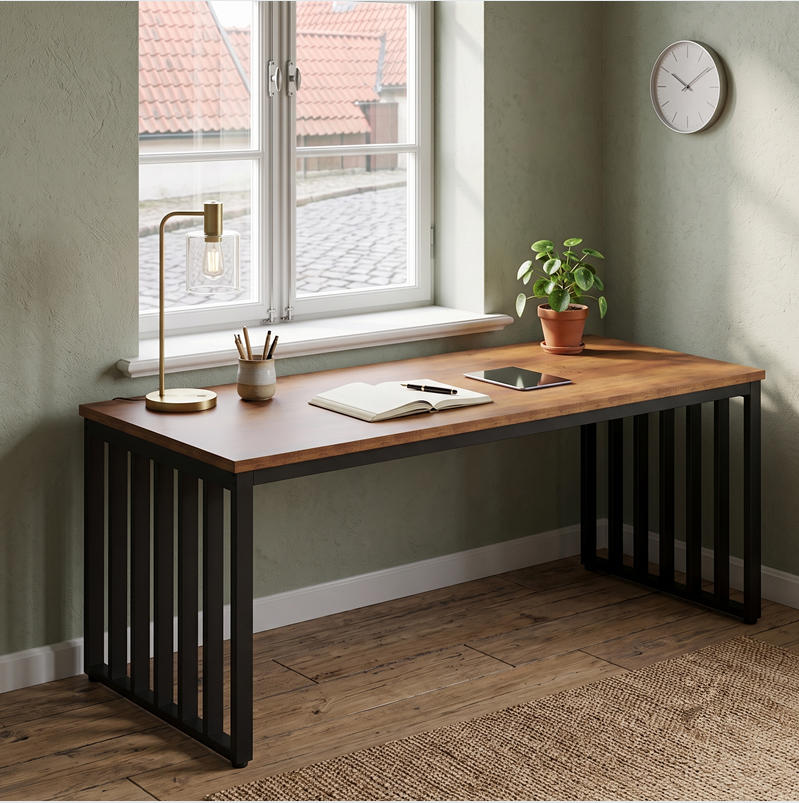
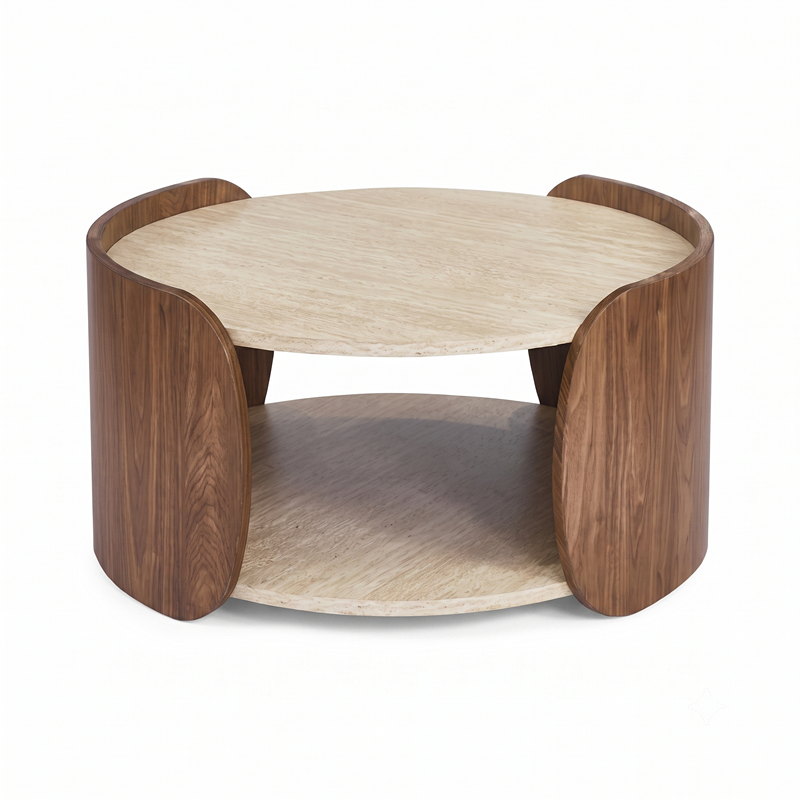

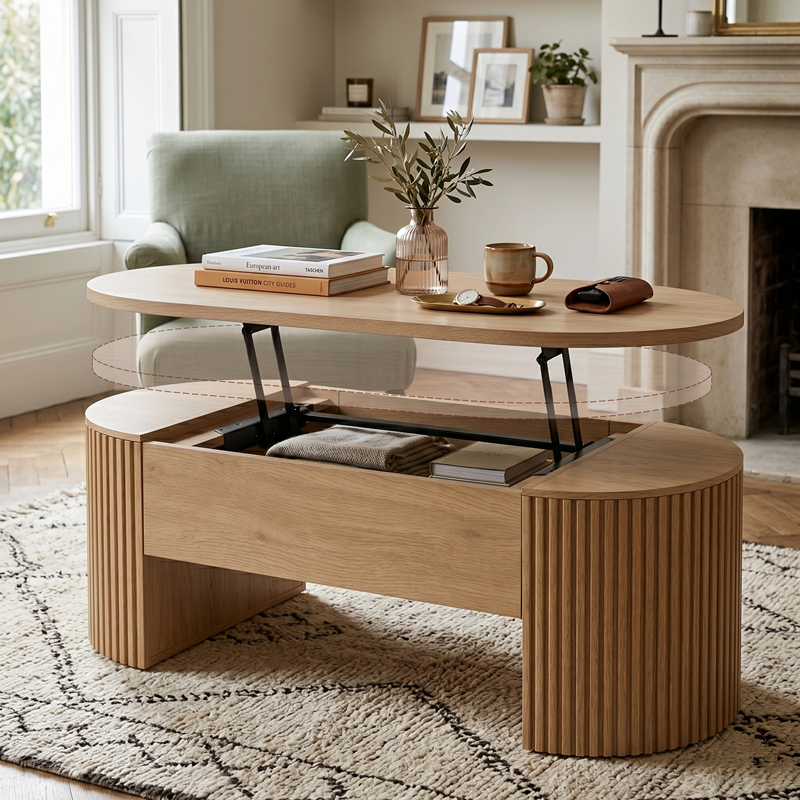
After steel tubes have been cut to size, the individual pieces still look nothing like a finished piece of furniture.
They are simply lengths of metal.
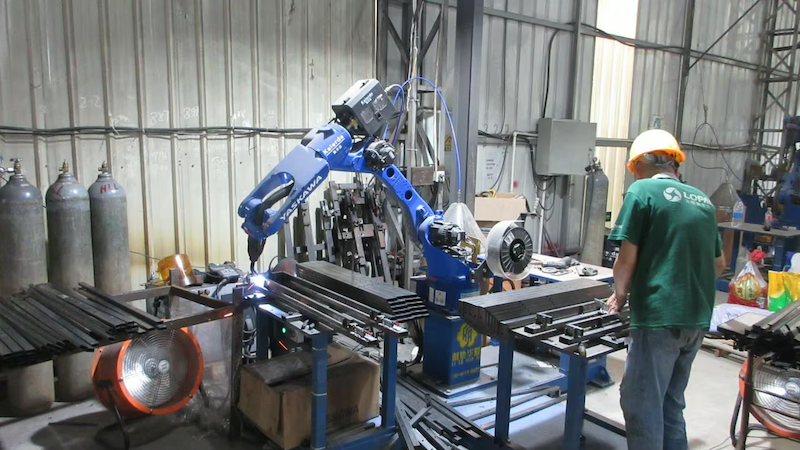
The next step is welding. This is where those separate pieces start to become a table frame, cabinet structure, shelf support or another furniture component.
At Deluxstar, welding is carried out according to the approved drawings and production specifications for each model.
Getting the Frame into the Right Position
Before welding starts, the cut tubes need to be positioned correctly.
The length of each tube, the angle between components and the position of connecting parts all affect the final frame. Once everything is lined up, the pieces can be fixed together through welding.
This matters particularly for Living Room Furniture.
Coffee tables, TV cabinets, side tables and storage units often have visible steel structures. If a frame is not square, the problem may be noticed later when the tabletop or panels are installed.
A few millimetres can make a difference.
Welding for Repeated Production
Furniture manufacturing is rarely about making just one frame.
A buyer may order hundreds or thousands of the same product. The factory therefore needs to reproduce the same structure repeatedly.
For Home Office Furniture, steel frames are commonly used for desks, shelves and storage cabinets. Each frame needs to maintain the same basic dimensions so that the corresponding panels and hardware fit during assembly.
Jigs and positioning methods can help keep repeated components in the correct location during production.
The aim is not simply to make a strong weld. The whole frame needs to remain consistent.
From Steel Tubes to Furniture Structures
Different products require different welding structures.
For Kitchen Furniture, steel frames may support panels, shelves, cabinet components or other parts. The welding points need to be positioned according to the product design.
For Entry Furniture, welded steel structures can be found in shoe cabinets, benches and storage units. Since these products are often relatively compact, clean joints and accurate frame dimensions are important for the final appearance.
After welding, the components can move to polishing and surface treatment. Welding marks and rough areas are cleaned before the frame receives its final finish.
Welding Bedroom Furniture Frames
Bedroom Furniture also makes use of steel-and-wood construction.
Bedside tables, cabinets and shelving products may use welded frames combined with wooden panels. The frame has to provide the required support while also leaving enough space for panels, shelves and hardware.
Once the welded structure has passed inspection, it can continue through the following production stages.
What Happens After Welding?
Welding is not the final step for a steel component.
After welding, the frame may be checked for dimensions, alignment and visible defects. Rough welding areas can then be polished before coating or painting.
This is one reason the production process needs to work as a sequence.
Tube cutting affects welding. Welding affects polishing. Polishing affects surface treatment. Eventually, all of these steps show up in the finished furniture.
At Zhangzhou Deluxstar Furniture Co., Ltd., we manufacture indoor steel and wood furniture for overseas wholesalers, brands and online sellers. With more than 15 years of export experience, over 100,000 m² of factory space and five production lines, we handle the main production stages in-house.
Our furniture range includes Living Room Furniture, Home Office Furniture, Kitchen Furniture, Entry Furniture and Bedroom Furniture.
A finished furniture frame may look simple when it reaches the showroom. Behind it, however, are a series of measured, cut, positioned and welded steel components that have to fit together properly.