
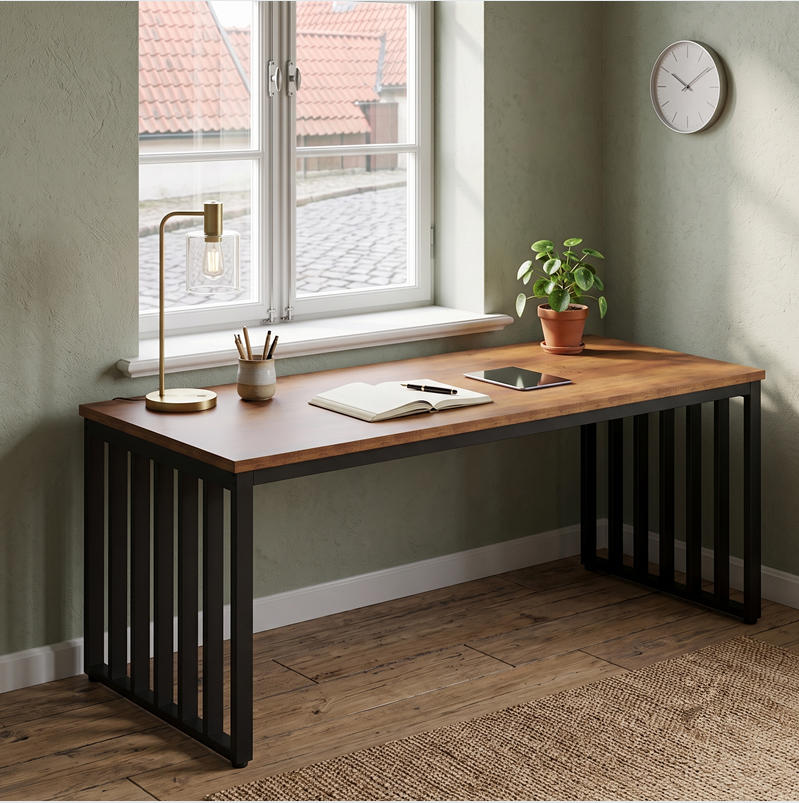
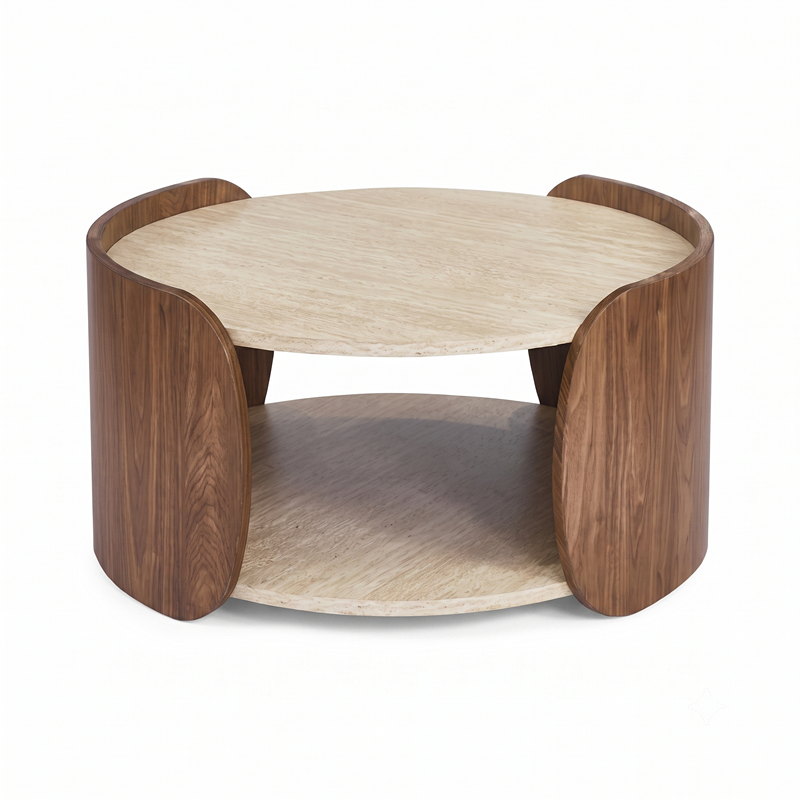
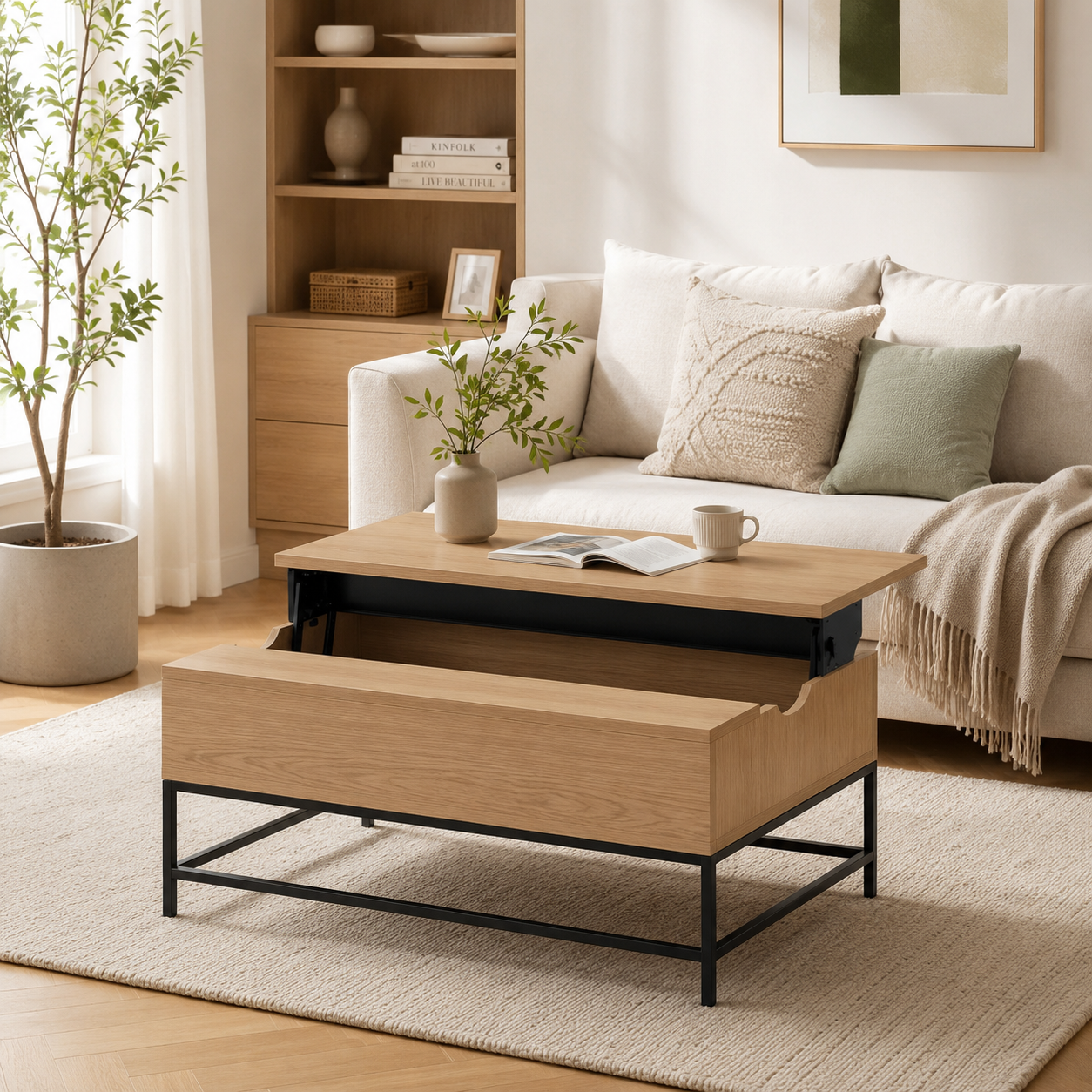
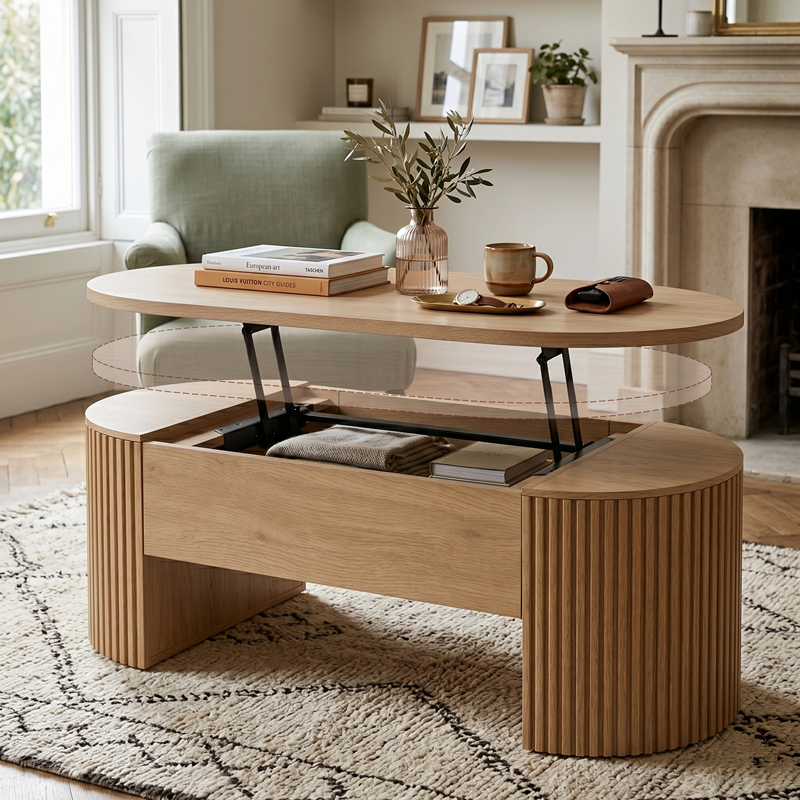
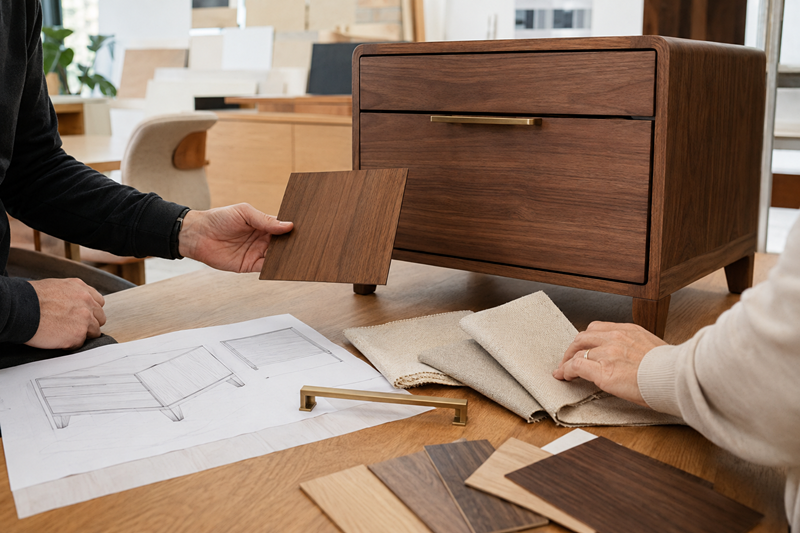
Developing a furniture collection involves much more than sending a reference image to a factory and asking for a quotation. The shape may look simple, but dimensions, materials, construction, finishes, packaging and target price all affect whether the product can move smoothly from an initial idea to mass production.
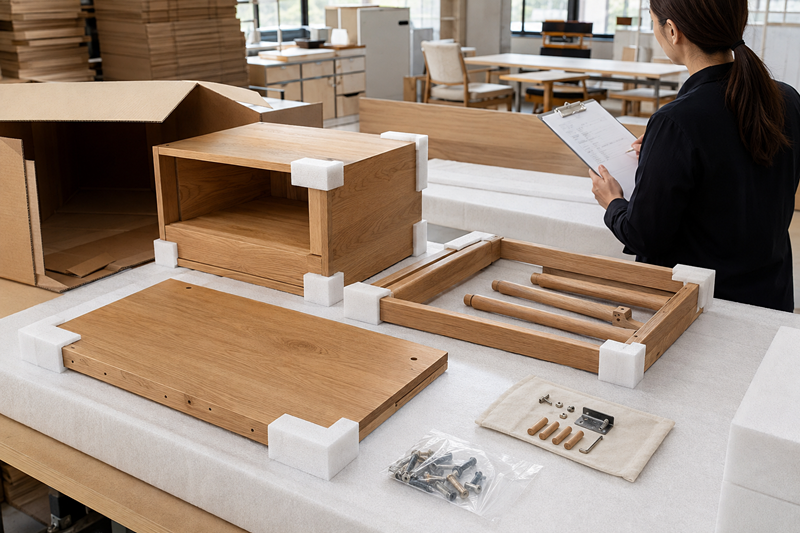
For furniture brands, retailers and importers, custom furniture development becomes more manageable when these decisions are made in the right order. Working closely with an experienced custom furniture manufacturer can help turn an early concept into a practical, production-ready collection.
Start with a Clear Product Brief
A good development project begins with clear information. Buyers do not always need to provide complete technical drawings, but the manufacturer should understand the basic direction of the collection.
A useful product brief normally includes:
Reference photos, sketches or drawings
Overall dimensions
Target market and customer group
Preferred materials and finishes
Expected functions
Target price range
Estimated order quantity
Packaging and shipping requirements
The target market is especially important. A bedside table designed for an online furniture brand may need compact flat-pack packaging and simple assembly. A similar product developed for a physical retail store may place more emphasis on its display appearance and arrive fully assembled.
Providing this context helps a furniture manufacturer in China recommend a suitable structure instead of simply copying the appearance of a reference product.
Review the Design Before Making a Sample
A design that looks attractive in a photograph is not automatically ready for production.
Before sampling, the buyer and manufacturer should review the proportions, construction and intended use of the product. This is the right stage to identify details that may cause problems later.
For example, a console table with slim legs may look elegant but require additional support to remain stable. A storage cabinet may need adjustments to its door gaps, hinge positions or internal layout. Upholstered furniture may require changes to the foam thickness or seat depth to achieve the intended comfort.
These adjustments do not have to change the overall design language. Their purpose is to make the product practical to manufacture, package and use.
Choose Materials According to the Product Position
Material selection should be based on more than appearance. Cost, stability, weight, production consistency and market expectations all need to be considered.
Depending on the product, the options may include solid wood, veneer, MDF, plywood, metal, glass, fabric or a combination of several materials. Each choice affects the finished product differently.
Solid wood can provide a natural appearance, but wood movement and color variation must be considered. Veneered panels may offer a more consistent surface for certain cabinet products. Metal components can create a lighter visual profile, although their welding, coating and connection points require careful review.
Instead of asking which material is simply “the best,” buyers should consider which option is most appropriate for the product’s construction, price level and expected use.
Treat the Sample as a Working Product
The first sample is not just a presentation piece. It should be evaluated as closely as possible to the final product.
Important points to check include:
Overall proportions and appearance
Product dimensions
Color and surface finish
Structural stability
Door and drawer movement
Upholstery comfort
Hardware quality
Assembly process
Packaging method
Small issues often become visible only after the sample is physically assembled and used. A handle may feel too small, a drawer may not open smoothly, or an edge profile may appear heavier than it did in the drawing.
Sample comments should be specific. Instead of saying that something “does not look right,” it is more helpful to identify whether the issue comes from the dimensions, color, material, spacing or construction. Clear feedback allows the factory to revise the correct part without changing details that have already been approved.
Confirm the Packaging During Development
Packaging should not be left until the product is ready for production.
The packing method can influence the furniture structure, hardware selection and even the dimensions of certain components. This is particularly important for online retailers because products may pass through several handling points before reaching the customer.
During development, buyers should confirm whether the product will be fully assembled, partially assembled or flat-packed. Carton dimensions, internal protection, hardware packs, labels and assembly instructions should also be reviewed.
Reducing shipping volume can be useful, but compact packaging should not create an unnecessarily difficult installation experience. The product must still be straightforward for the final customer to assemble correctly.
Prepare Clear Approval Standards
Once the revised sample is accepted, the approved details should be recorded before mass production begins.
The final specification may include:
Confirmed product dimensions
Material specifications
Approved colors and finishes
Fabric or leather references
Hardware details
Construction drawings
Packaging requirements
Labels and carton markings
This information creates a shared reference for the buyer, manufacturer and quality-control team. It also reduces the risk of decisions being based on different versions of drawings, photographs or messages.
For repeat orders, keeping a clear specification record makes future communication and quality review much easier.
Build a Collection Around Shared Details
When several products are being developed together, consistency deserves as much attention as the design of each individual item.
A collection may share the same wood finish, metal color, leg shape, handle design or edge profile. However, applying one detail to different products can require structural adjustments. A leg that works well on a bedside table, for example, may need a stronger connection when used on a larger cabinet.
Reviewing the range as a complete collection helps maintain a recognizable visual identity while allowing each product to use an appropriate construction.
Work Collaboratively with the Manufacturer
The relationship with an OEM furniture manufacturer should extend beyond price negotiation. Product development works best when both sides can discuss design intent, materials, construction, packaging and commercial requirements clearly.
Buyers bring knowledge of their customers, brand position and target market. Manufacturers contribute experience related to materials, production methods and product structure. When this information is shared early, potential issues can often be identified before they become expensive revisions.
Clear communication also makes it easier to balance appearance, cost and manufacturability without losing the original character of the collection.
From Concept to Production
Successful furniture development depends on a series of practical decisions. A clear brief provides direction. Technical review makes the design suitable for manufacturing. Sampling reveals details that cannot be judged from an image, while documented specifications help maintain consistency during production.
If you are planning a new custom home furniture collection, send Deluxstar your reference images, drawings, dimensions and target requirements. Our team can review the information with you and discuss the next steps for product development and sampling.