


Navigating Global Compliance for Engineered Wood Furniture Procurement
Navigating international import regulations for engineered wood products poses significant compliance challenges for commercial importers, e-commerce brand owners, and procurement managers
Regulatory Landscape and Market Compliance Parameters
Regulatory scrutiny regarding formaldehyde emissions and legal timber sourcing has intensified across major Western economies. According to industry estimates, non-compliant timber and composite board shipments account for millions of dollars in annual customs holds across European and North American customs authorities. Furthermore, commercial import audits reveal that over 35% of B2B cargo rejections stem from insufficient chemical testing documentation or mismatched mill certification codes
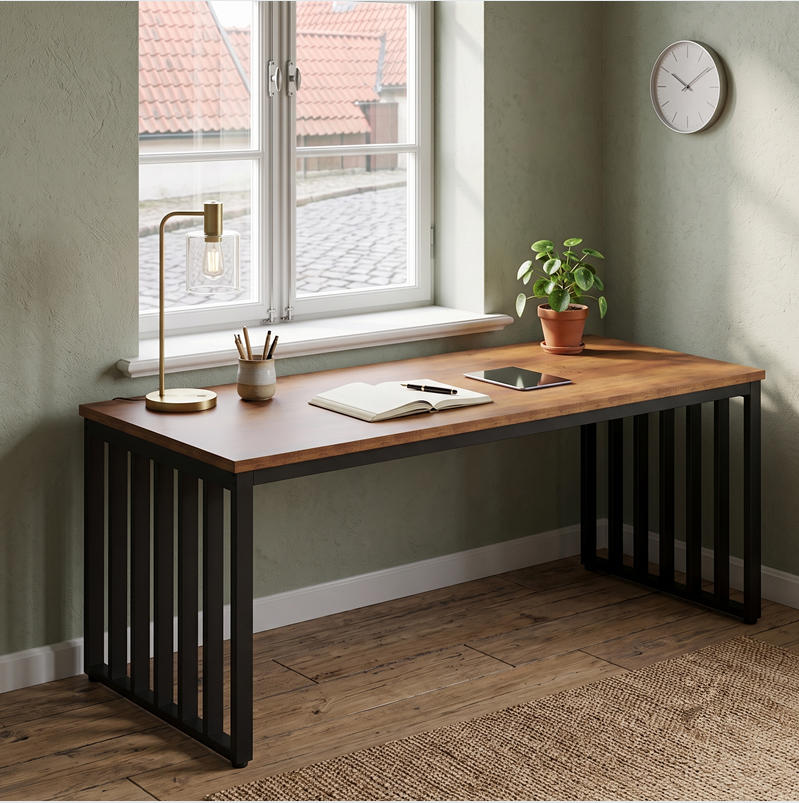
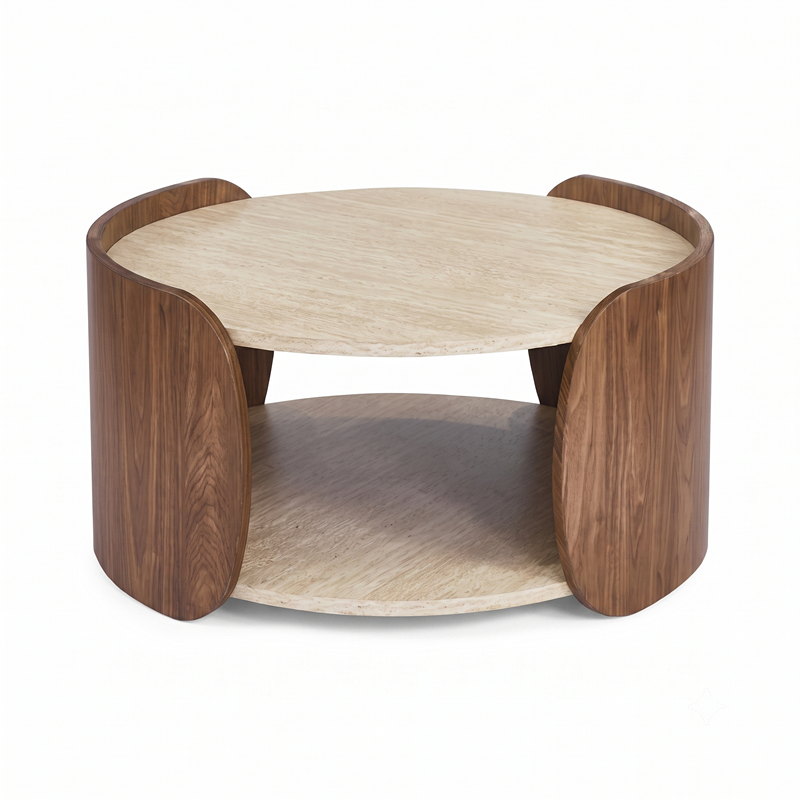
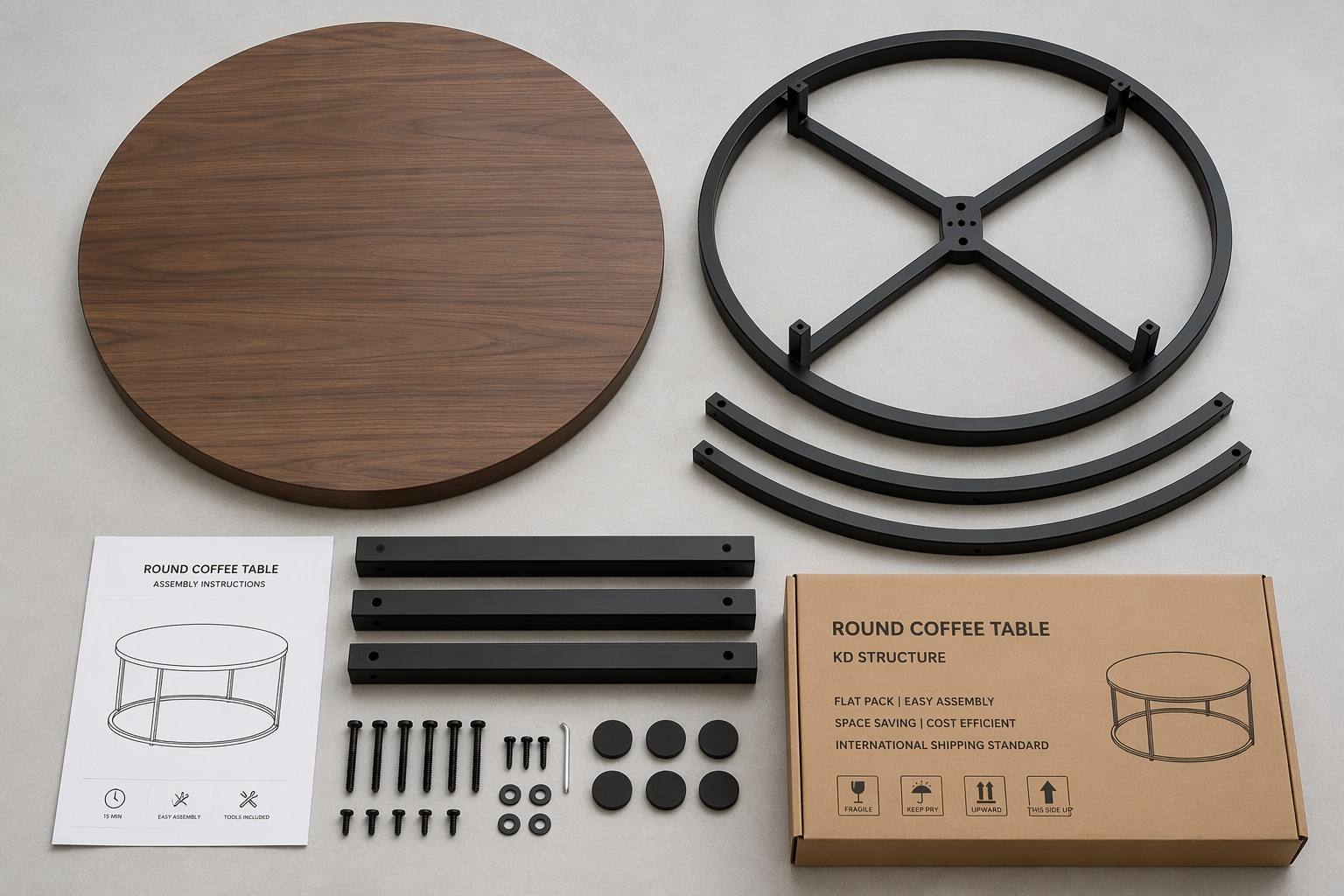
Importing flat-pack items—whether a minimalist rectangular center table or a round coffee table—demands verifiable compliance with regional panel standards
Core Import Standards and Panel Testing Specifications
+-----------------------------------------------------------------------------------+
|        International Engineered Board Compliance Checklist         |
+-----------------------------------------------------------------------------------+
| • EU Formaldehyde Standard : EN 717-1 / EN 13986 (E1 Grade <= 0.124 mg/m³)    |
| • US Formaldehyde Standard : EPA TSCA Title VI / CARB Phase 2 (MDF <= 0.11 ppm)  |
| • Timber Traceability Code : FSC-STD-40-004 / PEFC Chain of Custody        |
| • Structural Integrity Test : EN 12521 (Mechanical Strength & Stability for CTs) |
| • Transit Packaging Standard: ISTA 1A / 3A 10-Point Drop & Vibration Testing   |
+-----------------------------------------------------------------------------------+
Formaldehyde Emission Levels and Surface Finishing Standards
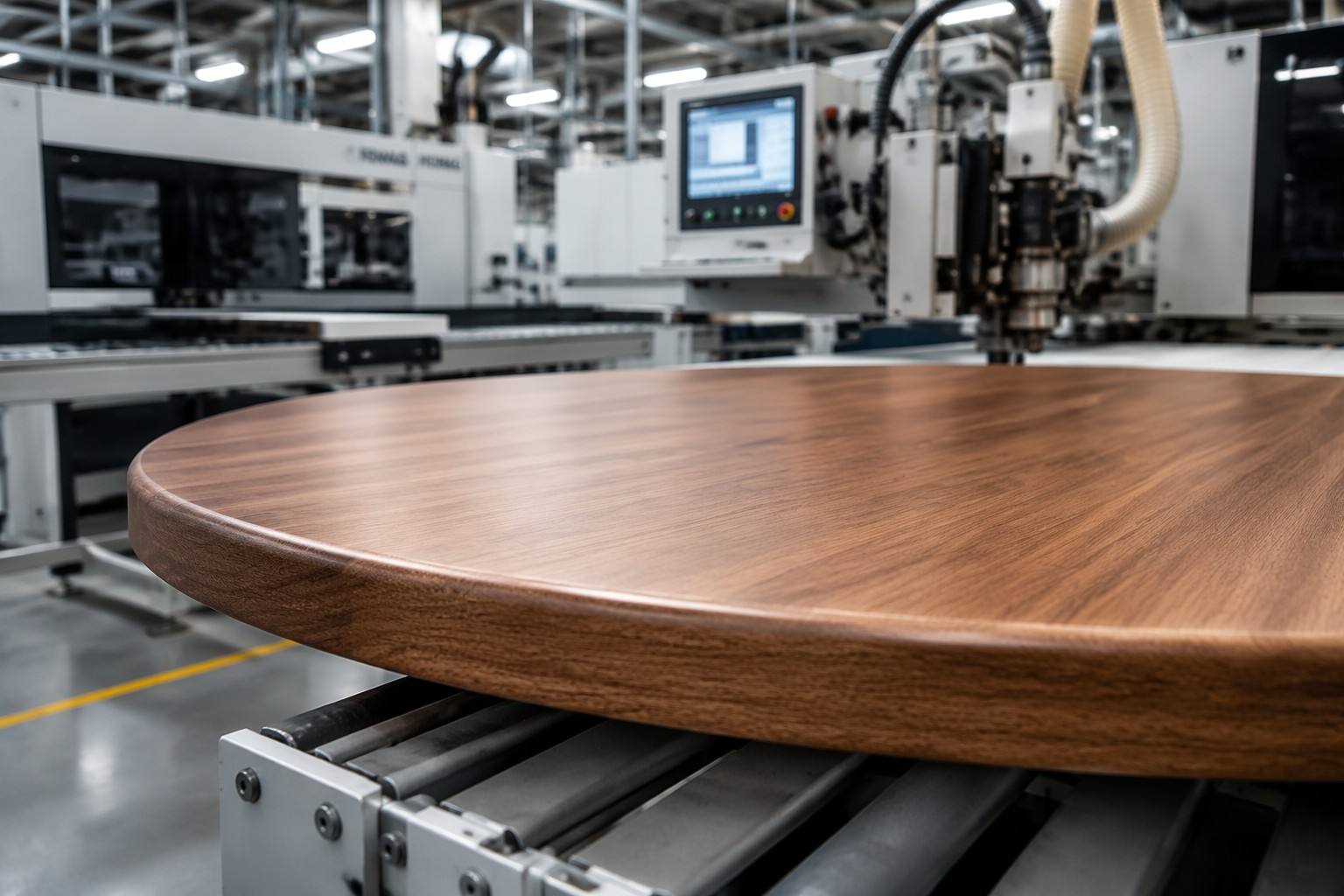
When evaluating factory specifications for a modern coffee table, sourcing high-density MDF or particleboard finished with scratch-resistant melamine facing or PVC edge-banding prevents raw board off-gassing while improving moisture resistance
Timber Traceability and Chain of Custody
Commercial buyers distributing FSC-certified furniture must verify the manufacturer's Chain of Custody (CoC) certificate number on all bill-of-lading documents
Transit Safety and Structural Load Testing
Panel compliance extends beyond material composition to structural and transit packaging resilience
B2B Procurement Strategy and Supplier Audit Guidelines
To mitigate regulatory risks when issuing purchase orders for engineered wood collections, commercial buyers should implement a strict supplier auditing workflow:
Pre-Production Verification: Require third-party laboratory test reports (from SGS, TÜV, or Intertek) issued within the last 12 months for raw MDF cores
. On-Site Trial Assembly: Ensure trial assemblies verify structural load stability, joint tightness, and hardware alignment prior to mass production
. Packaging Drop Verification: Request video documentation of 10-point drop tests conducted on actual export-ready flat-pack master cartons
. Flexible Sourcing Strategy: Partner with suppliers offering flexible MOQs (e.g., 100–200 units per SKU) to run initial compliance test batches before committing to multi-container orders
.
Frequently Asked Questions
Q: What formaldehyde standard is required to import a wood coffee table into North America?
A: Importers must ensure composite wood components comply with EPA TSCA Title VI / CARB Phase 2 standards, which cap MDF emissions at $0.11\ext{ ppm}$ and require certified third-party mill testing
Q: How does a round coffee table design impact ISTA packaging compliance?
A: A round coffee table eliminates vulnerable 90-degree outer corners, reducing edge-crushing risks during ISTA-1A drop testing and lowering parcel shipping damage rates compared to square units
Q: What certifications should I request before buying a round cocktail table line for European retail?
A: Request FSC or PEFC Chain of Custody documentation for wood origin, EN 717-1 E1 testing reports for formaldehyde emissions, and EN 12521 structural safety compliance
Q: Why is PVC edge-banding crucial for modern coffee table bulk compliance?
A: High-quality PVC edge-banding fully seals raw engineered wood borders, preventing environmental moisture absorption and reducing overall VOC off-gassing to meet strict indoor air quality standards
Contact Our Supply Team
If you are evaluating suppliers for compliant living room furniture collections or searching for customizable coffee table SKUs for your retail catalog, we are happy to share samples and technical production specs